
When Is It Time to Replace Your Roof?
Post View Transcript If you’re a homeowner wondering whether your roof is still protecting your home—or quietly failing—you’re not alone. Knowing the early warning signs can save you thousands in repairs. Inspired by insights from roofing experts Jody Peterson and Ryan Peterson of Peterson Roofing, we break down exactly what to look for. If you’re searching for guidance from the best roofer Davenport IA has to offer, you’re in the right place. Understanding the Lifespan of Your Roof Most asphalt shingle roofs are designed to last anywhere from 20 to 50 years, depending on the type and environmental conditions. While modern architectural shingles boast longer warranties, real-world factors like weather exposure, roof pitch, and ventilation can significantly shorten that lifespan. Ryan Peterson explains, “Shingles are made much better these days, but after about 20 years, you’re going to start seeing wear—especially on the sides that get the most sun.” In regions like Iowa, harsh winters, freeze-thaw cycles, hailstorms, and strong winds all accelerate wear and tear. Key Warning Signs Your Roof Needs Replacement 1. Age of the Roof If your roof is over 20–25 years old, it’s likely nearing the end of its useful life—even if it still looks okay from the ground. Jody Peterson puts it simply: “If you know your roof is 20 to 25 years old, that’s a pretty good indicator it might be time.” 2. Granule Loss Shingles are coated with protective granules that reflect sunlight and protect the asphalt underneath. If you notice granules collecting in your gutters or downspouts, it’s a strong indicator your roof is deteriorating. Jody explains, “Toward the end of a roof’s life, those granules start coming off faster—you’ll see them washing out of your downspouts.” 3. Curling or Buckling Shingles Shingles that are curling, warping, or buckling often point to aging or poor attic ventilation. Excess heat can “bake” shingles from below, causing them to deform. Ryan adds, “If your attic is too hot, it bakes the shingles from underneath—that’s what causes that curling and buckling.” 4. Missing Shingles Finding pieces of shingles in your yard is never a good sign. It usually means the adhesive seal has failed, and more damage is likely to follow. Jody warns, “If you’re seeing shingles in your yard, the sealant has failed. That’s a major issue.” 5. Leaks and Water Stains Water stains on ceilings or walls are often the result of roof leaks. By the time you notice interior damage, the problem may already be serious. Jody notes, “If you’re seeing stains inside, you’ve probably waited too long already.” 6. Daylight Through the Roof If you can see sunlight coming through your attic (outside of vents), it likely indicates holes or structural damage that need immediate attention. Ryan explains, “Some light is normal near vents—but if you see light through the roof itself, that’s a problem.” The Impact of Weather on Roof Longevity Extreme weather plays a major role in how long your roof lasts. According to roofing experts, Iowa’s climate is particularly harsh. Freeze-thaw cycles cause materials to expand and contract, weakening shingles. Hailstorms strip away protective granules. High winds can lift or completely remove shingles. Jody highlights, “All that expansion and contraction eventually breaks shingles apart,” while Ryan adds, “It’s a tough climate—you really need to check your roof regularly.” These factors make regular inspections essential for homeowners in the region. Repair or Replace? How to Decide Not all damage means you need a full replacement. Minor issues—like flashing problems around vents or chimneys—can often be repaired easily. However, widespread shingle failure, structural damage, or recurring leaks typically signal it’s time for a full roof replacement. Jody explains, “A small hole in the wrong place can still let in a lot of water—it doesn’t take much to cause serious damage.” A professional inspection can help you determine the right course of action without unnecessary expenses. The Value of a Professional Inspection A trustworthy roofing contractor will provide an honest assessment of your roof’s condition. The best inspections include detailed visual checks, photo documentation, clear explanations of findings, and no-pressure recommendations. Ryan emphasizes their approach: “We’ll tell you honestly if you need a new roof—or if you don’t.” This transparency helps homeowners make informed decisions about repairs or replacements. Key Takeaways Roofs typically last 20–25 years before showing major wear. Granule loss is one of the earliest signs of deterioration. Curling shingles often indicate ventilation problems. Missing shingles suggest your roof is near failure. Weather conditions significantly impact roof lifespan. Regular inspections can prevent costly damage. Protect Your Home with Smart Roof Decisions Your roof is one of the most important parts of your home, and ignoring early warning signs can lead to costly consequences. Whether you’re dealing with aging shingles, storm damage, or just uncertainty, getting expert advice is always the best next step. If you’re looking for trusted guidance, working with the best roofer Davenport IA has to offer ensures you get honest answers and quality workmanship when it matters most. FAQs How often should I have my roof inspected? At least once a year, and after any major storm. Can I replace just a few shingles instead of the whole roof? Yes—if the roof is relatively new and damage is minimal. What’s the most common cause of roof failure? Aging combined with weather exposure, especially in harsh climates. Are “lifetime” shingles really lifetime? Not exactly. While warranties may last decades, visible wear often begins after 20 years. Is a small leak something I can ignore? No. Even minor leaks can lead to major structural damage if left untreated. Mike Downer: Hi, everybody. Welcome to Roots to Renovation. I’m your host, Mike Downer. Today, I am joined by Jody Peterson, founder and CEO of Peterson Roofing, and his very handsome son, Ryan Peterson, who is also the CEO of Peterson Roofing. How are we doing today, guys? Jody Peterson: Doing good. Mike Downer: You’re ready to get me off your computer so you can get out there and
Is It Time to Replace Your Roof? A Practical Guide Every Homeowner Should Read
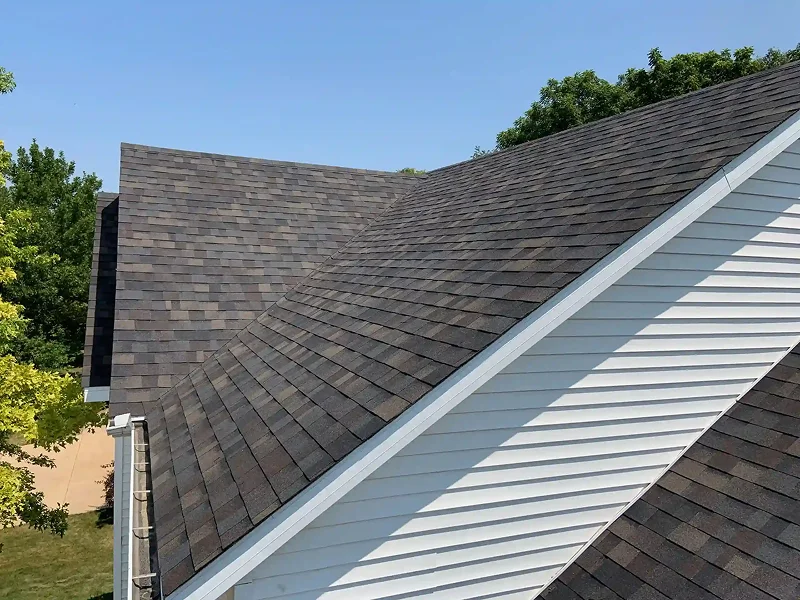
Most homeowners don’t think about their roof until something goes wrong. A stain on the ceiling, a shingle in the yard, or water dripping during a storm—these are often the first warning signs. If you’re searching for roof replacement signs Davenport IA, you’re already taking a proactive step. The reality is simple: your roof rarely fails overnight. It gives you signals—subtle at first, then impossible to ignore. Why Your Roof Matters More Than You Think Your roof quietly handles some of the most important jobs your home relies on every single day. Understanding its role helps you spot problems earlier and make smarter decisions before small issues turn into expensive repairs. Your Roof as a Structural Shield Your roof does far more than keep rain out. It protects your home’s structure, insulation, and indoor air quality. When it starts to fail, the effects ripple through your entire home. The Hidden Impact of Moisture Intrusion Moisture intrusion is the biggest risk. Water doesn’t just stay where it enters—it travels. It seeps into insulation, weakens wood framing, and creates the ideal environment for mold growth. By the time you notice a stain inside, the damage has often been developing for weeks or even months. Even a slow leak can quietly reduce insulation efficiency and increase energy bills. Over time, that hidden damage compounds, turning what could have been a simple repair into a much larger project. Why Early Detection Matters More Than You Think That’s why experienced professionals emphasize early detection. As one roofing expert put it, “If you see stains on your ceiling or walls, you’ve probably waited too long.” That mindset separates reactive homeowners from proactive ones. Catching issues early gives you more control. It allows you to plan, budget, and fix problems before they escalate into costly structural damage. How Long Does a Roof Really Last? There’s a common misconception that a roof lasts as long as its warranty. While many shingles are labeled as “lifetime,” real-world conditions tell a different story. Most asphalt shingle roofs realistically last between 20 and 25 years. After that point, visible wear begins to show. Even premium architectural shingles, which are thicker and more durable, gradually lose their protective qualities. Several factors influence how long your roof will last: Climate and Weather Exposure Regions with frequent storms, hail, and temperature swings put more stress on roofing materials. Freeze-thaw cycles cause expansion and contraction, which slowly weakens shingles. Ventilation and Heat Poor attic ventilation traps heat. Over time, that heat radiates upward and “cooks” the shingles from underneath. This accelerates aging and leads to curling or warping. Roof Design and Pitch Flatter roofs tend to hold water longer, increasing wear. Steeper roofs shed water more efficiently, which can extend lifespan. Sun Exposure South- and west-facing slopes often wear out faster due to prolonged UV exposure. Understanding these factors helps homeowners set realistic expectations and avoid being caught off guard. The Most Common Warning Signs Your Roof Is Failing Your roof rarely fails without warning. The key is recognizing the signals early and acting before minor issues turn into major repairs. Granule Loss: The Quiet Red Flag Granules serve as your roof’s protective shield. They reflect sunlight and protect the asphalt layer beneath. Over time, these granules begin to loosen and wash away. It’s normal to see a small amount of granules in your gutters. However, when accumulation becomes noticeable, it often means your roof is nearing the end of its life. Hail damage can accelerate this process. As one expert explained, hail can strip granules away quickly, exposing the underlying material and causing rapid deterioration. Once that protective layer is gone, the roof becomes vulnerable to sun damage and moisture. Curling or Buckling Shingles Curling shingles are a clear sign something is wrong beneath the surface. While age plays a role, ventilation is often the real culprit. When heat builds up in the attic, it pushes upward into the roofing system. This causes shingles to deform, curl at the edges, or buckle in place. Over time, this weakens their ability to protect against water intrusion. Modern shingles are more durable than older ones, but even the best materials can fail if ventilation is inadequate. Missing or Broken Shingles If you find shingles in your yard, your roof is sending a strong signal. This typically means the adhesive seal that holds shingles in place has failed. As shingles age, they lose flexibility. Instead of bending with the wind, they crack and break. Once one section fails, surrounding areas are more likely to follow. As one roofing professional pointed out, if you see a couple of shingles missing, it’s not just a one-off issue. It’s often the beginning of a larger problem. Interior Leaks and Water Stains Water stains are one of the most obvious signs of roof trouble. Unfortunately, they also indicate that damage has already progressed. Leaks can start small—often around flashing or roof penetrations like chimneys and vents. These areas are common weak points. A minor issue here can allow water to seep in slowly over time. Even a small hole in the wrong location can allow significant water intrusion. What starts as a simple repair can quickly escalate into damaged drywall, insulation, and framing. Simple Checks Homeowners Can Do You don’t need to climb onto your roof to spot potential issues. In fact, staying on the ground is the safest approach. Check Your Gutters After a heavy rain, take a look at your gutters and downspouts. If you notice a buildup of granules, it’s a sign your shingles are wearing down. Scan Your Roof From the Ground Use binoculars if necessary. Look for uneven lines, dark patches, or missing shingles. These visual cues often indicate underlying issues. The “Daylight Test” Head into your attic during daylight hours. If you see light coming through areas where it shouldn’t, it could indicate gaps or holes in the roof. However, not all light is a problem. As one expert explained, certain areas like vents