Premature roof failure usually starts with poor installation, inadequate ventilation, weak moisture protection, or small problems that are not repaired in time. Homeowners researching roofing quad cities services should look beyond shingle warranties and consider the entire roofing system. Fasteners, underlayment, flashing, drainage, insulation, ventilation, and workmanship must all function correctly for a roof to reach its expected service life.
A roof may look normal from the ground while heat, moisture, or fastening problems develop underneath it. Preventing early failure begins with proper installation and continues with routine inspections and timely repairs.
What Is Premature Roof Failure?
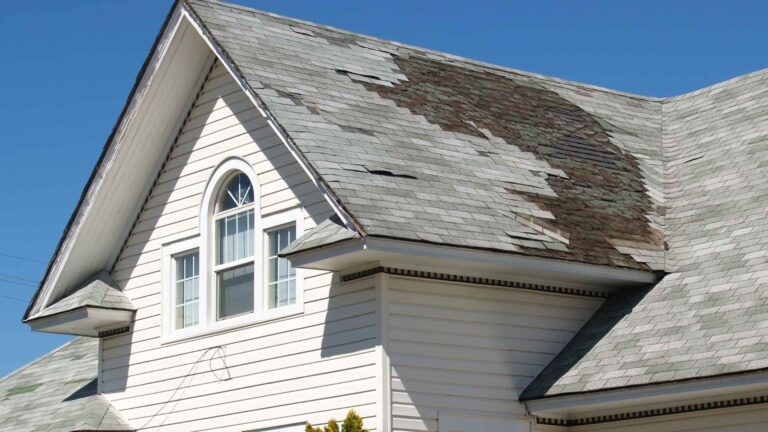
Premature roof failure occurs when a roof loses its ability to protect a home well before the end of its expected service life. Common signs include recurring leaks, missing shingles, severe granule loss, damaged flashing, soft decking, loose fasteners, and moisture inside the attic.
Age alone does not determine whether a roof is failing. A relatively new roof may develop serious problems because it was installed incorrectly. An older roof may remain watertight because it was built properly and maintained.
Peterson Roofing identifies installation, ventilation, material defects, and neglected maintenance as the main causes of roofs failing earlier than expected.
Why Is Installation Quality So Important?
Installation quality has a major effect on roof life because every roofing component depends on correct placement and fastening. High-quality shingles cannot overcome uneven courses, misplaced nails, weak flashing, or poor ventilation.
The International Residential Code’s roof assembly requirements state that roof coverings must follow applicable building requirements and manufacturer instructions. These standards address underlayment, decking, slope, fastening, and weather resistance.
Ryan Peterson of Peterson Roofing describes inspecting a relatively young roof that used reputable shingles but still experienced blow-offs and granule loss. The shingle courses had been stretched, the nails were misplaced, and two exhaust vent systems had been installed together.
As Jody Peterson of Peterson Roofing explains, “It always comes down to how well it is installed.”
A qualified contractor should inspect the deck, maintain consistent shingle exposure, protect valleys, install flashing correctly, and follow the product’s fastening requirements.
How Can Incorrect Nail Placement Damage a Roof?
Incorrect nail placement can reduce wind resistance and prevent shingles from remaining securely attached. The location, number, angle, and depth of each fastener matter.
Nails installed outside the designated fastening area may miss the strongest part of the shingle. Overdriven nails can cut into the material. Raised or crooked nails may prevent shingles from lying flat and sealing properly.
Peterson Roofing explains that the shingles it installs may carry wind ratings of up to 130 miles per hour when installed correctly. Poor fastening can allow those same shingles to fail in much weaker winds.
These ratings depend on the exact product, roof design, fastening pattern, and installation method. The important point is that manufacturer performance ratings assume proper installation.
How Does Attic Ventilation Help a Roof Last Longer?
Balanced attic ventilation helps manage heat in summer and moisture in winter. It allows outside air to enter near the eaves and exit near the upper portion of the roof.
During warm weather, trapped attic heat can place additional stress on shingles and the roof deck. During cold weather, warm indoor air may rise into the attic and condense on cold surfaces. Repeated moisture buildup can contribute to mold, wood deterioration, and weakened fastener holding.
The U.S. Department of Energy explains that properly installed attic baffles maintain an airflow path between soffit vents and upper exhaust vents while keeping insulation from blocking ventilation.
Jody Peterson notes that attic temperatures may reach about 140 degrees when hot air cannot escape. He also explains that condensation may soften decking and make it easier for roofing nails to loosen.
Ventilation should work with air sealing and insulation. None of these measures should be treated as a substitute for the others.
Why Can Mixing Roof Vent Types Cause Problems?
Mixing incompatible exhaust vents can disrupt airflow because one vent may draw air through another instead of pulling fresh air from the soffits.
For example, ridge vents and box vents installed close together may circulate air near the roof peak while leaving lower attic areas hot or damp. More vents do not automatically create better ventilation.
A proper system should be designed around the attic’s size, roof shape, available intake, and required exhaust capacity. The goal is to move air through the attic, not simply add the highest possible number of vents.
What Does Roof Underlayment Do?
Roof underlayment is the protective layer installed between the roof deck and the shingles. It provides secondary protection if wind-driven rain gets beneath the roof covering or shingles are damaged during a storm.
Traditional asphalt-saturated felt has been used for many years. Synthetic underlayment is generally lighter and more resistant to tearing. It may also remain secured more effectively when installed with suitable cap fasteners.
Ryan Peterson describes synthetic underlayment as easier to handle and harder to tear than traditional felt. However, the right material still depends on the roof covering, slope, deck, expected exposure, local requirements, and manufacturer instructions.
Underlayment adds protection, but it cannot correct poorly installed shingles or damaged flashing.
Where Is Ice and Water Protection Most Important?
Self-adhering ice and water protection is most important in roof areas where water may collect, slow down, or move beneath the shingles.
These areas commonly include:
- Eaves
- Valleys
- Low-slope roof sections
- Roof-to-wall transitions
- Areas around penetrations
- Locations vulnerable to ice dams
The U.S. Department of Energy’s cold-climate eave guidance explains that a self-sealing membrane can help prevent backed-up water from entering near roof edges.
The podcast describes a low-slope section that leaked because a crew continued working after running out of ice and water shield. The entire section later had to be repaired.
A responsible contractor should stop the installation and obtain the correct material rather than cover a preventable weakness.
How Do Ice Dams Damage a Roof?
Ice dams form when heat escaping from a home melts snow on the roof. The water moves toward the colder overhang, freezes again, and creates a ridge of ice. Additional meltwater may then back up beneath the shingles.
Common causes include:
- Inadequate insulation
- Air leaks around attic access doors
- Unsealed ceiling penetrations
- Bathroom exhaust ducts releasing air into the attic
- Blocked or poorly designed ventilation
Ice and water membrane offers backup protection, but it does not address the source of the heat loss. Air sealing, insulation, and ventilation must work together to keep the roof deck colder and reduce uneven snowmelt.
What Maintenance Helps Prevent Expensive Roof Damage?
Routine maintenance helps identify drainage, flashing, sealant, wildlife, and shingle problems before they cause structural or interior damage.
Gutters and downspouts should remain clear so water can leave the roof efficiently. Blocked gutters may allow water to affect roof edges, fascia, soffits, and exterior walls. In winter, poor drainage can also contribute to ice buildup.
Homeowners should watch for:
- Missing or lifted shingles
- Damaged flashing
- Cracked sealant
- Excessive granules in gutters
- Water stains in the attic
- Loose vent covers
- Animal activity
- Damage after strong winds
Ryan Peterson warns that raccoons may lift roofing materials or remove vents to enter an attic. The opening may remain unnoticed until rain reaches the interior.
Homeowners should not walk on steep, wet, icy, or damaged roofs. A professional inspection is safer and more thorough.
Are All Lifetime Shingles Equally Durable?
Lifetime shingles are not all equal because products vary in construction, testing, fastening requirements, warranties, and local performance.
The word “lifetime” should not be treated as a guaranteed number of years. Coverage may change over time and may depend on who owns the home, how the shingles were installed, and whether the roofing system met ventilation requirements.
Homeowners should evaluate:
- Manufacturer history
- Wind and impact classifications
- Required fastening patterns
- Roof slope limitations
- Warranty exclusions
- Ventilation requirements
- Local product performance
- Contractor experience with the material
Peterson Roofing recommends selecting proven products rather than relying only on marketing claims. A roof should be judged as a complete system, not by the longest warranty phrase on the package.
What Should You Ask Before Hiring a Roofing Contractor?
Ask questions that reveal how the contractor handles the parts of the roof that will become hidden after installation.
Important questions include:
- How will you inspect the roof deck?
- How will you evaluate attic ventilation?
- What type of underlayment will you use?
- Where will ice and water protection be installed?
- How will shingles be fastened?
- How will valleys and penetrations be protected?
- Will old flashing or skylights be reused?
- Who supervises the installation crew?
- What does the workmanship warranty cover?
- How will damaged decking be handled?
Peterson Roofing brings 45 years of local roofing experience to these decisions. Its installation process emphasizes accurate layout, proper valley protection, correct nail placement, and suitable moisture barriers.
Homeowners should compare installation methods and warranty terms, not only the final price.
What Is the Best Way to Prevent Premature Roof Failure?
The best way to prevent premature roof failure is to treat the roof as a complete system from the beginning. Use appropriate materials, install them correctly, manage attic heat and moisture, provide dependable drainage, and repair damage before water reaches the structure.
A well-built roof may even remain functional beyond its original rating. Ryan Peterson describes a three-tab shingle roof with an approximate 25-year rating that remained leak-free for around 30 years. He credits proper installation, suitable ventilation, reliable materials, and periodic inspections.
No contractor can guarantee that every roof will exceed its expected service life. However, careful workmanship gives each component the best chance to perform as intended.
Watch the Full Roofs for Renovation Episode
Watch the full Roofs for Renovation episode to hear Jody Peterson and Ryan Peterson explain how installation, nail placement, ventilation, underlayment, ice dams, and maintenance influence roof performance. For homeowners comparing roofing quad cities options, the conversation shows why proven workmanship and local experience matter just as much as the shingles installed on the home.
Frequently Asked Questions
How long should an asphalt shingle roof last?
An asphalt shingle roof may last for several decades, but its actual service life depends on the product, installation, ventilation, climate, roof slope, maintenance, and storm exposure. A warranty period is not a guaranteed replacement date.
What is the most common cause of premature roof failure?
Installation errors are among the most common causes. Incorrect nails, uneven shingle exposure, weak flashing, unsuitable underlayment, and inadequate ventilation can shorten the life of otherwise dependable materials.
Can poor attic ventilation damage a roof?
Yes. Poor ventilation can allow heat and moisture to collect beneath the roof deck. This may contribute to condensation, wood deterioration, mold, and faster roof aging.
Does incorrect nail placement affect a roof warranty?
It can. Manufacturers require shingles to be installed according to written fastening instructions. Incorrect nail location, depth, angle, or quantity may contribute to failure and affect warranty coverage.
Is synthetic underlayment better than felt?
Synthetic underlayment is generally lighter and more tear-resistant than traditional felt. The best choice still depends on the roof product, slope, deck, climate, code requirements, and manufacturer instructions.
How often should a roof be inspected?
A roof should be checked after severe storms and whenever warning signs appear. Older roofs may also benefit from periodic professional inspections, especially when shingles, flashing, or attic moisture show signs of deterioration.
Can clogged gutters cause roof leaks?
Yes. Clogged gutters can prevent water from draining away from the roof edge. Water may affect shingles, fascia, soffits, walls, or nearby decking. Poor drainage may also contribute to winter ice buildup.
What are the first signs of premature roof failure?
Early signs include missing shingles, lifted edges, repeated leaks, heavy granule loss, damaged flashing, uneven shingle courses, attic condensation, soft decking, and water stains on walls or ceilings.