Premature roof aging leads to leaks, structural risks, and unexpected replacement costs. Early detection of subtle surface changes saves money and time. This guide helps homeowners spot hidden warning signs, understand their causes, and outlines next steps for inspection, repair, or replacement, with region-specific advice for roofing Rock Island.
What Are the Most Common Signs of Roof Aging and Deterioration?
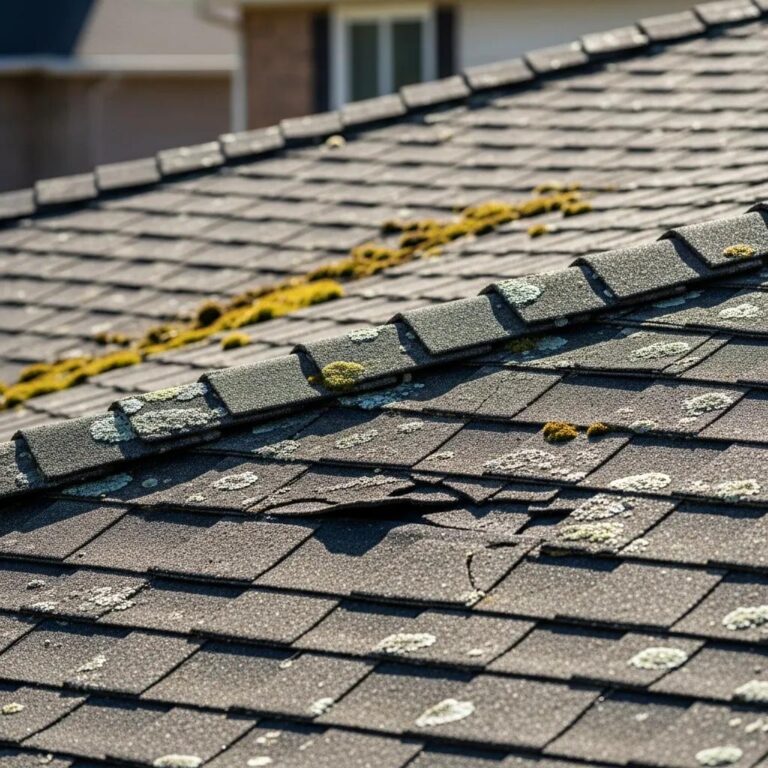
- Curling, cracked, or missing shingles: surface deformation exposing underlayment and allowing water intrusion.
- Granule loss and bald spots: reduced UV protection and accelerated shingle wear.
- Water stains, leaks, or mold inside: indications of exterior material failure.
- Sagging roofline or soft spots in the attic: possible structural compromise.
- Moss, algae, or mold growth: biological agents retaining moisture and lifting shingles.
How Can Water Stains and Leaks Reveal Hidden Roof Damage?
Interior water stains, active drips, and attic dampness strongly indicate failed exterior roofing components. These often originate at roof penetrations or failed flashing. Homeowners should contain drips, document stains, and check the attic for damp insulation or sheathing. Interior leak indicators include discolored ceiling patches, wet insulation, and musty odors. Damaged flashing from corrosion or sealant breakdown is a common cause, requiring professional replacement or resealing.
Why Is a Sagging Roofline a Critical Indicator of Structural Issues?
A sagging roofline indicates compromised roofing materials or underlying structure, posing an urgent risk of interior damage or collapse. It results from moisture-induced decking rot, compromised truss/rafter joints, or prolonged leaks. Early detection involves measuring the roof plane, observing attic soft spots, and checking for ceiling drywall nail pops. Ignoring a sagging roof increases risks of progressive structural failure and higher repair costs. A prioritized assessment is crucial.
How Do Moss, Algae, and Mold Growth Affect Roof Longevity?
Moss, algae, and mold retain moisture, lift shingles, and accelerate material breakdown, shortening roof life and increasing leak risk. Visual signs include green moss mats, black-green algae streaks, and speckled mold discoloration, often in shaded or damp areas. These growths accelerate aging by promoting freeze-thaw damage and allowing water infiltration. Effective management involves safe removal, regrowth-inhibiting treatments, and corrective measures like trimming trees and improving drainage.
When Should Homeowners Consider Roof Replacement Instead of Repair?
- Age meets or exceeds expected lifespan.
- Recurring leaks in multiple locations.
- Widespread granule loss or curling.
- Decking rot or structural compromise.
How Does Local Weather Impact Roof Aging and Damage?
Rock Island’s regional climate (freeze-thaw, severe storms, hail, wind, heavy rains) accelerates roof aging. Homeowners must address hailstorms, wind events, and spring freeze-thaw cycles. Peterson Roofing uses local experience to assess storm damage and recommend season-appropriate measures for roofing Rock Island, emphasizing clear diagnostics and practical maintenance plans.
Ready to Safeguard Your Home? Schedule Your Free Roof Inspection Today!
Recognizing the signs of roof aging is crucial for maintaining the integrity of your home and avoiding costly repairs. By understanding the indicators of deterioration, such as curling shingles and water stains, homeowners can take proactive steps to extend their roof‘s lifespan. Engaging with local experts like Peterson Roofing ensures tailored solutions that address specific regional challenges. Don’t wait for leaks to appear; schedule a roof inspection today to safeguard your investment.
Protect Your Investment – Get a Free Estimate!
Don’t let hidden damage turn into costly repairs. Contact Peterson Roofing at 563-386-8613 or bestroof@petersonroofing.com for a comprehensive, no-obligation roof assessment.