Choosing the right contractor for your roof isn’t just another home improvement decision—it’s one that can impact your home’s safety, value, and long-term costs. Many homeowners searching for a roofing company Quad Cities quickly realize how difficult it is to separate trustworthy professionals from those simply chasing the next job. The truth is, trust in this industry isn’t built through flashy ads—it’s earned through consistency, honesty, and experience.
Why Choosing the Right Roofing Contractor Matters More Than Price
It’s easy to start with price. Most homeowners request multiple estimates and line them up side by side, looking for the best deal. But roofing isn’t a product you can compare like appliances or furniture. It’s a system that protects your home from weather, temperature changes, and moisture year-round.
When that system fails, the consequences extend far beyond the roof itself. Water can seep into insulation and drywall, creating hidden damage that worsens over time. By the time a stain appears on the ceiling, the problem has often been developing for months.
Ventilation is another area where shortcuts can cause long-term issues. Without proper airflow, heat and humidity build up in the attic. This can prematurely age shingles, warp wood structures, and increase energy costs. These problems don’t always show up immediately, which is why a low upfront price can become expensive later.
Experienced contractors understand that every roof will eventually face challenges. What separates a dependable company from the rest is how those challenges are handled. The goal isn’t perfection—it’s reliability over time.
The #1 Trait of a Contractor You Can Trust: Accountability
Trust begins with accountability. It’s not about making bold claims; it’s about following through.
What Accountability Looks Like in Roofing
Before any work begins, accountability shows up in how a contractor communicates. A trustworthy professional will walk you through the entire process, explaining materials, timelines, and potential risks. They don’t rush through details or avoid questions. Instead, they make sure you feel informed and confident.
During the project, accountability becomes visible in consistency. The crew arrives when they say they will. The work progresses as outlined. If something unexpected happens, it’s communicated clearly and addressed promptly.
After the job is complete, accountability matters even more. This is where many companies fall short. A reliable contractor remains available. They return calls, inspect concerns, and stand behind their work without hesitation.
Homeowners often remember how issues are handled after installation more than the installation itself. That experience defines whether trust is built or broken.
Local Roots Matter More Than You Think
Roofing is deeply influenced by local conditions. Weather patterns, seasonal changes, and building practices all play a role in how a roof performs.
Why Local Experience Builds Trust
Contractors who have worked in the same area for decades bring valuable insight. They understand how different materials respond to local climate conditions. They know which installation methods hold up best against wind, rain, and temperature shifts.
This knowledge allows them to design solutions that last longer and perform better. Instead of reacting to problems, they prevent them.
Local contractors also operate within the community they serve. Their reputation isn’t limited to online reviews—it’s built through word-of-mouth, repeat customers, and long-term relationships. In smaller markets, this reputation carries real weight.
When a company has been part of a community for years, there’s a level of accountability that goes beyond the job itself. They’re not just completing projects; they’re maintaining trust with neighbors, friends, and local homeowners.
The Danger of “Too Easy” Estimates
Advancements in technology have made it easier to generate roofing estimates quickly. While this can be convenient, it can also create a false sense of accuracy.
Why In-Person Inspections Still Matter
A roof is more than its dimensions. It includes multiple layers and components that work together. Flashing, ventilation, insulation, and structural integrity all play a role in performance.
Satellite-based estimates often miss these details. They can’t identify hidden damage, improper installation, or underlying issues within the attic.
An in-person inspection provides a complete picture. It allows contractors to assess the roof from multiple angles and identify problems that aren’t visible from above. It also gives homeowners the opportunity to share concerns and ask questions.
Listening is a critical part of the process. Homeowners often notice small signs—minor leaks, drafts, or unusual sounds—that point to larger issues. These insights help contractors make more accurate recommendations.
Technology can enhance efficiency, but it should never replace hands-on expertise. The best contractors combine both.
Honest Contractors Don’t Always Recommend Replacement
One of the strongest indicators of trust is a contractor’s willingness to recommend what’s best for the homeowner—even when it’s not the most profitable option.
Repair vs. Replacement: What You Should Know
Roof replacement is a significant investment. While it’s necessary in some cases, many roofs can be maintained through targeted repairs.
An experienced contractor evaluates several factors before making a recommendation. These include the age of the roof, the condition of the materials, and the quality of the original installation. They also consider how long the homeowner plans to stay in the home.
When repairs are a viable option, a trustworthy contractor will say so. This approach may reduce immediate revenue, but it builds credibility and long-term relationships.
Homeowners remember when a contractor saves them money without compromising quality. That kind of honesty leads to referrals and repeat business over time.
Small Actions Reveal Big Integrity
Trust is built through consistency. It’s shaped by how a contractor handles everyday situations, not just major projects.
What to Look For
Pay attention to the small details. Does the contractor take time to explain minor issues? Do they answer questions without rushing? Are they willing to address simple concerns without turning them into larger sales opportunities?
These moments provide insight into how a company operates. Contractors who prioritize relationships will often go beyond what’s required. They focus on delivering value, not just completing a job.
Returning to fix a minor issue years later may not seem significant, but it reflects a deeper commitment. It shows that the relationship doesn’t end when the project is finished.
Over time, these actions build a reputation that speaks louder than any marketing message.
Values Still Matter in a Modern Industry
The roofing industry has changed significantly. Digital tools have improved efficiency, and new materials have enhanced durability. Despite these advancements, the core values of the industry remain the same.
The Role of Principles in Long-Term Success
Successful contractors operate with a clear set of principles. They prioritize honesty, respect, and accountability in every interaction.
These values influence how they communicate, how they solve problems, and how they treat customers. They also guide decisions when challenges arise.
In a competitive market, values become a differentiator. While some companies focus on volume or speed, others focus on quality and relationships.
This approach creates long-term success. It benefits homeowners by delivering reliable results, and it supports the stability of the business itself.
What Homeowners Actually Need (And Often Don’t Get)
Many homeowners begin the roofing process with limited information. They know they have a problem, but they aren’t always sure what solution is best. This uncertainty can lead to rushed decisions, especially when facing leaks or storm damage that feels urgent.
What they truly need is guidance—someone who can break down the situation, explain options clearly, and help them prioritize what matters now versus what can wait without risking further damage.
Key Needs Every Contractor Should Address
- Accurate diagnosis: Identifying the root cause of an issue is essential. Without this, even high-quality materials won’t solve the problem.
- Clear communication: Homeowners should understand their options. This requires explanations that are straightforward and easy to follow.
- Fair pricing: Value is about more than cost. It’s about receiving work that lasts and performs as expected.
- Follow-through: The relationship shouldn’t end when the job is completed. Ongoing support provides peace of mind.
When these needs are met, homeowners feel confident in their decision. When they’re not, even a technically sound installation can lead to frustration.
7 Questions to Ask Before Hiring a Roofing Contractor
Choosing the right contractor starts with asking the right questions. These questions help you understand how a company operates.
- How long have you been operating in this area?
- Do you perform in-person inspections?
- What happens if there’s an issue after installation?
- Can you provide local references?
- Do you recommend repair or replacement—and why?
- Who will be performing the work?
- How do you handle unexpected problems during the project?
The answers to these questions provide insight into a contractor’s approach. They reveal whether the focus is on quick sales or long-term relationships.
Final Thoughts: Trust Is Built Over Time
Finding the right roofing contractor takes time. It requires research, conversations, and careful consideration.
The best contractors don’t just complete projects—they build relationships. They communicate clearly, follow through on commitments, and remain available long after the work is done.
When you find a company that operates this way, you gain more than a service provider. You gain a partner who helps protect your home for years to come.
That’s how you find a roofing company Quad Cities homeowners continue to rely on year after year.
Watch the Full Podcast Episode
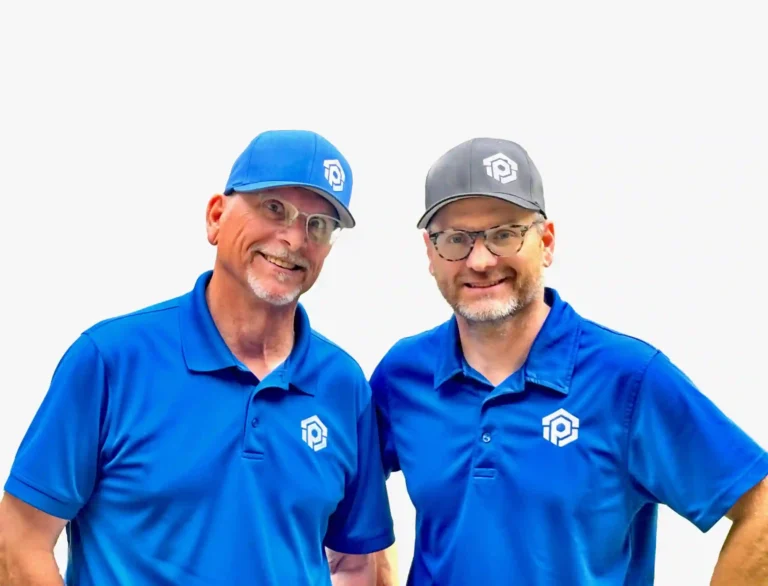
If you want a deeper look into what real trust in roofing looks like—from honest repair recommendations to decades of hands-on experience—watch the full Roots to Renovation podcast episode on YouTube. You’ll hear firsthand stories, practical insights, and the mindset that has helped a local team build lasting relationships in their community. It’s a valuable resource for any homeowner preparing to make an important roofing decision.
FAQs
How do I know if a roofing contractor is trustworthy?
Look for local experience, consistent reviews, and transparent communication. A trustworthy contractor answers questions clearly and doesn’t pressure you into unnecessary work.
Should I repair or replace my roof?
This depends on the roof’s age and condition. A professional inspection can determine whether repairs will extend its life or if replacement is needed.
Are online roofing estimates accurate?
They can provide a rough estimate, but they often miss important details. An in-person inspection is the most reliable option.
How long should a roof last?
Most asphalt shingle roofs last 20 to 30 years. Longevity depends on installation quality, materials, and maintenance.
What should be included in a roofing estimate?
A thorough estimate includes materials, labor, timeline, warranty information, and potential additional costs.
Why is ventilation important for my roof?
Proper ventilation regulates temperature and moisture in the attic, helping extend the life of the roof and improve energy efficiency.
What happens if my roof leaks after installation?
A reputable contractor will respond quickly and address the issue under their workmanship warranty.
How soon should I fix minor roof damage?
Minor issues should be addressed quickly. Delays can lead to more serious and costly damage.