When a storm rolls through Davenport or the Quad Cities, most homeowners know to check the yard, the gutters, and maybe the ceiling for leaks. What many do not know is what to do next. The roof insurance quad cities process can feel confusing, especially after hail or wind damage. This guide explains how to move from inspection to repair with less stress, fewer mistakes, and a clearer understanding of your role, your roofer’s role, and your insurance company’s role.
Start With the Right Question: Is There Actual Storm Damage?
The first step after a hailstorm or severe wind event is not always filing an insurance claim. The smarter first step is figuring out whether your roof actually has damage that supports a claim.
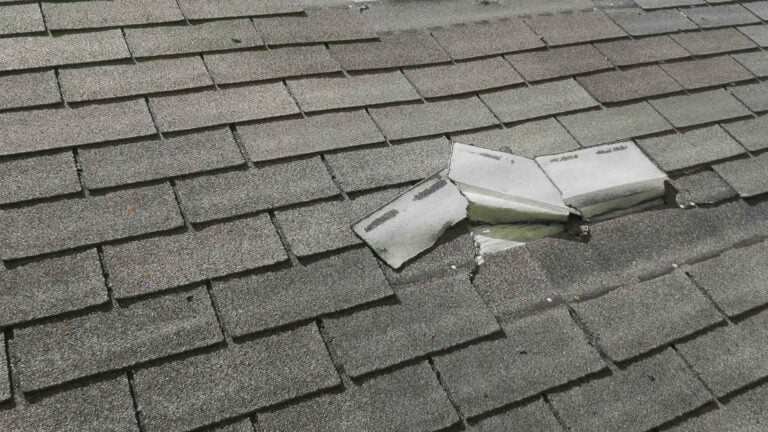
That distinction matters. A loud storm does not always mean the roof needs to be replaced. On the other hand, damage is not always obvious from the ground. Hail can bruise shingles, knock granules loose, dent soft metals, damage vents, or affect siding and gutters. Wind can lift shingles without tearing them completely off, leaving your roof vulnerable to water later.
In the podcast, Jody Peterson explained that homeowners often call after hearing hail. His advice was simple: the first job is to inspect and document. If there is damage, Peterson Roofing notes it, takes pictures, and helps the homeowner understand the next step. If there is not damage, they tell the homeowner not to worry about it.
That kind of answer is what homeowners should want. A trustworthy roofing contractor is not looking for a claim where one does not belong. They are looking for the truth about the roof.
Why a Local Roof Inspection Should Come Before the Claim
A local inspection gives you a more grounded starting point. A roofing professional who works in Davenport, Bettendorf, Moline, Rock Island, East Moline, and the surrounding Quad Cities understands local storm patterns, common roofing systems, and how insurance-related repairs usually unfold in the area.
A good inspection should include photos, notes, and an honest explanation of what was found. The contractor should be able to explain whether the damage appears storm-related, whether other parts of the property were affected, and whether filing a claim makes sense.
Jody warned listeners about the people who may show up within hours of a large storm. His point was not that every door-knocker is dishonest. It was that homeowners should be careful about signing with someone they did not contact and do not know. A roof claim can take time, and the company you choose needs to be around after the first conversation.
The Homeowner Must File the Insurance Claim
Once damage is confirmed, the homeowner should contact the insurance company. The claim can usually be filed by phone, through an online portal, by email, or through the insurer’s app.
Before filing, gather a few details. Write down the date of the storm, the type of damage noticed, and any areas of concern inside or outside the home. If a contractor inspected the roof, keep the photos and notes available. Your policy number and contact information should also be ready.
This is also where homeowners should understand a key boundary. A roofing contractor can inspect the roof, document damage, review construction details, and communicate about the scope of repairs. But the contractor should not file the claim for you or act like your legal representative.
That boundary protects the homeowner. You own the policy. You control the claim. A reputable contractor supports the process without taking control away from you.
What Happens During the Adjuster Inspection?
After the claim is filed, the insurance company will assign someone to inspect the property. That may be a company adjuster, an independent adjuster, or a third-party inspector who gathers photos and sends them to another adjuster.
The inspection may include the roof, gutters, siding, vents, flashing, soft metals, and interior areas if there are leaks. Some inspectors climb the roof. Others may use drones or photo documentation. Either way, the purpose is to determine whether covered damage exists and what needs to be repaired or replaced under the policy.
Ryan Peterson of Peterson Roofing described a situation where a third-party inspector arrived with a drone. The inspector’s job was not to decide every coverage detail on-site. He was gathering documentation for the adjuster who would review the claim. That kind of process can surprise homeowners, but it is becoming more common.
A roofing contractor can often be present during the inspection. Their role is to point out visible damage, discuss construction details, and help make sure nothing obvious is missed. However, they cannot interpret your policy like a public adjuster or attorney. That difference is important.
Review the Insurance Scope Before Work Begins
If the claim is approved, the insurance company will usually provide an estimate or scope of work. This document lists the items the insurer believes are necessary to restore the property.
Homeowners should not ignore this paperwork. It can include roofing materials, labor, underlayment, vents, flashing, drip edge, gutters, siding, interior repairs, code-related items, deductible amounts, depreciation, and payment details.
This is where an experienced roofer can be especially helpful. Roofing estimates are full of line items that most homeowners do not read every day. A contractor can compare the insurance scope with the actual work required and identify anything that may have been missed from a construction standpoint.
The goal is not to inflate the claim. The goal is accuracy. If storm damage affected multiple parts of the roofing system, the scope should reflect the real repair needed to restore the home properly.
Understanding Replacement Cost, Actual Cash Value, and Depreciation
Insurance paperwork often becomes confusing because homeowners see several numbers at once. Replacement cost, actual cash value, depreciation, deductible, and net claim payments can all appear on the same estimate.
Replacement cost value generally refers to the cost to repair or replace damaged property with materials of similar kind and quality, subject to the policy. If your policy includes recoverable depreciation, the insurance company may pay part of the claim first and release the remaining depreciation after the work is completed and invoiced.
Actual cash value is different. It accounts for age, wear, and depreciation. Ryan noted in the podcast that some older roofs may be covered on an ACV basis, especially when they reach a certain age. In those cases, the homeowner may not receive the full cost of replacement.
Depreciation is often the part that causes panic. A homeowner may see a large depreciation number and assume they owe it out of pocket. That is not always the case. On many replacement cost policies, recoverable depreciation is held back until completion. Once the contractor finishes the work and submits the final invoice, the insurer may release that amount according to the policy terms.
The safest move is to ask clear questions before signing a contract. Know whether your policy is replacement cost or actual cash value. Know your deductible. Know whether depreciation is recoverable. A contractor can help explain the construction side, but your insurance company is the source for policy-specific answers.
Supplements Are Normal When They Are Legitimate
A supplement is a request for additional payment when the original insurance estimate does not include all legitimate work required to complete the repair. Supplements are not automatically suspicious. In many roof projects, some issues are not visible until work begins.
For example, damaged decking may be hidden under shingles. Flashing issues may not be clear until tear-off. A storm may damage gutters, siding, or vents that were not included in the first estimate. In more severe cases, structural or insulation issues may appear after impact damage from a tree limb.
Ryan explained that supplements are used when additional damage is discovered during the repair process. Jody added an important caution: the supplement needs to be legitimate. That is the difference between a contractor who documents real work and a contractor who tries to manipulate a claim.
A proper supplement should include photos, measurements, invoices, and a clear explanation of why the additional work is necessary. Homeowners should feel comfortable asking what was found and why it was not included originally.
Deductibles Cannot Be Treated Like a Sales Discount
Few topics create more confusion than roof deductibles. Some homeowners ask whether a contractor can “help” with the deductible. Some contractors may even advertise that they can cover it. In Iowa, that is a serious red flag.
During the podcast, Mike Downer asked what would happen if a homeowner with a thousand-dollar deductible asked the contractor to help with it. Jody’s answer was direct: “You can’t do that. It’s against Iowa law.”
Iowa Code §103A.71 says a residential contractor shall not advertise or promise to rebate an insurance deductible, or any part of it, as an inducement to sell goods or services. It also treats certain discounts, allowances, or indirect compensation as deductible rebates when they are tied to getting the job.
In plain English, the deductible is the homeowner’s responsibility. A contractor who promises to make it disappear may be putting both the project and the homeowner at risk. Reputable roofing companies do not build trust by playing games with invoices. They explain the numbers clearly and follow the law.
Be Careful With Assignment of Benefits Agreements
An assignment of benefits agreement can give a contractor rights to insurance proceeds or parts of the claim. In some situations, these agreements are presented as a convenience. The problem is that they can also reduce the homeowner’s control.
Jody cautioned homeowners against signing everything over to a contractor. His concern was practical. If a contractor controls too much of the process, the homeowner may have less say in timing, communication, or how the project moves forward.
Iowa has specific rules around post-loss assignment of benefits and public adjuster activity. Contractors also need to avoid acting like public adjusters unless properly licensed. For homeowners, the takeaway is simple: do not sign documents you do not understand, especially after a storm when decisions feel urgent.
Before signing any agreement, ask what rights you are giving away, who receives payment, what happens if the claim is disputed, and how cancellation works. A trustworthy contractor should be willing to slow down and explain the document in normal language.
What If the Roof Claim Is Denied?
A denied claim does not always mean the conversation is over. It does mean the homeowner needs to understand why the claim was denied and what options exist under the policy.
Claims may be denied because the insurer believes there is no storm damage, the damage is excluded, the roof has age-related wear, the storm date is unclear, or documentation is incomplete. Sometimes, as Ryan described, the denial may not make sense to the contractor when visible damage appears obvious.
Start by requesting a written explanation. Review the denial letter, the policy language, and any appeal deadlines. Some policies include strict timelines for requesting a reinspection, appraisal, or further review.
A roofing contractor can help clarify what they observed from a construction standpoint. They can provide photos, measurements, and repair details. If the disagreement involves policy interpretation, coverage, or negotiating the claim, a licensed public adjuster or attorney may be the appropriate professional to contact.
The key is not to ignore the denial. If you believe storm damage is legitimate, ask questions and follow the process carefully.
Why Local Experience Matters After a Storm
Storm damage can attract companies from outside the area. Some may do good work, but homeowners should still ask how long the company has served the community, whether they have local references, and whether they will be available if problems appear later.
A local roofing company has more than a temporary interest in the job. Peterson Roofing’s authority comes from years of helping homeowners in Davenport and the Quad Cities understand what is damaged, what is not, and how to move through the insurance process without losing control of the project.
That authority shows in the details. They know when to inspect before a claim. They understand the difference between helping with a scope and acting as a public adjuster. They explain depreciation without making homeowners feel foolish. They warn against illegal deductible offers and questionable paperwork.
For homeowners, that kind of guidance matters as much as the shingles. A roof claim is not just a repair project. It is a financial, legal, and construction process happening at the same time.
Watch the Full Podcast Episode Before You File a Claim
Before you file a claim or sign with a contractor, watch the full Roots to Renovation episode on YouTube. Jody and Ryan Peterson break down inspections, adjusters, supplements, deductibles, denials, and other roof insurance quad cities questions homeowners should understand after a storm.
FAQs About Roof Insurance Claims in Davenport and the Quad Cities
Should I call a roofer or my insurance company first after hail damage?
Call a trusted local roofer first for an inspection. They can confirm whether there is enough damage to support a claim.
Can a roofing contractor file my insurance claim for me?
No. The homeowner should file the claim. A roofer can inspect, document damage, and explain repair details.
Can a roofer waive my deductible in Iowa?
No. Iowa contractors should not promise to waive, rebate, or cover your deductible as a sales incentive.
What is recoverable depreciation on a roof claim?
It is money the insurer may hold back until the approved work is completed and invoiced, depending on your policy.
What is the difference between replacement cost and actual cash value?
Replacement cost is based on restoring the damaged property. Actual cash value subtracts for age, wear, and depreciation.
What is a supplement in a roof insurance claim?
A supplement is a request for payment for legitimate work missing from the original insurance estimate.
What should I do if my roof insurance claim is denied?
Ask for the denial in writing, review your policy deadlines, and consider a reinspection or licensed public adjuster.
How do I avoid storm-chaser roofing scams?
Choose a local contractor with a real reputation. Avoid pressure tactics, vague contracts, and deductible-waiver promises.