When your roof starts showing signs of trouble, the first question is simple: can it be repaired, or does it need to be replaced? For homeowners searching for roof repair Quad Cities offer, the answer depends on age, damage, installation quality, and remaining lifespan. The right contractor should not push the most expensive option. They should help you make the smartest choice for your home with clear guidance, honest recommendations, and a careful look at the full roofing system.
Why Repair vs. Replacement Is Not Always Obvious
A roof issue can look minor from the ground but tell a different story up close. A few missing shingles may be an isolated problem. They may also point to aging materials, poor installation, or a roof system that is starting to fail.
That is why this decision should begin with a professional inspection. Shingles are only one part of the roof. Flashing, vents, valleys, skylights, underlayment, ventilation, and previous workmanship all affect how well the roof protects your home.
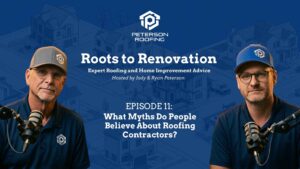
In Roots to Renovation, Peterson Roofing’s Ryan Peterson explained their approach plainly: “We’ll tell you whether or not you really need a repair or a new roof.” That homeowner-first mindset is what separates a trusted roofing contractor from a company that only wants to sell a replacement.
When a Roof Repair Makes the Most Sense
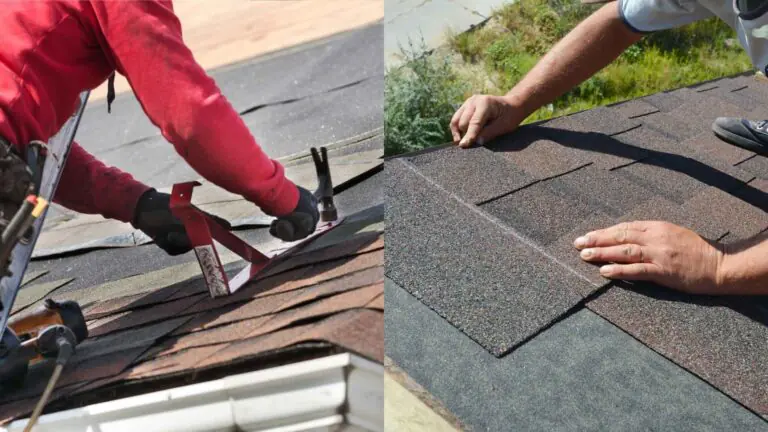
Repair is often the right choice when the roof is still fairly young and the damage is limited. If wind lifted a few shingles, a branch scraped one area, or a leak is tied to one flashing detail, a full replacement may not be necessary.
This is especially true when the rest of the roof is performing well. A roof that is only two or three years old should not be replaced just because one small issue appears. Jody Peterson made the honest recommendation clear when he said, “We’d rather repair a roof if it’s not that old and the repairs are minor.”
That kind of advice matters. Homeowners deserve a clear explanation of what failed, how it can be fixed, and whether the repair is expected to last. A good repair should solve the problem, protect the home, and give the homeowner confidence.
When a Full Roof Replacement Is the Better Investment
Replacement starts to make more sense when damage is widespread, recurring, or connected to an older roof. At that point, the better question is not, “Can this be fixed?” It is, “Is this repair worth the money?”
One useful guideline from the podcast is the 25 to 30 percent rule. Jody explained that if a large portion of a roof is damaged, the cost of repair can start getting close to the cost of replacement. Once that happens, a full roof system may offer better long-term value.
Replacement may also be smarter when shingles keep blowing off year after year. Ryan compared it to an old car that keeps needing repairs. One fix may feel manageable, but several repairs can add up without giving you real peace of mind.
A new roof can reset the lifespan, improve consistency, strengthen warranty protection, and simplify future insurance or resale conversations.
Roof Age Matters More Than the Label on the Shingle
Many homeowners hear terms like “50-year roof” and assume the roof will last that long without much thought. In real life, roof lifespan depends on more than the product label. Weather, installation, ventilation, maintenance, shade, trees, and storm exposure all play a role.
Ryan put it this way in the podcast: “Manufacturers market them that way, but realistically, under normal circumstances, you’re probably getting twenty-five to thirty years out of a roof.” Some may last longer, while others age faster because of poor airflow, heavy tree cover, moss, repeated storms, or installation shortcuts.
Age changes the repair-versus-replacement decision. A small repair on a three-year-old roof is very different from the same repair on a 22-year-old roof. The newer roof may have decades left. The older roof may be warning you that more problems are coming.
The Hidden Costs of Repeated Repairs
Small repairs can feel easier to approve because they cost less upfront. That does not always make them cheaper over time. A few hundred dollars this season, another service call next year, and another patch after a storm can quickly become expensive.
The bigger issue is uncertainty. A homeowner with a failing roof may start worrying every time strong wind or heavy rain is in the forecast. That stress matters, especially when no one is sure where the next problem will show up.
Repeated repairs can also create a patchwork roof. Mismatched shingles, uneven aging, and multiple repair areas may raise questions during a buyer inspection. Even when the work is legitimate, the roof may look like it has had a hard life.
If the same issue keeps coming back, or if new problems appear every season, replacement may be the more practical solution.
A Roof Is More Than Shingles
One of the strongest takeaways from the podcast is that a roof can have decent shingles and still be a problem roof. Ryan shared an example of a newer roof where the shingles were not the main issue. The real problem was that important flashing details had not been installed correctly.
Flashing protects areas where the roof meets walls, chimneys, skylights, valleys, and other transitions. If those details are wrong, water can enter even when the shingles look fine from the street. Correcting those mistakes later can cost thousands of dollars.
This is where Peterson Roofing’s experience stands out. Jody and Ryan do not talk about roofs as surface-level products. They talk about full systems. That approach helps homeowners avoid short-term fixes that miss the real issue.
The cheapest roof installation can become expensive if key details are skipped.
Insurance and Documentation Should Be Part of the Conversation
Insurance can complicate the repair-versus-replacement decision. If a homeowner had previous damage and did not repair it correctly, a future claim may become harder to support. Insurers may look closely at old repairs, visible patches, satellite imagery, or signs of neglect.
Jody explained that documentation can make a real difference. If repairs are done properly and supported with photos, invoices, and clear records, homeowners are in a stronger position. If the repair looks questionable and no one can explain it, problems may come up later.
This is why casual patch jobs are risky. A roof repair should be professional, documented, and tied to a clear explanation of what was fixed. That helps today, but it may also help during future insurance claims, home inspections, or resale negotiations.
For storm-prone communities, clear documentation is not just helpful. It is part of protecting the investment.
Resale Value and Buyer Confidence
A roof is one of the first major systems buyers notice. Even if the rest of the home looks great, an old or visibly damaged roof can create hesitation. Buyers may wonder how soon they will need to spend money after closing.
Ryan pointed out that roof condition can affect resale value and insurability. A home with missing shingles, exposed decking, or obvious roof problems may be harder to insure or harder to move through inspection. Buyers want confidence, not uncertainty.
Curb appeal matters too. Modern roofing is not only functional. Shingle color, rooflines, and overall condition all affect how a home looks from the street. A clean, well-installed roof can make the entire property feel more cared for.
Not every seller needs to replace a roof before listing. Still, every seller should understand the roof’s condition before buyers start asking questions.
A Smart Framework for Homeowners
The best roofing decision is based on evidence, not fear. A homeowner should not feel pushed into replacement if a repair will solve the problem. At the same time, it is not wise to keep repairing a roof that is clearly near the end of its life.
Start with the roof’s age. Then look at the size, location, and cause of the damage. Ask whether the issue is isolated or part of a pattern. Consider installation quality, maintenance history, insurance concerns, and your plans for the home.
Repair may be best when the roof is newer, the damage is limited, and the rest of the system is healthy. Replacement may be best when the roof is older, damage is widespread, repairs are frequent, or installation problems affect multiple areas.
The most important question remains simple: “What would you do if this were your own house?”
Watch the Full Podcast Episode on YouTube
Choosing between repair and replacement is easier when you hear how experienced professionals think through the decision. In the full Roots to Renovation episode, Mike Downer talks with Jody Peterson and Ryan Peterson of Peterson Roofing about roof age, repair costs, replacement timing, insurance concerns, resale value, and honest guidance. If you are weighing your options for roof repair Quad Cities has, watch the full podcast episode on YouTube to hear the complete conversation before making your next roofing decision.
Frequently Asked Questions About Roof Repair vs. Replacement
How do I know if my roof needs repair or replacement?
Schedule a professional inspection to evaluate age, damage, leaks, flashing, ventilation, and overall roof condition. A roofer can tell whether the issue is isolated or part of a larger system problem. They should also explain why repair or replacement makes more financial sense.
Is it worth repairing an older roof?
It can be worth repairing an older roof if the issue is minor and the rest of the roof is still sound. If the roof is near the end of its life, replacement may be the better investment. The key is comparing the repair cost to how much useful life remains.
What is the 25 to 30 percent rule for roof replacement?
If about a quarter or more of the roof needs major work, replacement may offer better value. Large repairs can cost enough that starting over with a new roof system makes more sense. This guideline helps homeowners avoid spending heavily on a roof that may still have limited life left.
How long does an asphalt shingle roof usually last?
Many asphalt shingle roofs last around 25 to 30 years. Installation quality, ventilation, maintenance, weather, and storm exposure can shorten or extend that lifespan. A professional inspection can help estimate how much life your roof may still have.
Can roof repairs affect insurance claims?
Yes, professional documentation can support future claims. Poor, incomplete, or undocumented repairs may raise concerns during an insurance review. Photos, invoices, and clear repair notes can help protect the homeowner.
Does a new roof help when selling a house?
Yes, a newer or well-maintained roof can improve buyer confidence, curb appeal, and insurability. It can also reduce inspection concerns during the sales process. Buyers are often more comfortable when they know the roof has been properly cared for.