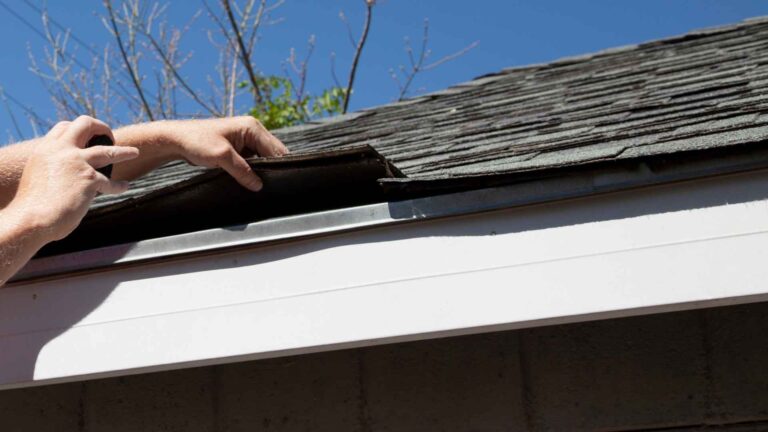
A professional roof inspection examines much more than shingles. It evaluates the roof surface, flashing, gutters, penetrations, decking, attic ventilation, insulation, and signs of hidden moisture or animal damage. For homeowners searching for a reliable roof inspection Quad Cities service, the real value is an honest diagnosis that explains what is happening, why it happened, and what should be done next.
A good inspection can confirm that a roof is still performing well, identify a small repair before it grows, or reveal an installation problem that could shorten the life of a replacement. Peterson Roofing brings 45 years of experience to that process.
What does a professional roof inspection include?
A professional roof inspection should evaluate the entire roofing system, not just the visible shingle surface. The inspector should examine exterior materials, drainage, flashing, penetrations, structural support, and accessible attic conditions. Each part affects the others, so the inspection must connect visible symptoms with their underlying cause.
On the exterior, inspectors check shingles for cracking, curling, missing tabs, exposed asphalt, and granule loss. Ridge caps, valleys, gutters, and roof edges also need attention. Flashing around chimneys, plumbing pipes, vents, and other penetrations should be examined for gaps, failed sealant, or poor installation.
Inspectors should also look for weak decking, storm damage, fallen branches, and evidence of raccoons, squirrels, or birds disturbing materials. Peterson Roofing’s process is designed to identify these conditions before recommending repair or replacement.
How long should a thorough roof inspection take?
A complete residential roof inspection usually takes about 30 minutes to one hour. The exact time depends on the roof’s size, pitch, layout, accessibility, and number of features. A simple gable roof may take less time than a home with several valleys, dormers, chimneys, additions, and attic concerns.
Peterson Roofing allows enough time to inspect the full system rather than rushing to produce a quote. Remote tools can estimate roof dimensions and help prepare preliminary pricing. They cannot detect soft decking, loose flashing, animal damage, widespread granule loss, or moisture beneath the roof surface. An estimate may be created remotely, but a condition assessment requires a closer look.
What exterior warning signs do roof inspectors look for?
Roof inspectors look for material deterioration, installation defects, drainage problems, weather damage, and signs that a component is approaching failure.
Common warning signs include cracked, curled, lifted, or missing shingles. Small spider-like cracks can indicate aging or stress. Inspectors also check ridge caps, valleys, sealant, and metal flashing for wear. A loose piece of flashing or a failed seal may allow water into the system even when nearby shingles still look sound.
Gutters provide useful clues. Heavy granule accumulation can indicate advanced shingle wear, while standing water or overflow may point to drainage problems. Inspectors should also look for punctures, branch impacts, and animal damage.
Ryan Peterson recalls repairing ridge-cap damage caused by a raccoon. Damage like this can be difficult to see from the yard, especially on a steep or multi-level roof.
Why is granule loss an important warning sign?
Granule loss matters because granules protect asphalt shingles from sunlight and weather exposure. When that layer wears away, the asphalt absorbs more heat and deteriorates faster. Extensive granule loss can signal aging, defective materials, excessive heat, poor ventilation, or premature shingle failure.
Ryan Peterson described inspecting a roof that was about 15 years old but had lost most of its granules on the southern exposure. The homeowner could not see the damage from the ground. The sun-facing sections had aged much faster, leaving the asphalt vulnerable.
Widespread bald areas, uneven coloration, or large accumulations in gutters deserve attention. Granule loss does not always mean immediate replacement. An experienced inspector should consider the roof’s age, material, ventilation, exposure, and remaining condition before making a recommendation.
Why should the attic be part of a roof inspection?
The attic should be inspected because it can reveal moisture, ventilation, insulation, and decking problems that are invisible from the roof surface. Exterior shingles may appear acceptable while the underside shows staining, mold, condensation, rot, or evidence of a long-term leak.
An attic inspection can reveal bathroom or kitchen exhaust fans releasing warm, moist air directly into the attic instead of outdoors. That moisture can condense on cold decking, damage the wood, and create conditions that resemble a roof leak.
Jody Peterson shared an example involving a kitchen range vent that ended inside the attic. Moist air had rotted a section of decking. The homeowners believed they had a roof leak, but the roof still had useful life remaining. The correct solution was to extend the vent through the roof, replace the damaged wood, and protect the existing roof rather than sell an unnecessary replacement.
How do ventilation and decking affect roof performance?
Ventilation and decking directly affect how long a roof can perform. Roof decking is the plywood or board surface beneath the roofing materials. Attic ventilation brings outside air in near the eaves and allows warm, moist air to escape near the roof peak.
When ventilation is inadequate, heat and moisture can build up. That can contribute to condensation, mold, decking deterioration, and premature shingle aging. A roof may appear to be wearing from the outside when heat is also damaging it from beneath.
Decking must be solid enough to hold fasteners securely. Thin, water-damaged, or rotting plywood cannot provide a reliable foundation. Installing premium shingles over weak decking does not solve the structural problem.
Jody Peterson puts the issue plainly: a new roof is only as good as the decking it is nailed to. Peterson Roofing checks these underlying conditions before installation so existing mistakes are not repeated. Correcting ventilation, exhaust, and decking problems first gives the roof a better chance to reach its expected service life.
What should a professional roof inspection report include?
A professional roof inspection report should include clear findings, photographs, plain-language explanations, and practical next steps. It should help homeowners understand the condition of each major component without requiring roofing knowledge.
A thorough report may cover overall condition, estimated age, shingle wear, flashing, penetrations, gutters, attic ventilation, insulation, moisture, decking, immediate repairs, maintenance priorities, and likely replacement timing.
Ryan Peterson emphasizes that homeowners need enough information to make decisions. A vague verbal assessment may leave them confused, especially when technical terms such as soffit, fascia, decking, or flashing are used without explanation. A good report translates roofing language into clear homeowner guidance.
What is the difference between a free and paid roof inspection?
A free roof inspection is usually appropriate when a homeowner has a specific concern, needs a repair opinion, or wants a replacement estimate. A paid inspection is more likely to include formal documentation, detailed photographs, and a written evaluation for a real estate transaction or another high-stakes decision.
The value of either option depends on the quality of the work. A free inspection can be thorough and honest. A paid report can still be vague. Homeowners should focus on whether the inspector checks the right areas, provides evidence, explains the findings, and avoids pressure-based recommendations.
How often should homeowners schedule a roof inspection?
Most properly installed roofs do not need a full professional inspection every year. Peterson Roofing generally recommends checking a well-built roof about every five years under normal conditions. More frequent inspections may be appropriate for older roofs, unknown installations, heavily wooded properties, or homes exposed to severe weather.
Annual inspections can make sense when mature trees surround the home. Branches may scrape shingles, fall during storms, clog gutters, or create access points for animals. A roof should also be inspected after hail, damaging winds, a derecho, or a significant branch impact.
Inspection frequency should reflect actual risk rather than a sales schedule.
How can a roof inspection save homeowners money?
A roof inspection saves money by identifying small problems before they damage larger parts of the home. It can also prevent homeowners from paying for a full replacement when a targeted repair, ventilation correction, or limited decking replacement would solve the real issue.
A small flashing gap may only require resealing. A damaged ridge cap can often be replaced before water reaches the decking. A blocked gutter can be cleared before overflow damages fascia or siding. An improperly terminated exhaust vent can be extended outdoors before condensation spreads.
The largest savings often come from accurate diagnosis. A ceiling stain does not automatically mean the shingles have failed. Moisture may come from condensation, an exhaust problem, plumbing, or one isolated penetration.
Peterson Roofing’s no-pressure approach is built around telling homeowners what they need and what they do not need. That may mean recommending a new roof, but it may also mean confirming that the existing roof still has five, ten, or fifteen years remaining.
What makes a roof inspection trustworthy?
A trustworthy roof inspection is thorough, transparent, evidence-based, and free from unnecessary pressure. The inspector should examine the roof directly when safe, check the attic when relevant, explain the cause of each concern, and recommend only the work the home needs.
Homeowners should look for an established local contractor with strong community ties, clear findings, and realistic repair options. Peterson Roofing has served the Quad Cities for 45 years under the same name. That history matters because roofing decisions have long-term consequences.
The company’s approach is simple: inspect the whole system, correct underlying problems, and avoid repeating flawed installation practices. As Jody Peterson says, “If it was wrong before, why would you put it on wrong again?” That question captures the difference between replacing materials and solving the actual problem.
What should Quad Cities homeowners remember about roof inspections?
A professional inspection should do more than label a roof as good or bad. It should explain the condition of the shingles, flashing, gutters, decking, attic, ventilation, and penetrations, then connect those findings to practical next steps. Peterson Roofing uses decades of local experience to provide honest answers without pushing unnecessary work. For a thorough roof inspection Quad Cities homeowners can trust, choose a contractor that looks for the cause, documents the evidence, and protects the long-term value of the home.
Watch the Full Episode of Roots to Renovation
Homeowners who want a closer look at the inspection process can watch the full episode of Roots to Renovation on YouTube. Host Mike Downer speaks with Peterson Roofing founder and CEO Jody Peterson and COO Ryan Peterson about attic warning signs, granule loss, animal damage, inspection reports, ventilation, decking, and honest repair recommendations. Watch the complete conversation for practical advice from roofing professionals who have spent decades working on Quad Cities homes.
Frequently Asked Questions
Can a roof inspection find a leak before water enters the house?
Yes. An inspector may identify loose flashing, failed sealant, damaged shingles, punctures, or drainage problems before they create visible interior damage.
Does every roof inspection require attic access?
Not every visit requires it, but attic access is important when investigating leaks, condensation, ventilation, mold, insulation, or weak decking.
Can a roof look fine from the ground and still be damaged?
Yes. Granule loss, small punctures, loose flashing, soft decking, animal damage, and worn ridge caps may be impossible to see safely from the yard.
Do I need a new roof if I have a ceiling stain?
No. A ceiling stain may come from a localized roof defect, condensation, plumbing, or an improperly vented exhaust fan. The source should be diagnosed first.
Should I get a roof inspection before buying a home?
Yes. A dedicated inspection can reveal remaining service life, hidden repair needs, attic issues, and costs that may not be fully covered by a general home inspection.
Should a roof be inspected after a major storm?
Yes. Hail, high winds, derechos, and falling branches can cause concealed damage. Prompt inspection helps prevent water intrusion and documents the condition.
What happens after a roof inspection?
The contractor should explain the findings and recommend maintenance, repair, monitoring, or replacement. A detailed inspection may include photographs and a written report.