
What Happens During a Professional Roof Inspection?
Post View Transcript A professional roof inspection involves much more than looking at the home from the driveway. In the recent episode of Roots to Renovation, host Mike Downer speaks with Jody Peterson, founder and CEO of Peterson Roofing, and Ryan Peterson, the company’s COO, about what homeowners should expect from a complete roof assessment. For anyone wondering what happens during a roof inspection in Davenport Iowa, the key takeaways are simple: the roofer should examine the shingles, flashing, gutters, decking, attic, and ventilation, then clearly explain what needs attention and whether replacement is truly necessary. How Long Does a Roof Inspection Take? A complete roof inspection usually takes between 30 minutes and an hour, depending on the roof’s size and complexity. A basic two-sided gable roof may require less time, while a roof with several valleys, chimneys, pipes, vents, or additions needs a closer examination. Jody explained that Peterson Roofing inspects the entire roofing system even when the homeowner initially calls about a leak or requests a replacement estimate. The purpose is not simply to calculate the price of a new roof. It is to understand the current condition of the system and identify problems that could become more expensive later. Satellite measurements can help provide basic estimates, but they cannot reveal soft decking, failed flashing, animal damage, or hidden moisture. Spending more time during the initial inspection can help homeowners avoid repeated repairs and unnecessary expenses. What Do Roofers Check on the Exterior? The exterior portion of an inspection covers the shingles and every visible roofing component. Inspectors look for cracking, curling, missing shingles, damaged ridge caps, weak areas, and granule loss. Granules protect the asphalt beneath a shingle from sunlight. When those granules wear away, the exposed asphalt can deteriorate more quickly. Ryan described inspecting a roof that was approximately 15 years old but had lost most of its granules along the southern exposure. The homeowner had no idea because the damage was not visible from the ground. Inspectors also examine flashing around chimneys, pipes, skylights, and other roof penetrations. They check for failed seals, worn caulk, drainage problems, and gutter buildup. Animal activity is another potential concern. Raccoons, squirrels, and birds can pull apart ridge caps, create openings, build nests, or block gutters and ventilation components. Why Is the Attic an Important Part of the Inspection? The attic can reveal roofing problems that are impossible to diagnose from the exterior alone. Inspectors examine the underside of the roof decking for water stains, mold, rot, daylight penetration, and evidence of long-term condensation. They also check whether bathroom and kitchen exhaust vents actually lead outside. When a vent ends inside the attic, it can release warm, moist air into the space and damage the surrounding wood. Jody shared an example involving a leak above a kitchen range. Although the homeowner suspected a roof failure, the actual roof was still serviceable. The range vent stopped inside the attic instead of exiting through the roof, causing moisture to rot a section of decking. The correct solution was to extend the vent outdoors and replace the damaged wood—not install an unnecessary roof. As Jody explained, “a brand-new 50-year roof is only as good as the decking underneath that it’s nailed to.” Installing new shingles without correcting existing moisture or ventilation problems allows the same damage to happen again. What Should a Roof Inspection Report Include? A high-quality written report should document the condition of the shingles, flashing, roof penetrations, gutters, ventilation, insulation, and decking. It should also include photographs, clear explanations, and recommendations for repairs, monitoring, or replacement. A vague verbal assessment may confuse homeowners, especially when terms such as soffit, fascia, flashing, and decking are not explained. A written report gives the homeowner something to review and reference when making decisions. Detailed reports are particularly helpful during a home purchase or sale. Buyers need to know whether the roof has many years of service remaining or whether a major expense could arise shortly after closing. When Should Homeowners Schedule an Inspection? Inspection frequency depends on the roof, installer, weather, and surrounding environment. Jody suggested that a properly installed roof may only need to be checked about every five years. More frequent inspections may be appropriate when another contractor installed the roof, the home is surrounded by trees, or a severe storm has recently passed. Fallen branches, derechos, hail, and strong winds can create small defects that eventually become serious leaks. The Petersons also emphasized that inspections should never be used as a pressure tactic. A trustworthy contractor should be willing to tell homeowners when their roof is still in good condition and may last another five, 10, or 15 years. Protect Your Home With a Thorough Inspection A proper roof inspection helps homeowners understand the entire roofing system before small defects become costly repairs. The best inspectors examine the exterior and attic, document what they find, explain the results clearly, and recommend only the work the home actually needs. That is the clearest answer to what happens during a roof inspection in Davenport Iowa. Frequently Asked Questions Can a roof be inspected without entering the attic? Yes, but the assessment may be incomplete. The attic can reveal moisture, mold, ventilation problems, and damaged decking. Is a written roof inspection always necessary? No. A verbal assessment may be enough for a routine check. Written reports are more helpful for home sales, insurance matters, or complicated problems. Can a roof look fine from the ground but still be damaged? Yes. Granule loss, failed flashing, soft decking, and animal damage often cannot be seen from the driveway. Does a roof leak always require replacement? No. Leaks may come from damaged flashing, vents, ridge caps, or moisture being released into the attic. How often should a newer roof be inspected? About every five years may be sufficient when the roof was installed correctly, unless trees or severe weather increase the risk of damage. What should happen after the inspection? The homeowner should receive
What Happens During a Professional Roof Inspection? A Complete Homeowner’s Guide
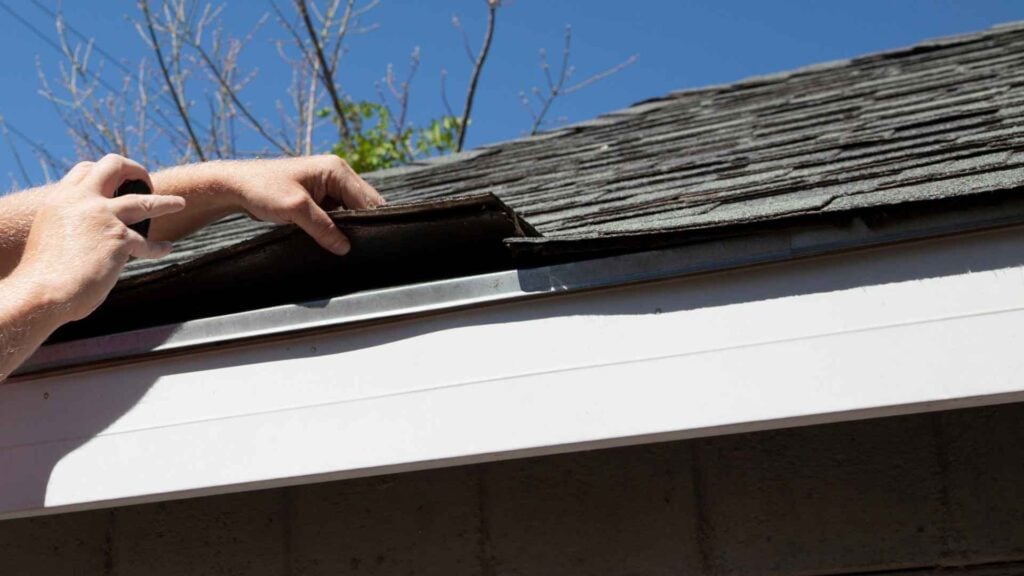
When most homeowners think about a roof, they picture shingles — color, texture, warranty, maybe even the style that looks best with their siding. But beneath those shingles lies one of the most important parts of your roof: the decking, also called Sheathing.
Best Roofing Materials for Iowa Homes: Expert Insights from Peterson Roofing

Post View Transcript When it comes to protecting a home in Iowa and answering the question of what roofing material is best for Quad Cities weather, few decisions are more important than selecting the right roofing material. Between harsh winters, strong summer storms, hail, high winds, and dramatic temperature swings, roofs in the Midwest face challenges that homeowners in many other parts of the country never experience. In an episode of Roots to Renovation, host Mike Downer sat down with Jody Peterson, Founder and CEO of Peterson Roofing, and Ryan Peterson, COO of Peterson Roofing, to discuss the roofing materials that consistently perform best in the Quad Cities region. Drawing from more than 45 years of roofing experience, the Peterson team shared valuable insights into shingles, metal roofing, ventilation, underlayment, and long-term roof performance. Why Architectural Shingles Dominate Iowa Roofing One of the biggest shifts in residential roofing over the last few decades has been the move away from traditional three-tab shingles and toward architectural shingles. According to Ryan Peterson, architectural shingles offer a significant upgrade in design and durability. Unlike three-tab shingles, which have thinner sections between tabs, architectural shingles use a laminated construction that creates a thicker, stronger product. This added thickness helps the roof withstand Iowa’s weather conditions more effectively. Architectural shingles also provide a more dimensional appearance, giving homes improved curb appeal while delivering better performance. Today, architectural shingles have become the standard roofing choice across Iowa and much of the Midwest. Why Peterson Roofing Recommends Owens Corning Not all shingles are created equal. When discussing preferred manufacturers, Jody Peterson emphasized that Peterson Roofing evaluates products based on real-world performance rather than marketing claims. “We’ve used Owens Corning shingles for many years because we rarely have issues with them,” Jody explained. Over decades of installations, Peterson Roofing has experienced very few warranty claims or product failures with Owens Corning products. While competing manufacturers have improved over the years, Peterson Roofing continues to recommend Owens Corning Duration shingles because of their reliability, durability, and consistent long-term performance. For homeowners, fewer callbacks and fewer product issues translate into greater peace of mind. Are Class IV Impact-Resistant Shingles Worth It? As severe weather events become more common throughout Iowa, many homeowners are considering impact-resistant roofing options. Most standard architectural shingles carry a Class III impact rating, which offers protection against smaller hail events. Class IV shingles provide a higher level of impact resistance and are specifically designed to withstand larger hailstones. Ryan Peterson noted that while Class IV shingles do cost more upfront, they may help homeowners avoid significant expenses in the future, especially as insurance deductibles continue to increase. The insurance savings alone may not completely offset the additional cost of installation, but the added protection can provide valuable long-term benefits in hail-prone areas. For many Iowa homeowners, investing in impact-resistant roofing can be a practical way to reduce future storm-related damage. The Pros and Cons of Metal Roofing Metal roofing continues to grow in popularity, but it isn’t necessarily the perfect solution for every home. One of the biggest advantages of metal roofing is longevity. Metal roofs typically last much longer than traditional asphalt shingles and perform well during hail and wind events. However, there are tradeoffs. The most obvious drawback is cost. Metal roofing systems can be significantly more expensive than architectural shingles. Ryan Peterson also pointed out that while metal roofs resist many forms of damage, hail can still leave dents. Increasingly, insurance carriers classify these dents as cosmetic damage, meaning replacement may not be covered. Noise can also be a consideration. Depending on the home’s construction and insulation, some homeowners notice increased sound during heavy rainstorms. Aesthetics matter as well. As Jody Peterson explained, a standing-seam metal roof can sometimes look out of place in neighborhoods dominated by traditional shingle roofs, potentially affecting resale appeal. When Premium Designer Shingles Make Sense For homeowners looking to elevate curb appeal, designer shingles offer a premium option. These products are designed to create distinctive visual effects through enhanced color variation, texture, and dimensional appearance. They can mimic high-end materials while maintaining the advantages of asphalt roofing. Ryan Peterson stressed that designer shingles work best when they complement the home’s overall exterior design. A beautiful roof should enhance the home’s architecture rather than compete with it. Choosing the right style and color combination is essential for achieving the desired aesthetic result. Why Underlayment Matters More Than Most Homeowners Realize Many homeowners focus entirely on the shingles they can see, but the materials underneath are equally important. Roofing underlayment serves as a secondary barrier against water intrusion. If severe weather damages shingles or blows them off entirely, the underlayment provides temporary protection until repairs can be completed. Jody Peterson described underlayment as a critical backup system that helps prevent water from entering the home during storm events. A quality roofing system isn’t just about the outer layer. Every component works together to protect the structure. Proper Ventilation Can Extend Roof Life One of the most overlooked aspects of roofing performance is attic ventilation. Without proper airflow, attic temperatures can rise dramatically during summer months. Excessive heat can accelerate shingle aging and shorten roof lifespan. Ventilation also plays a major role during winter by reducing condensation and moisture accumulation. Ryan Peterson shared an example of a home where a kitchen exhaust vent terminated inside the attic instead of venting outdoors. Over time, moisture buildup caused significant wood rot and structural damage. Proper intake and exhaust ventilation help prevent these issues while ensuring roofing warranties remain valid. Does Roof Color Affect Energy Efficiency? Roof color does influence heat absorption. Darker shingles absorb more solar heat, which can increase attic temperatures. However, Jody Peterson emphasized that proper insulation and ventilation are far more important than color selection alone. Modern roofing products are engineered to handle heat far better than older generations of shingles. As a result, homeowners can usually prioritize appearance without worrying about significant impacts on indoor comfort. If you’ve
How to Choose the Best Roofing Material for Iowa Homes

When most homeowners think about a roof, they picture shingles — color, texture, warranty, maybe even the style that looks best with their siding. But beneath those shingles lies one of the most important parts of your roof: the decking, also called Sheathing.
Roof Repair vs. Replacement: How Davenport Homeowners Can Make the Right Call
Post View Transcript In this episode of Roots to Renovation, host Mike Downer welcomes Jody Peterson, founder and CEO of Peterson Roofing, and Ryan Peterson, the company’s COO, for a practical conversation every homeowner eventually faces: roof repair versus full replacement. The big question—should I repair or replace my roof Davenport Iowa—does not always have a one-size-fits-all answer. As Jody and Ryan explain, the smartest decision depends on the roof’s age, the amount of damage, long-term cost, insurance concerns, and whether the home may be sold in the future. The key takeaway is simple: homeowners should not guess. A professional inspection can reveal whether a small repair will safely extend the roof’s life or whether replacement is the better investment. Peterson Roofing’s approach is built around honesty, not automatically selling a new roof. As Ryan says, some roofing companies may push replacement because “they want to make as much money as they can,” but a trustworthy contractor should recommend what they would do if it were their own home. When Roof Repair Makes Sense Repair is often the right choice when the roof is relatively young and the damage is minor. Jody explains that if a roof is only two or three years old and the repair costs between $500 and $2,000, replacing the whole roof for $20,000 would usually make little sense. That kind of guidance matters because not every missing shingle, scarred area, or localized leak requires a full tear-off. If the roof system is otherwise sound, a repair can be the most financially responsible decision. The Petersons emphasize that building trust with homeowners means being willing to say, “You do not need a new roof yet.” When Replacement Becomes the Better Investment One major rule discussed in the podcast is the 25% to 30% threshold. Jody first encountered this idea while working as a licensed contractor in Florida after hurricanes. If roughly a quarter of the roof was damaged, a full replacement often became necessary because the cost of repairing that much roof could approach the cost of replacing the entire system. The same principle applies in Iowa. Once damage becomes widespread, repairs may no longer provide lasting value. A patched roof may still have aging sections, uneven wear, and limited warranty protection. In that case, replacement gives the homeowner a fresh start and a more dependable roofing system. Roof Age Changes the Equation Ryan points out that although some shingles are marketed as “fifty-year roofs,” most homeowners should realistically expect about 25 to 30 years of useful life under normal conditions. If a roof is already 15 years old and shingles are lifting, blowing off, or showing major storm or tree damage, replacing it may be wiser than spending thousands on temporary fixes. He frames the cost in a helpful way: if a $20,000 roof lasts around 30 years, that breaks down to roughly $750 per year. Compared to repeated repairs, water damage, and insurance complications, replacement can be a strong long-term value. Why Small Repairs Can Add Up Ryan compares an aging roof to an old car that keeps “nickel-and-diming” its owner. He shares an example of a church roof where shingles blew off year after year. Each visit cost a few hundred dollars, but over time those small bills added up. At some point, repeated repairs stop being practical. A new roof can reduce stress, improve warranty coverage, and make future insurance conversations easier. The goal is not simply to spend less today, but to avoid wasting money on a roof that is already failing. Installation Quality Matters Not all roof problems come from age. Sometimes the issue is poor installation. Ryan describes inspecting a roof that was less than five years old but had major flashing problems because the homeowners hired the cheapest contractor. The shingles looked fine, but critical areas where the roof met walls had not been flashed correctly. Fixing those mistakes later can cost thousands of dollars. This is why a contractor should inspect the whole roof system, not just the shingles. Vents, flashings, skylights, and other details can determine whether repair is enough or whether the roof needs more extensive correction. Insurance and Documentation Are Important Jody warns that insurance companies are paying closer attention to roof condition. If a homeowner had a previous claim but did not fully or properly repair the damage, a future claim could be denied. Insurance companies may also conduct pre-inspections or use satellite imagery to identify questionable repairs. The good news is that proper documentation can protect homeowners. Photos, records, and proof of legitimate repair work help show that the roof was maintained correctly. Roof Condition Affects Resale Value A roof also plays a major role in resale. Ryan explains that if two similar homes are for sale and one has an old or damaged roof, buyers will usually favor the home with the better roof. In some cases, a poor roof can even affect whether the property is insurable. Jody adds that roofs now matter aesthetically too. Beyond keeping water out, modern roofing contributes to curb appeal, design, and overall home value. FAQs How do I know if my roof needs repair or replacement? Start with a professional inspection. The decision depends on roof age, damage severity, installation quality, repair history, and long-term cost. Is the 25% to 30% rule always exact? No. It is a practical guideline. If roughly a quarter or more of the roof is damaged, replacement may make more financial sense than extensive repair. Can a newer roof still need replacement? Yes. A newer roof may need major work if it was installed incorrectly, especially around flashings, walls, skylights, and vents. Do roof repairs affect insurance claims? They can. Poorly documented or incomplete repairs may create problems later. Proper repairs with photos and records can help protect the homeowner. What should Davenport homeowners remember most? Do not make the decision alone. Get an honest inspection, compare repair costs with the roof’s remaining life, and think about insurance
Roof Repair vs. Replacement: How Quad Cities Homeowners Can Make the Smart, Honest Choice
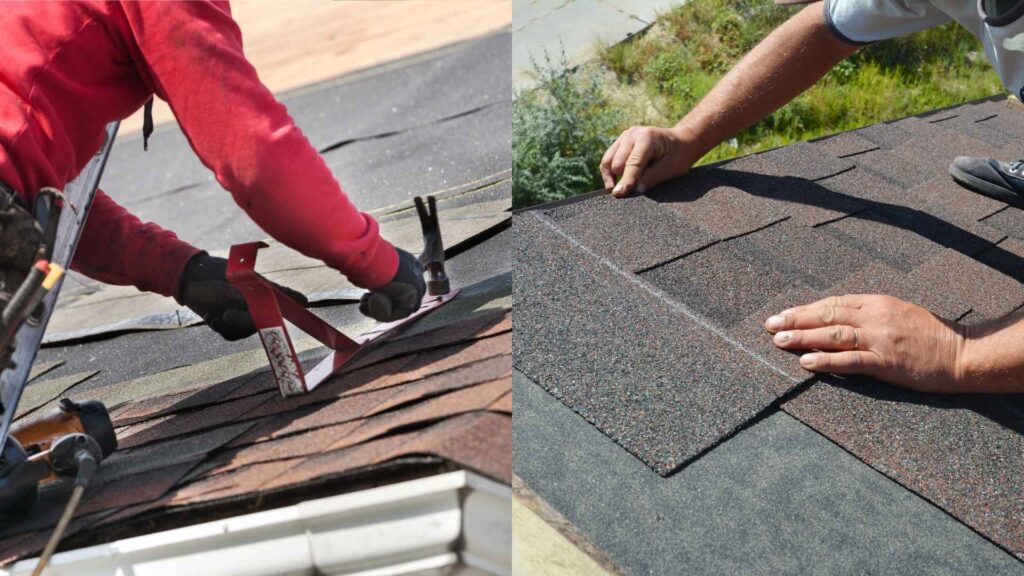
When most homeowners think about a roof, they picture shingles — color, texture, warranty, maybe even the style that looks best with their siding. But beneath those shingles lies one of the most important parts of your roof: the decking, also called Sheathing.
How Roof Insurance Claims Work in Davenport Iowa
Post View Transcript No homeowner looks forward to paying for a new roof out of pocket, but navigating the insurance claim process can be confusing and stressful. On a recent episode of the Roots to Renovation podcast, host Mike Downer sat down with Jody Peterson (Founder and CEO) and Ryan Peterson (CEO) of Peterson Roofing to discuss how roof insurance claims work Davenport Iowa homeowners can navigate storm damage recovery successfully. The Petersons shared critical advice on how the claim process works, emphasizing that homeowners must take several proactive steps to protect themselves. These steps include having a reputable local contractor inspect the roof before contacting your insurer to avoid unnecessary claims, understanding the difference between Replacement Cost Value (RCV) and Actual Cash Value (ACV) coverage, and maintaining control of your project by refusing to sign “Assignment of Benefits” (AOB) contracts. Additionally, homeowners must stay informed of local regulations, such as Iowa’s strict laws making it illegal for contractors to waive, rebate, or cover insurance deductibles. This guide outlines how to manage your storm restoration efficiently and legally. Step 1: The Initial Assessment—Storm Verification & Inspection The process starts immediately after a severe storm. If you hear hail or suspect wind damage, Jody Peterson recommends calling a trusted local contractor first. “Our job is to come over and do an inspection beforehand,” Jody explains. “If there is damage, we’ll note that damage, take pictures, and document everything.” Filing a claim without real damage can negatively impact your insurance record. Having a professional inspect the roof first ensures you have a legitimate claim before involving your insurer. Furthermore, relying on local contractors protects you from “storm chasers”—out-of-state door-knockers who sweep through neighborhoods after high-wind or hail events, offering low-quality work and high-pressure sales tactics. Step 2: Filing the Claim and Coordinating the Adjuster Meeting Once a professional inspection confirms storm damage, it’s time to file the claim via your insurer’s phone line, online portal, or mobile app. Make sure you have the exact date of the storm handy. The insurance company will assign an adjuster—or a third-party inspector who may use technology like drones—to evaluate the damage. Ryan Peterson highlights the value of having your contractor communicate with the adjuster directly: “We go over the scope of work and make sure nothing gets overlooked. Every adjuster wants that feedback from the contractor because it helps avoid mistakes.” Step 3: Understanding Your Policy (RCV vs. ACV & Depreciation) One of the most confusing aspects of a roofing claim is how the payout is calculated. Your coverage generally falls into one of two categories: Replacement Cost Value (RCV): The insurance company covers the entire cost of replacing your roof (minus your deductible). They send an initial check, then release the remaining “depreciation” amount once the contractor submits the final invoice proving completion. Actual Cash Value (ACV): If your roof is older (often 15+ years), your insurer may apply ACV coverage, paying only for the depreciated value of the roof at its current age. The homeowner must pay the difference to cover a full replacement. Step 4: Beware of Shady Deductible and Supplement Schemes During the podcast, Mike Downer brought up a common scenario: Can a contractor “help” a homeowner out by waiving or absorbing their deductible? “You can’t do that. It’s against Iowa law,” Jody points out. Passed in 2024, Iowa law states that a roofing contract becomes void if the contractor offers to rebate, waive, or pay any portion of a residential policyholder’s insurance deductible. What are Supplements? Sometimes, additional damage is uncovered only after work begins—such as rotted decking or structural truss damage. Reputable contractors handle this through supplements, submitting documentation and photos of the hidden damage to the adjuster to ensure the additional costs are added to the insurance payout. Working with Peterson Roofing Throughout the restoration process, Peterson Roofing provides technical and administrative support to homeowners. While they cannot legally file the claim on your behalf, they assist by reviewing the insurance scope of work, coordinating directly with the adjuster to ensure all damage is documented, executing the physical repairs, and submitting the final invoice required to release depreciation funds. For those planning to learn how roof insurance claims work Davenport Iowa residents can turn to Peterson Roofing, which offers pre-claim inspections to evaluate storm damage prior to contacting insurance providers. Frequently Asked Questions Can my insurance company raise my rates specifically because I filed a storm claim? No, insurers cannot raise your individual premium for acts of God, though general regional rates may increase after a storm. What should I do if my roof insurance claim is denied? You can request a re-inspection with another adjuster, hire a public adjuster, or invoke your policy’s appraisal process. What is an “Assignment of Benefits” agreement, and should I sign one? It legally transfers your claim rights and payouts to a contractor; you should avoid signing it to maintain control of your project. How long do I typically have to file a claim after a storm occurs? Most insurance policies require homeowners to file their storm damage claim within one to two years of the storm date. What is an insurance supplement in a roofing project? It is an additional estimate submitted to your insurer for necessary repairs or hidden damage discovered only after work begins. Can a contractor legally cover or waive my insurance deductible? No, state laws (including Iowa’s 2024 statute) strictly prohibit contractors from waiving, rebating, or paying any portion of your deductible. Mike Downer: Hey everybody, welcome to Roots to Renovation. I’m your host, Mike Downer, and I am joined today by Jody Peterson and Ryan Peterson. Jody is the founder and CEO of Peterson Roofing, and his ever-so-handsome son Ryan is the COO. How are we doing today, gentlemen? Jody Peterson: Doing wonderful, thank you. Ryan Peterson: Doing great. Thanks, Mike. Mike Downer: Perfect. So today is going to be an interesting topic. I know that a lot of homeowners have a lot of questions
Roof Insurance Claims in Davenport & the Quad Cities: A Homeowner’s Step-by-Step Guide After Storm or Hail Damage
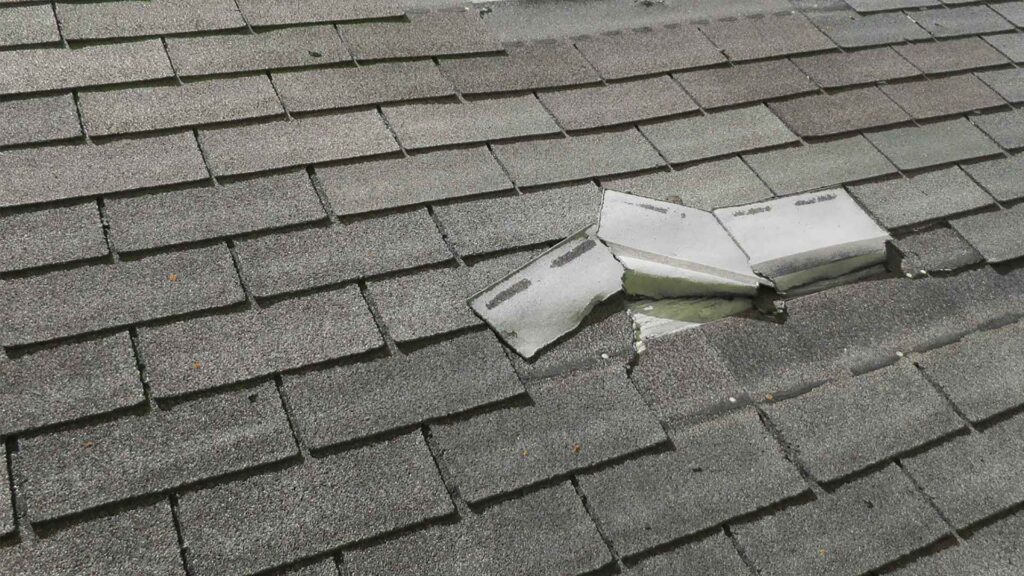
When most homeowners think about a roof, they picture shingles — color, texture, warranty, maybe even the style that looks best with their siding. But beneath those shingles lies one of the most important parts of your roof: the decking, also called Sheathing.
What Every Homeowner Should Know About Storm Damage
Post View Transcript Key Takeaways Hail and wind are the most common types of storm-related roof damage in the Quad Cities. Hail damage often cannot be seen clearly from the ground. Wind damage may happen when shingles are improperly installed or already weakened. Ice dams can cause winter roof leaks when ventilation or ice protection is inadequate. Homeowners should avoid getting on the roof after a storm. Accurate photos, dates, and notes can make insurance claims easier. Emergency tarping stops immediate leaks, while permanent repairs address the long-term fix. Working with a trusted local roofing contractor helps homeowners avoid storm-chaser pressure tactics. When severe weather hits the Quad Cities, many homeowners are left wondering what to check first, who to call, and how serious the damage might be. In a recent Roots to Renovation with Peterson Roofing conversation, Mike Downer spoke with Jody and Ryan Peterson of Peterson Roofing about what to do after storm damage Davenport Iowa, especially when hail, wind, ice, or hidden roof issues may be involved. Storm damage is not always obvious from the street. A roof can look fine from the ground while still having hail bruising, lifted shingles, weakened decking, or leak risks that only show up during a professional inspection. For homeowners in Davenport, Bettendorf, and the greater Quad Cities area, knowing what to look for after a storm can help prevent small problems from becoming major repairs. The Most Common Types of Storm Damage According to Jody Peterson, the founder and CEO of Peterson Roofing, hail and wind are the two most common storm-related roof issues in the area. Hail is often the first thing homeowners think about because it physically impacts shingles, knocking away protective granules and exposing the asphalt underneath. Over time, that exposed area can deteriorate in the sun and shorten the life of the roof. Wind damage is another major concern. Strong gusts can lift shingles, especially if they were installed incorrectly or nailed too high. Once shingles are loosened or missing, water has a much easier path into the roof system and eventually into the home. Winter weather can also create problems. Ryan Peterson, the COO of Peterson Roofing, noted that ice dams may form after heavy snow if a home is not properly ventilated. Without proper ice guard or ice and water shield, melted snow can back up under the shingles and leak into the home. Why Hail Damage Is Hard to Spot Hail damage can be surprisingly difficult to see from the ground. Ryan shared an example from a home in Thompson, Illinois, where the siding and shutters showed obvious damage, but the roof damage was not visible from the driveway. On the roof, however, the signs became clear. Hail can leave C-shaped bruising marks, break through granules, and damage the shingle mat underneath. These marks may be subtle, especially depending on the shingle color, which is why a trained roof inspection matters after a major hailstorm. How Wind Damages a Roof Modern shingles are built to withstand significant wind speeds, and Jody explained that the products Peterson Roofing uses are rated up to 130 miles per hour. When shingles blow off in lower wind events, it may point to an installation problem rather than a product failure. Improper nail placement is one example. If nails are placed too high, shingles are not secured where they should be. Over time, wind can cause them to flap, loosen, and eventually blow off. Once that happens, water can quickly find its way underneath surrounding shingles. Hidden Roof Damage: Why Street-Level Checks Are Not Enough A roof may appear perfectly fine from the street and still have serious damage. Some roof problems only become obvious once someone is walking the roof and knows what to look for. Ryan explained that hidden issues can include hail bruising, compromised shingles, and even soft spots caused by weak decking or multiple layers of old roofing. These are problems a homeowner typically will not notice from the ground. What Homeowners Should Do in the First 24 Hours After a Storm After a major storm, the first step is to avoid climbing on the roof yourself. Storm-damaged roofs can be unsafe, and damage is easy to miss without experience. Instead, homeowners should call a trusted local roofing company for a professional inspection. Peterson Roofing emphasized that homeowners often contact them after a storm simply to find out whether the damage is real. A reputable contractor should be able to tell you honestly whether your roof needs repair, replacement, or no action at all. It is also important to be cautious of door knockers after storms. Ryan noted that Peterson Roofing does not operate by aggressively knocking on doors after severe weather. Choosing an established local company can help homeowners avoid pressure tactics and fly-by-night contractors. Why Documentation Matters for Insurance Claims Storm documentation is becoming more important as insurance companies tighten claim requirements. Ryan explained that even giving the wrong storm date can create problems. If the date does not match a recorded storm event, an insurance company may deny the claim. Homeowners should document storm damage with photos, dates, and notes as soon as it is safe to do so. This may include pictures of visible exterior damage, missing shingles, damaged siding, hail marks on outdoor surfaces, or interior leaks. Accurate documentation gives your contractor and insurance company better information to work with. Emergency Tarping vs. Permanent Roof Repair Emergency tarping is a temporary solution used when there is active water intrusion or a major opening in the roof. This is most common after severe wind events, tornadoes, or storms that remove shingles or sections of roofing. The purpose of tarping is simple: stop water from entering the home right away. Permanent repair comes later. Depending on the age and condition of the roof, a contractor may be able to repair one section, replace damaged shingles, or recommend a larger replacement. If the roof is newer, repairs can often be blended
How to Spot Storm Damage on Your Quad Cities Roof
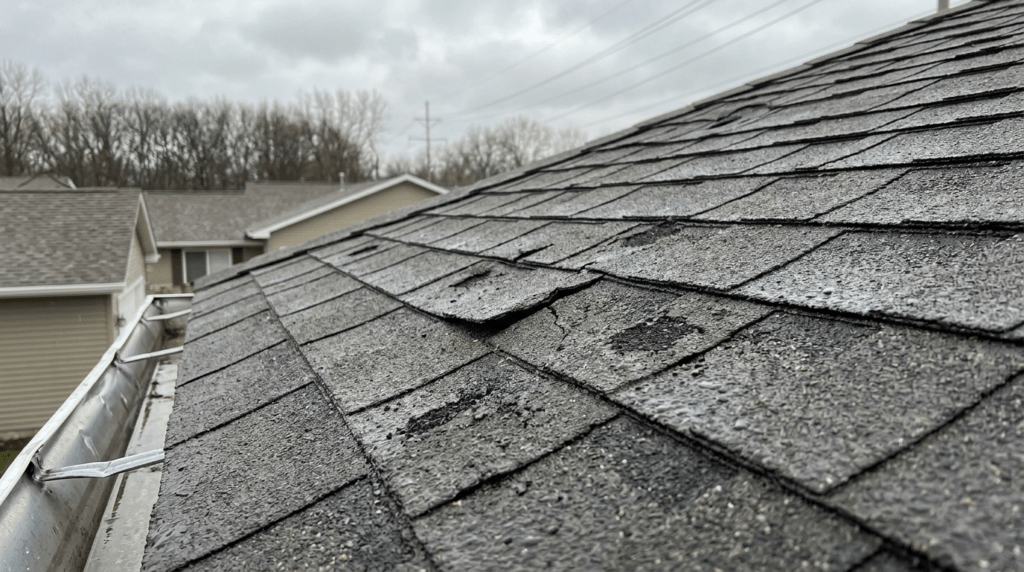
When most homeowners think about a roof, they picture shingles — color, texture, warranty, maybe even the style that looks best with their siding. But beneath those shingles lies one of the most important parts of your roof: the decking, also called Sheathing.