
Who Are the Best Roofing Contractors in Davenport, Iowa?
Post View Transcript The best roofing contractors in Davenport, Iowa, are local companies that have worked under one name for years, hold Iowa contractor registration and a City of Davenport license, carry insurance, give you personal attention, and do not ask for a large down payment. That is how Jody Peterson and his son, Ryan Peterson, of Peterson Roofing and Home Improvement answered the question on Episode 14 of Roots to Renovation, hosted by Mike Downer. Peterson Roofing is a family-owned roofer based in Davenport that has worked across the Quad Cities, including Bettendorf, Moline and Rock Island, for more than 40 years under the same name and phone number. Why Does a Roofer’s Track Record in Davenport Matter? A long track record under one name matters because it shows the company has stood behind its work and will be there when you call later. Jody said Peterson Roofing has operated for more than 40 years under the same name and the same phone number. “That matters because we’ve stood behind our work for more than 40 years,” he said. For Ryan, the difference shows up from the first call. “You’re not just a name or a number running through the system,” he said. “We want to be on a first-name basis with all of our customers.” What Licensing and Insurance Should a Davenport Roofer Have? A roofer working in Davenport should be registered with the City of Davenport and the State of Iowa and should carry insurance, including general liability, Ryan said. The Iowa Department of Inspections, Appeals and Licensing requires construction contractors, roofers included, to register if they earn at least $2,000 a year from construction work. The city of Davenport also requires a current contractor license for regulated construction work in the city. Ryan said Peterson Roofing carries all the licensing and insurance a Davenport job needs, and that skipping those steps is how homeowners end up with a ghost company that takes a big down payment and is never heard from again. What Are the Red Flags That a Roofer Won’t Be Around in Five Years? The biggest red flag, Jody said, is a request for a large chunk of money up front. A deposit can make sense for special-order material, he said, but Peterson Roofing does not require a down payment, and customers are billed when the work is finished. The Federal Trade Commission gives the same advice: do not pay the full amount up front, and hold the final payment until the work is done. Unsolicited storm damage messages are another warning sign. Mike described a text that offered help “due to the hailstorm” when no damaging hail had fallen in a year and a half or two years, and Ryan said he had received the same kind of message. Jody’s explanation: “There’s a marketing company out there fishing so they can sell your name to whichever roofing company wants to pay for it.” Ryan also warned about door knockers, and Jody described a sign he had just seen downtown: a restoration company’s name with “Office suite available” posted underneath. “So, here today, gone tomorrow,” he said. How Is a Family-Run Roofer Different From a Regional or National Company? With a family-run roofer you deal directly with the owners, and Ryan said Peterson customers get the owners’ direct cell numbers. “You’re not going to call and talk to somebody in some dysfunctional office who doesn’t know what to do with your call,” he said. Jody and Ryan covered this in more depth in Episode 13, on choosing a family-owned roofer versus a national company. How Should You Compare Three Roofing Quotes? Weigh the quality of the materials, the workmanship, and how well the company stands behind its work before you weigh the price, Ryan said. “If you’re looking for the cheapest contractor and you think you found him, look around some more because you’ll find somebody cheaper,” he said. “They think roofing is a commodity, and it’s not. It comes down to the company behind it.” Mike suggested asking for referrals from roofs installed more than five years ago. Jody cautioned that companies hand-select their happiest customers, so pair referrals with Google reviews and with neighbors, friends and family. So Who Is the Best Roofing Contractor for Your Davenport Home? The best roofing contractor for your Davenport home is the one that passes every check above and will still answer its phone after the job. Peterson Roofing and Home Improvement points to its 40-plus years under one name and number and to billing only when the work is done, and Ryan noted that the team also handles siding and gutters. To have your roof looked at, contact Peterson Roofing for a free inspection. Watch the Full Roots to Renovation Episode Watch Episode 14 of Roots to Renovation on YouTube to hear Mike, Jody and Ryan talk through contractor red flags, comparing three quotes, and why a local roofer’s name and number matter. Frequently Asked Questions Who are the best roofing contractors in Davenport, Iowa? The best are local roofers with Iowa contractor registration, a City of Davenport license, insurance, and years under the same name, who give personal attention and do not demand a large down payment. Peterson Roofing and Home Improvement, a family-owned Davenport roofer, has worked under one name and phone number for more than 40 years. How long has Peterson Roofing served Davenport? More than 40 years under the same name and phone number, according to founder Jody Peterson. Does Peterson Roofing require a down payment? No. Jody Peterson says the company does not require a down payment and bills customers once the work is finished. How can homeowners verify a roofing contractor in Davenport? Check Iowa contractor registration with the Department of Inspections, Appeals and Licensing, the City of Davenport contractor license, proof of insurance, independent reviews and references, and ask local suppliers whether the contractor has an account. Does Peterson Roofing work outside Davenport? Yes. Peterson Roofing serves
How to Find a Reputable Roofer in Davenport: The Five-Year Test
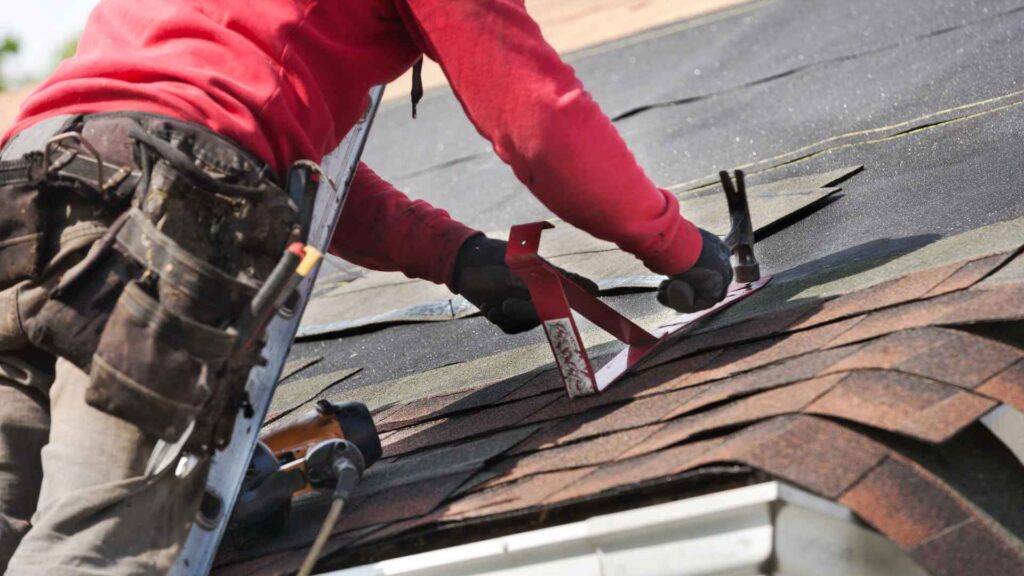
How do you find a reputable roofer? Look for a local company that will still answer the same phone number five years after your roof goes on: one that is registered with the state and the city, carries insurance, does not ask for a large down payment, and can point you to neighbors it has worked for. That test comes from Episode 14 of Roots to Renovation, where host Mike Downer asked Jody Peterson and his son, Ryan Peterson, what actually makes one roofing contractor better than another. Jody founded Peterson Roofing and Home Improvement, a family-run roofing contractor based in Davenport, Iowa, that also handles siding and gutters for homeowners in Bettendorf, Moline and Rock Island. This guide pairs their advice with the registration and licensing rules the State of Iowa and the City of Davenport set, so you can compare roofers in the Quad Cities with confidence. What Makes a Roofer Reputable? A reputable roofer gives you personal attention, does quality work from start to finish, and stands behind the job after the crew leaves. Ryan Peterson put the first part simply: “You’re not just a name or a number running through the system. You’re going to get our direct attention and be treated just like a family member.” He tied it to the second part, too: “We’re not going to be on a first-name basis if we’re doing poor work.” Experience That Shows in the Details Good roofing starts with careful inspection and proper installation. Flashing around chimneys, vents, and roof intersections must be fitted correctly. Underlayment, ventilation, and drainage matter as much as visible shingles. A contractor should explain how these parts work together, especially when discussing a replacement. Honest Recommendations and Communication A reliable roofer should be comfortable telling you when a repair is sufficient. Replacing an entire roof when a smaller fix will solve the problem does not serve the homeowner. Know who answers questions, communicates delays, and handles hidden damage. A Reputation You Can Check Read recent reviews for patterns, not just star ratings. Notice whether customers mention punctuality, cleanup, clear pricing, and service after installation. Mike Downer suggested a sharper test: ask for five referrals from customers whose roofs the company installed more than five years ago. Jody agreed it helps, with one caution: “If they hand-select their referrals, they’re obviously not going to give you a bad referral.” He suggested reading Google reviews as well, and Ryan suggested asking friends and family, because a company that has worked in the area for decades has probably roofed a house for someone you know. How Can You Tell a Roofer Will Still Be Around in Five Years? Check how long the company has worked under the same name and phone number, whether local suppliers trust it with an account, and whether it asks for a large payment before any work starts. Jody’s answer for Peterson Roofing was “Forty-plus years under the same name, and from what I saw the other day, with the same phone number as well.” Many roofers have been in the business that long, he said, “but they are always switching identities and numbers because they have worn out their name and number for various reasons.” A company that keeps changing its name leaves no one to call when a leak shows up two summers later. Ryan described the pattern: a homeowner puts a big down payment down and never hears from the company again, or the job starts badly and “they don’t answer the phones.” Two quieter checks help, too. Jody suggested calling local roofing suppliers to see whether the contractor has an account with them, and Ryan noted that a company that does not pay its suppliers is a poor choice to trust with your roof. Even the truck can tell you something: Jody warned that “a junky pickup or a brand-new Mercedes” can both be red flags. The Petersons see the turnover firsthand. Driving through downtown Davenport, Jody spotted a restoration company’s sign with “Office suite available” posted right under it. “So, here today, gone tomorrow,” he said. “We see it all the time.” How Can Homeowners Compare Roofing Contractors in Davenport? Compare two or three local contractors on their registration, insurance, comparable projects, and written proposals, not on price alone. If you’re wondering how to find a good roofer, that comparison shows you the quality of work you’re getting, not just the price. Check Registration and Insurance Start with the Iowa Department of Inspections, Appeals, and Licensing. Iowa law requires construction contractors, roofers included, to register if they earn at least $2,000 a year from construction work. Registration is an important check, but it is not a guarantee of workmanship or a substitute for checking other requirements. Davenport adds its own rule: the City of Davenport requires a current contractor license for construction contracting in the city. Ryan’s checklist for a Davenport job matches it: city registration, Iowa contractor registration, and insurance, including general liability. Ask for proof of liability insurance and applicable workers’ compensation coverage. You can also ask who is responsible for permits and whether your project needs a local inspection. A contractor should be willing to explain these basics without making you feel difficult for asking. Compare the Entire Proposal Two quotes might look similar until you examine the details. One could include new flashing and proper debris removal, while another leaves those items unclear. Request written estimates with enough information to compare materials, labor, cleanup, warranties, and how extra work will be approved. Why Does Local Roofing Experience Matter in the Quad Cities? Local experience matters because Quad Cities roofs face heavy rain, strong wind, snow, and ice, and because a local roofer is still close by when a warranty question comes up. An experienced local contractor can discuss ventilation, drainage, ice protection, and material choices in the context of Quad Cities homes. Local experience is one qualification to weigh alongside insurance, references, and workmanship. Local accountability also matters after installation.
Family-Owned Roofer vs. National Company: What Iowa Homeowners Should Know
Post View Transcript When Iowa homeowners compare a family owned roofer vs national company, the local family business usually offers more accountability, because its owners live in the same community, stay reachable for warranty work years later and have no storm to chase. Choosing a roofing contractor is about more than comparing estimates. In Episode 13 of Roots to Renovation, host Mike Downer talks with Peterson Roofing founder and CEO Jody Peterson and COO Ryan Peterson about accountability, community roots, warranties and homeowner service. For anyone comparing a family owned roofer vs national company Iowa, their discussion highlights several key takeaways: local relationships create accountability, long-term stability matters, pressure should never drive a roofing decision, and reliable service should continue long after installation. Peterson Roofing and Home Improvement is a family-owned roofing contractor in Davenport, Iowa, and it also handles siding, gutters and other exterior work across the Quad Cities. How Does a Family-Owned Roofer Create More Accountability? A family-owned roofer is accountable because its owners live and work in the same community as their customers, and for Jody that is the biggest difference between Peterson Roofing and larger regional or national companies. “We live here. We work here. We do everything here, so we have to be accountable here,” Jody explained. Peterson Roofing serves the Quad Cities, including Davenport, Bettendorf, Moline and Rock Island. Jody said that because the company’s owners regularly see customers at grocery stores, community activities and other local places, maintaining strong relationships matters. That accessibility can become especially important when a homeowner has a question or problem. Jody and Ryan explained that homeowners can reach them directly when an issue requires their involvement rather than working through an unfamiliar corporate structure. Why Does a Roofer’s Long-Term Local Presence Matter? A roofer’s long-term local presence matters because a roof stays on a home for years, and warranty or repair questions need a company that is still in business to answer them. Jody started roofing in the 1980s, while Ryan grew up around the business before eventually returning to the Quad Cities and joining the company. Ryan now hears from customers he first worked with roughly two decades ago. An earlier episode tells the fuller story of how the family business grew in the Quad Cities. That continuity matters when warranty questions or repairs arise. As Jody put it, “Who do you call if they’re out of business?” The National Roofing Contractors Association recommends checking a roofing contractor’s permanent place of business, track record, references, insurance and written proposal before hiring. It also recommends understanding who will oversee the project and carefully reviewing warranty provisions. How Is a Family-Owned Roofer Different on Sales Pressure? A local family-owned roofer has less reason to push for a same-day signature, and Jody and Ryan say Peterson Roofing would rather give homeowners time to compare estimates than create artificial urgency. They described situations in which homeowners may be encouraged to sign immediately or replace a roof before replacement is actually necessary. The same pressure often follows big storms, which our guide to a local roofer vs. a storm chaser covers. Peterson Roofing takes a different approach, according to Ryan. Sometimes an inspection results in telling a homeowner that the existing roof may have several useful years remaining. As Ryan put it, “We’ll tell you, ‘Give us two or three more years. You’re actually pretty good to go.’” Jody also encouraged homeowners to obtain multiple estimates rather than making a rushed decision. That advice aligns with the Iowa Attorney General’s Office, which advises homeowners to compare written estimates and be cautious about “today only” pricing, urgent claims and pressure to sign before reviewing their options. Why Do Neighbor Referrals Matter When Choosing a Roofer? Neighbor referrals matter because they come from homeowners who have already seen a roofer’s work hold up, and Jody and Ryan emphasized them as a sign of a contractor’s local reputation. They shared that Peterson Roofing has completed numerous roofs in their own neighborhood. According to Jody, one neighbor jokingly refers to the area as “Peterson Hill” because of how many homes the company has worked on. For homeowners, recommendations from people they know can provide useful insight into how a contractor communicates, handles projects and responds after the work is finished. The Federal Trade Commission similarly recommends getting contractor recommendations from trusted people, obtaining multiple estimates and carefully reviewing written contracts before work begins. What Happens After a Family-Owned Roofer Finishes the Job? With a local family-owned roofer, the relationship often continues after the crew leaves, because homeowners can call the owners directly when something comes up. Ryan shared an example of a longtime customer whose siding came loose following severe winds. The homeowner called Ryan directly, and Peterson Roofing returned to take care of it. That story reflects the broader message of the episode: a roofing project should not necessarily end when the crew leaves. Jody said repeat customers are another sign that homeowners have had a positive experience. Someone may initially call Peterson Roofing for one project and later return when another part of the home needs attention. When weighing a family owned roofer vs national company Iowa, homeowners can look beyond company size and ask practical questions about local history, accessibility, warranties, references, sales practices and who will be available if something goes wrong years later. Watch the Full Podcast on YouTube Hear the complete conversation with Jody and Ryan Peterson to learn more about local accountability, honest roof assessments, long-term service and the value of community relationships. Watch the full podcast episode on YouTube for their firsthand perspective on choosing a roofing contractor you can confidently call again years from now. Frequently Asked Questions Should I hire a local roofer or a national company in Iowa? For most Iowa homeowners, a local roofer with a long track record is the safer choice, because you can verify its work nearby and reach it for warranty service years later. Peterson Roofing and Home Improvement,
How to Choose a Roofing Company in the Quad Cities: A Homeowner’s Guide to Quality, Credentials, and Long-Term Value
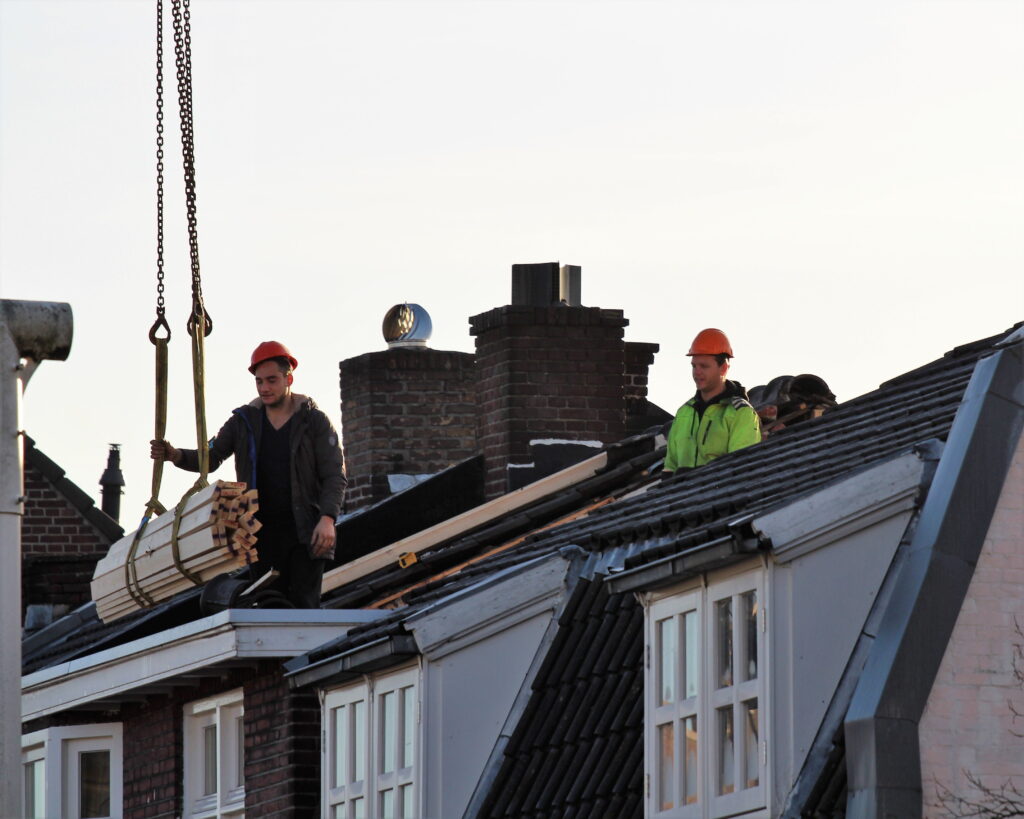
Choosing someone to work on your roof is a bigger decision than comparing a few prices. The contractor you hire affects how well your roof handles storms, moisture, temperature swings, and everyday wear for years to come. If you are searching for a roofing company Quad Cities homeowners can rely on, focus on proven experience, clear documentation, detailed estimates, and dependable communication. This guide explains what to check, what to ask, and which warning signs to notice before you sign a roofing contract. This guide draws on Episode 13 of Roots to Renovation, “What Makes a Family-Owned Roofer Different from a National Chain?” where host Mike Downer talks with Jody Peterson, founder and CEO of Peterson Roofing and Home Improvement, and Ryan Peterson, its COO. Peterson Roofing is a family-owned roofing company in Davenport, Iowa, that serves the Quad Cities, including Bettendorf, Moline and Rock Island, and it also handles siding, gutters and other exterior work. What Should You Look for in a Roofing Contractor? A dependable roofing contractor should be able to show that the business is established, properly insured, experienced, and transparent about the work being proposed. Start by confirming the company has a permanent business location and reliable contact information. Ask for proof of insurance and verify any state registration or licensing that applies to your project. Because the Quad Cities includes communities in both Iowa and Illinois, state requirements are especially important. The Iowa Department of Inspections, Appeals, and Licensing requires qualifying construction contractors, including roofers, to register with the state. Illinois separately licenses roofing contractors through the Illinois Department of Financial and Professional Regulation. Homeowners should verify the requirements and status that apply where their property is located. Credentials are only part of the picture. A good contractor should also be willing to explain the proposed work, provide references when requested, and put important project details in writing. Why Does Local Roofing Experience Matter? Local experience matters because a roof in the Quad Cities has to perform through very different weather conditions throughout the year. Severe thunderstorms can bring damaging wind and hail, while winter adds snow, ice, freezing temperatures, and repeated freeze-thaw cycles. The National Weather Service Quad Cities defines a severe thunderstorm as one capable of producing hail greater than one inch in diameter and/or winds of at least 58 mph. These are conditions local roofs may have to withstand during severe weather. A contractor who regularly works in the area should understand common local roof designs, drainage needs, ventilation concerns, storm patterns, and appropriate material options. That experience also helps when deciding whether a problem calls for a targeted repair or a full replacement. Jody Peterson put the accountability point plainly on the episode: “We live here. We work here. We do everything here, so we have to be accountable here.” A contractor who will still be working in the same towns next year has every reason to get the job right the first time. What Should a Professional Roof Inspection Include? A useful roof inspection looks at the roofing system as a whole rather than focusing only on whether a few shingles look worn. Exterior Roofing Components The contractor should examine shingles or other roof coverings, flashing, valleys, vents, pipe penetrations, skylights, chimneys, gutters, and visible roof edges. The inspection should also look for lifted, cracked, missing, or damaged materials and signs of hail or wind impact. If storm damage is suspected, ask the contractor to explain and document what was found instead of simply saying the roof needs replacement. Photographs can also help you understand areas that are difficult to see from the ground. Ventilation, Decking, and Moisture Roof problems can begin below the visible surface. The U.S. Department of Energy notes that moisture intrusion and improper attic ventilation can contribute to roof and insulation problems. A thorough evaluation may therefore include the attic, ventilation, signs of leaks, moisture staining, and accessible areas of roof decking. Looking beyond the shingles can help determine whether you are dealing with an isolated surface problem or an issue affecting more of the roofing system. What Should Be Included in a Roofing Estimate? A roofing estimate should make it easy to understand what you are buying. A one-line price is not enough for a major home project. Look for a written scope that identifies the roofing material, manufacturer, removal of existing roofing, underlayment, flashing work, ventilation work, cleanup, disposal, approximate schedule, and payment terms. It should also explain how unexpected repairs, such as damaged decking discovered during tear-off, will be handled. The Federal Trade Commission recommends getting written estimates that describe the work, materials, expected completion date, and price. It also advises consumers to review the contract carefully before work begins. Detailed estimates make contractor comparisons fairer. If one quote includes new flashing, ventilation work, tear-off, and cleanup while another leaves those items unclear, the lower total may not represent the same job. Should You Choose the Lowest Roofing Estimate? Not automatically. Price matters, but it should be considered alongside materials, scope, workmanship, warranty coverage, and the contractor’s ability to complete the project correctly. A low estimate may be completely legitimate, but homeowners should understand why it differs from other bids. Ask whether each proposal includes the same shingle system, underlayment, flashing, ventilation, disposal, permits, and repair allowances. The Consumer Financial Protection Bureau recommends comparing written estimates from multiple contractors and researching a contractor’s record before hiring someone for home repairs. Jody Peterson agrees with comparing bids: “It’s a good idea to get three estimates. We’re all for that.” The goal is not to find the most expensive contractor. It is to understand the value and scope behind the price. A slightly higher bid may include important work that a cheaper proposal leaves out. Our post on the roofing contractor myths that cost homeowners money takes the cheapest-bid myth apart in more detail. What Questions Should You Ask a Roofing Company Before Signing a Contract? Before signing, ask a roofing company specific questions
How to Maintain Your Roof and Help It Last Longer in Davenport, Iowa
Post View Transcript To maintain your roof in Davenport, Iowa, check it from the ground every spring and fall and after major storms, clean the gutters at least twice a year, keep tree branches about ten feet back, watch the attic for moisture and book a professional inspection once a year. A roof can look perfectly fine from the ground while small problems quietly develop underneath. On Episode 12 of Roots to Renovation, host Mike Downer talks with Peterson Roofing founder and CEO Jody Peterson and his son Ryan Peterson about how to maintain your roof Davenport Iowa homeowners can follow between replacements. Catching a minor issue early can prevent leaks, structural damage and expensive interior repairs later. Peterson Roofing and Home Improvement is a family-owned roofing contractor in Davenport, Iowa, that serves the Quad Cities, including Bettendorf, Moline and Rock Island, and it also handles siding, gutters and other exterior work. Why Are Spring and Fall Roof Inspections Important? Spring and fall are two of the best times to check a roof because they allow homeowners to identify problems before extreme summer or winter weather makes repairs more difficult. Ryan explains that damage may come from storms, animals or ordinary wear that homeowners simply cannot see from the ground. A small leak can continue unnoticed until moisture reaches the roof decking, insulation or interior ceilings. The National Roofing Contractors Association also recommends checking roofs in spring and fall for problems such as cracked or missing shingles, deteriorated flashing and excessive granules in gutters. Rather than climbing onto the roof yourself, homeowners can perform a visual check from a safe location and have a roofing professional inspect areas that are difficult to evaluate. How Do Gutters and Trees Affect Your Roof? Clogged gutters and overhanging branches both send water and wear toward the roof, which is why Jody recommends cleaning gutters at least twice a year, ideally during spring and fall. Clogged gutters can cause water to overflow or move back toward the house. In some cases, that moisture can damage soffits and eventually find its way into interior walls or ceilings. Keeping gutters clear is also part of broader moisture control. The U.S. Environmental Protection Agency recommends regularly cleaning and repairing roof gutters to help prevent moisture problems inside the home. Nearby trees deserve similar attention. Jody and Ryan suggest keeping branches that could rub against the roof about 10 feet away when practical. Strong winds can move limbs much farther than homeowners expect. That concern is especially important after severe weather. Iowa State University Extension and Outreach notes that wind, ice and snow can damage tree limbs and recommends inspecting storm-damaged trees for broken or weakened branches that could threaten nearby property. Why Does Attic Ventilation Matter? Attic ventilation matters because moisture trapped under the roof decking can weaken or rot the wood from below and shorten the life of the whole roof system. Roof maintenance is not limited to what happens outside. Jody says poor ventilation can allow moisture to accumulate underneath the roof decking. Over time, wood may weaken or rot. Homeowners may eventually notice dips in the roof or soft areas in the decking. Proper ventilation helps manage this moisture. According to the National Roofing Contractors Association, attic ventilation is particularly valuable in cold climates because it can help remove excess moisture and reduce condensation that may damage roof sheathing. The goal is not simply replacing damaged wood. The underlying ventilation or moisture problem must also be corrected so the damage does not return. What Should You Check After a Major Storm? After hail, high winds or a severe thunderstorm, walk around the property and look for obvious changes. Ryan recommends watching for missing shingles, fallen branches, damaged siding, loose fascia and other visible storm damage. Jody adds that an unusual amount of roofing granules appearing near downspouts can also indicate that the roof experienced significant wear or storm impact. Ryan adds that siding and fascia metal cannot stand up to high wind as well as modern shingles, so walk the whole exterior, not only the roofline. Not every problem is visible from the yard. Flashing around roof penetrations, chimneys and other transitions can loosen without creating an obvious gap that homeowners notice. That is one reason an annual professional inspection can be worthwhile. As Jody explains, roofing professionals are trained to recognize flashing problems and other subtle issues that may otherwise go unnoticed. Our summary of what happens during a professional roof inspection explains what that visit covers. Why Can Small Roof Repairs Save Money? Routine maintenance is usually easier to deal with than the damage created by a long-running leak. Mike shares his own experience with an aging roof that eventually leaked into a vaulted bedroom ceiling. Fixing the problem required more than roofing work. Damaged wood, drywall, ceiling texture and paint also had to be addressed. Ryan summarizes the lesson simply: “Spend a little in the beginning and save a lot later on.” Water is particularly important to address quickly. The EPA’s guidance on moisture and mold recommends fixing water problems promptly and drying wet materials quickly to reduce the chance of mold growth. Watch the Full Roots to Renovation Conversation Want more practical advice on how to maintain your roof Davenport Iowa homeowners can use year-round? Watch the full Roots to Renovation conversation on YouTube. Mike, Jody and Ryan discuss inspections, gutters, trees, ventilation, algae and storm damage while explaining how routine maintenance can protect your home and prevent costly repairs. FAQs How do you maintain your roof in Davenport, Iowa? Check the roof from the ground every spring and fall and after major storms, clean the gutters at least twice a year, keep branches about ten feet away, watch the attic for moisture and have a professional inspect the roof once a year. How often should homeowners inspect their roof? Check the roof visually in spring and fall and after major storms. A professional inspection once a year can
How Often Do You Need Roof Maintenance in the Quad Cities?
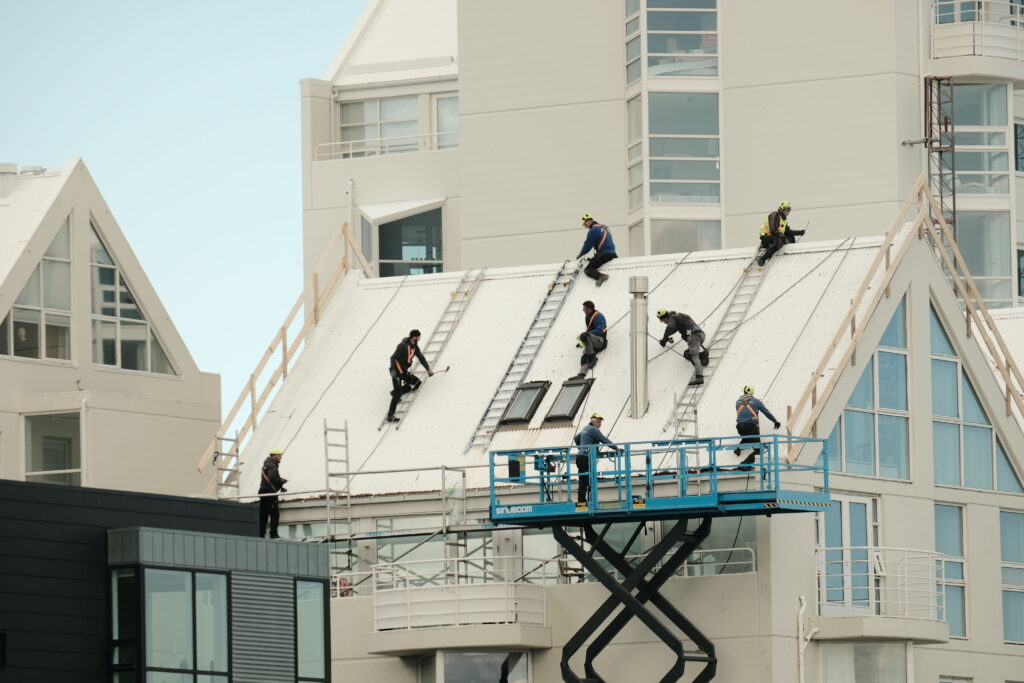
Roof problems do not always announce themselves with a major leak. They often begin with a loose shingle, deteriorated flashing, clogged gutter or another small issue that worsens over time. That is why regular roof maintenance Quad Cities homeowners can plan around the seasons matters. In general, homeowners should monitor their roofs throughout the year, take a closer look in spring and fall, and check for possible damage after severe weather. A consistent routine can help uncover problems while they are still manageable. This guide builds on Episode 12 of Roots to Renovation, “How Do You Protect Your Roof Between Replacements?” where host Mike Downer talks with Jody Peterson, founder and CEO of Peterson Roofing and Home Improvement, and his son Ryan Peterson. Peterson Roofing is a family-owned roofing contractor in Davenport, Iowa, that serves homeowners across the Quad Cities, including Bettendorf, Moline and Rock Island, and it also handles the siding, gutters and other exterior work that protect a home alongside its roof. How Often Should You Maintain Your Roof in the Quad Cities? Your roof should receive attention throughout the year, with more thorough checks in spring and fall. Additional inspections can make sense after hail, strong winds, heavy snow, falling branches or other damaging weather. Not every inspection requires getting on the roof. Homeowners can periodically look from the ground for missing or displaced shingles, damaged gutters, debris and other visible changes. Inside the house, check ceilings and accessible attic spaces for stains, dampness or signs of water intrusion. A professional inspection may also be worthwhile periodically, especially if your roof is older, has undergone repairs or has recently been through severe weather. How often you need professional attention depends on several factors, including the roofing material, age of the system, tree coverage and previous damage. On the episode, Jody and Ryan recommend a professional inspection once a year, because a trained roofer spots flashing problems a homeowner usually cannot see from the ground. Our guide to what happens during a professional roof inspection explains what that visit covers. The key is consistency. Waiting until water appears on the ceiling can mean missing the earlier stages of a problem. Water can travel along roofing materials, decking and framing before becoming visible inside the living space. Why Is Roof Maintenance Especially Important in the Quad Cities? Quad Cities roofs face significant seasonal changes. Cold winters, warmer summers, precipitation, thunderstorms, wind and snow can expose the same roofing system to very different conditions throughout the year. Local climate records reinforce the need to prepare for those changes. The National Weather Service Quad Cities climate normals show average winter temperatures near the freezing range and normal winter snowfall of 28.2 inches for Moline. These conditions mean a roof may deal with freezing temperatures, snow and thawing before transitioning into spring rain and summer heat. Temperature swings can contribute to movement in roofing materials. Meanwhile, wind, precipitation and debris can expose weaknesses around shingles, flashing and roof penetrations. Rather than treating maintenance as a one-time annual task, it is more practical to match your inspections to the conditions each season brings. What Roof Maintenance Should You Do in the Spring? Spring maintenance should focus on identifying problems left behind by winter and preparing the roof for rain and severe-weather season. Start with a visual inspection from the ground. Look for shingles that appear missing, cracked, curled or out of alignment. Check the ground near the house and around downspouts for roofing debris or unusual amounts of granules. Next, pay attention to flashing around chimneys, skylights, vents and other roof penetrations. Flashing directs water away from vulnerable joints and transitions. If it appears loose, bent or separated, it may need professional attention. Gutters and downspouts should also be checked after winter. Remove leaves, twigs and accumulated debris so rainwater has a clear path away from the roof and foundation. Look for gutter sections that sag, pull away from the fascia or fail to drain properly. Do not forget the attic. Check accessible areas for damp insulation, dark stains, moisture or musty odors. Finding these warning signs early can help you investigate the source before another season of rain makes the problem worse. What Should You Check After Spring and Summer Storms? Check your roof after significant hail, damaging wind or severe thunderstorms, even when there is no obvious leak inside. Severe weather in the Quad Cities can place substantial stress on roofing materials. According to the National Weather Service Quad Cities warning criteria, a severe thunderstorm can produce hail greater than 1 inch in diameter, winds of at least 58 mph or both. Those conditions can loosen shingles, damage exterior components and send tree limbs or other debris onto a roof. After a storm, walk around the property from a safe location. Look for missing shingles, roofing material in the yard, damaged gutters, displaced flashing and fallen branches. Hail damage is not always easy to identify from ground level. However, dents on gutters, downspouts or other exterior surfaces can provide a reason to investigate further. Jody Peterson adds that extra shingle granules washing out of the downspouts can be the first sign of a hailstorm that hit while you were away. Our guide on how to spot storm damage on your Quad Cities roof covers the other signs to look for. Inside the home, check upper-floor ceilings and attic spaces for new stains or dampness. If you suspect roof damage, avoid climbing onto the roof yourself. Storm-damaged or wet roofing can be particularly dangerous to walk on. What Roof Maintenance Should You Handle During the Summer? Summer is a good time to address smaller issues discovered earlier in the year and evaluate parts of the roofing system that influence heat and moisture. Check for visible shingle deterioration and damage around roof penetrations. Areas surrounding plumbing vents, chimneys and other openings can become vulnerable as roofing materials and sealants age. You should also pay attention to attic ventilation. Soffit and other vents
Roofing Myths That Can Cost Iowa Homeowners Money
Post View Transcript In the Roots to Renovation episode “What Myths Do People Believe About Roofing Contractors?”, host Mike Downer speaks with Peterson Roofing founder Jody Peterson and COO Ryan Peterson about common roofing misconceptions. Their main advice is simple: do not assume every roof or contractor is the same, do not choose on price alone, and do not wait for a leak before taking action. These are some of the most important roofing myths homeowners should know in Iowa when planning repairs or replacement. Myth: Every Roof Is Basically the Same “A roof is not just a roof,” Jody explains. Two contractors may use similar-looking shingles, but the finished roofs can perform very differently. Installation quality, flashing, underlayment, ventilation, crew experience, and project supervision all affect how well a roof protects the home. Ryan shared the story of an older house where chimney flashing was installed incorrectly. After rain, water ran down the chimney and damaged the interior. The roof may have cost less upfront, but the homeowner paid for the mistake later. Homeowners should compare the full scope of each estimate, not just the price at the bottom. Myth: The Cheapest Bid Saves the Most Money The lowest roofing estimate can become the most expensive option when the work fails early or the contractor is no longer available. Ryan recalled a homeowner who traded a boat for a roof. The roof developed multiple problems and wore out much sooner than expected. Jody explained that established roofing companies must charge enough to hire skilled employees, carry insurance, maintain equipment, and provide service after installation. A contractor who prices jobs too cheaply may not stay in business long enough to honor a warranty. The Federal Trade Commission also advises homeowners to avoid paying the full cost of a home improvement project upfront and to hold final payment until the work is completed satisfactorily. Peterson Roofing says it does not require a down payment. Payment is collected after installation and inspection. Myth: You Can Wait Until the Roof Starts Leaking A visible leak is often a late warning sign. By the time water reaches the ceiling, it may have already affected roof decking, insulation, drywall, framing, or attic materials. Ryan also noted that ongoing moisture can contribute to mold and structural damage. The U.S. Department of Energy warns that attic moisture can damage roofing materials and reduce insulation performance. Homeowners should schedule an inspection after noticing missing shingles, damaged flashing, attic moisture, ceiling stains, sagging areas, or excessive shingle granules in gutters. Addressing the issue early may prevent a much larger repair. Myth: Patching Is Always Cheaper Than Replacement Roof repairs can make sense when damage is limited and the roof still has years of useful life remaining. However, repeated patching becomes less practical when an older roof continues to lose shingles, leak, or develop flashing problems. Jody describes this as “throwing good money after bad.” Spending several thousand dollars on temporary repairs may only delay an unavoidable replacement. The decision should be based on the roof’s age, overall condition, repair history, and the amount of useful life it has left. Myth: Metal Roofing Is Always Noisy or Always Better Metal roofing can last a long time, but it is not automatically the right option for every home. Ryan explains that modern insulation and underlayment can reduce the noise traditionally associated with metal roofs. However, metal roofing usually costs more, has a distinct appearance, and may dent during hailstorms. Asphalt shingles often cost less and may better match surrounding homes. The right choice depends on the homeowner’s budget, preferred look, location, and long-term plans for the property. Myth: Insurance Covers Every Storm-Damaged Roof Roof damage does not guarantee that insurance will pay for a full replacement. Policies may include percentage-based deductibles, cosmetic damage exclusions, depreciation, or different settlement terms. Ryan described a homeowner whose hail-damaged roof needed replacement, but the policy included a metal exclusion and a deductible of nearly $9,000. The National Association of Insurance Commissioners explains that replacement cost and actual cash value policies can result in very different claim payments. Homeowners should review roof coverage, hail exclusions, deductibles, and depreciation rules before storm damage occurs. Why Should You Call a Roofer Early? Calling a roofer early can prevent a small concern from becoming a major construction project. Ryan recalled a home that eventually required plywood across the entire roof because ventilation problems had been left unresolved. An earlier inspection may have identified the issue and extended the roof’s life. Understanding the roofing myths homeowners should know in Iowa can help you make better decisions about repairs, replacement, insurance, and contractor selection. Choose a roofing company based on workmanship, experience, communication, and long-term reliability rather than price alone. Watch the full Roots to Renovation episode for more real-world advice from Jody and Ryan Peterson. FAQs Is the lowest roofing bid usually the best deal? No. A lower bid may exclude important materials, labor, insurance, warranty coverage, or proper installation details. Should I wait for a leak before replacing my roof? No. Water may already be damaging the roof deck or interior before a leak becomes visible. When should I repair instead of replace? Repair may be appropriate for isolated damage on a newer roof. Frequent problems on an aging roof may justify replacement. Are metal roofs loud during rain? Modern insulation, decking, and underlayment can significantly reduce indoor noise. Will insurance pay for hail damage? It depends on the policy, deductible, exclusions, roof age, and claim settlement terms. Why does local roofing experience matter? Local contractors understand regional weather, building requirements, common roofing systems, and inspection expectations. Mike: Hello, everybody. I’m your host, Mike Downer. Thanks for joining us once again on Roots to Renovation. I’m here with Jody Peterson, founder, CEO, and president of Peterson Roofing, along with his son, Ryan, COO of Peterson Roofing. How are we doing today, gentlemen? Jody: Doing great. Ryan: Doing great. Mike: You guys have been doing this for a minute.
Roofing Contractor Myths That Can Cost Homeowners Thousands

When most homeowners think about a roof, they picture shingles — color, texture, warranty, maybe even the style that looks best with their siding. But beneath those shingles lies one of the most important parts of your roof: the decking, also called Sheathing.
Why Do Some Roofs Fail Years Earlier Than Expected?
Post View Transcript A roof can fail early even when it is built with high-quality shingles. In this episode of Roofs for Renovation, host Mike Downer speaks with Peterson Roofing founder and CEO Jody Peterson and COO Ryan Peterson about why roofs fail early Quad Cities homeowners should understand. Their key takeaways are clear: installation quality matters most, attic ventilation controls damaging heat and moisture, proper underlayment helps prevent leaks, and routine maintenance catches problems before they spread. How Does Poor Installation Shorten a Roof’s Life? Poor installation can turn a reliable roofing product into an early replacement. Jody explains that incorrect nail placement is one of the biggest causes of premature roof failure. When nails miss the manufacturer’s designated nailing area, shingles can loosen, blow off during storms, and lose warranty protection. Ryan describes a roughly 15-year-old roof built with the same type of architectural shingles Peterson Roofing regularly installs. Despite the quality of the material, large sections were blowing off because the shingles had been spaced incorrectly and the nails were placed in the wrong locations. The roof also appeared to have been laid out in a way that reduced the number of shingles needed. Stretching the courses created inconsistent exposure and weakened the entire system. As Jody explains, “It always comes down to how well it is installed.” The Insurance Institute for Business & Home Safety similarly advises contractors to follow product-specific requirements for nail placement, alignment, starter strips, and fastening. A roof is not simply a collection of good materials. Every component must be installed as part of a complete system. Why Is Attic Ventilation So Important? Attic ventilation controls the heat and moisture that can damage a roof from underneath. During hot Quad Cities summers, trapped attic air can cause shingles to dry out and age prematurely. Jody notes that attic temperatures may reach around 140 degrees when hot air cannot escape. Winter creates a different problem. Warm, moist household air can enter the attic and condense against the underside of the roof decking. Over time, that moisture may soften the wood, loosen roofing nails, and increase the risk of shingles blowing off. A properly designed system should generally draw outside air through soffit vents and release warmer air near the top of the roof. The U.S. Department of Energy’s Building Science Education program explains that attic baffles maintain an airflow path between soffit vents and upper roof vents while preventing insulation from blocking circulation. Ryan describes one failing roof that had box vents and ridge vents installed beside each other. Instead of drawing air from the soffits, the exhaust vents could pull air from one another. The home technically had several vents, but the attic still lacked effective airflow. How Do Ice Dams Damage Quad Cities Roofs? Ice dams form when heat escaping into the attic melts snow on the upper roof. The water travels toward the colder overhang, freezes again, and creates a ridge of ice. Additional melting snow can then back up beneath the shingles. Jody explains that poor insulation, unsealed attic access doors, and bathroom fans venting into the attic can contribute to the problem. These openings allow additional warm air and moisture to enter the roof space. The Department of Energy recommends proper air sealing, insulation, attic ventilation, and protective membrane along vulnerable eaves to reduce ice-dam risks. These protections are particularly important in Iowa and Illinois, where roofs must withstand summer heat, freezing temperatures, snow, ice, rain, and strong winds. What Does Underlayment Do Beneath the Shingles? Underlayment provides a secondary barrier between the shingles and roof decking. Ryan compares traditional felt paper with synthetic underlayment, noting that synthetic products are typically stronger, lighter, and more resistant to tearing. If shingles blow off during a storm, synthetic underlayment is also more likely to remain attached because it is commonly secured with wide-headed cap nails. Traditional felt can tear or pull away more easily. Underlayment is especially important in roof valleys, along eaves, and across low-slope sections. These areas carry more water or allow water to move slowly. Peterson Roofing uses ice-and-water protection in valleys to help prevent concentrated runoff from reaching the decking. Skipping the correct membrane may make an installation faster, but one leak can damage roof decking, insulation, ceilings, and interior walls. What Maintenance Helps a Roof Last Longer? Homeowners should keep gutters clear, monitor flashing and sealant, and schedule occasional roof inspections. Clogged gutters can prevent water from draining properly, allowing it to back up into fascia boards, soffits, roof edges, and exterior walls. Ryan also recommends checking flashing and the limited areas where roofing sealant is required. Even high-quality sealant can eventually deteriorate. Wildlife may create additional problems. Raccoons, for example, can lift roofing materials or pull vents away from the roof while trying to enter an attic. The National Roofing Contractors Association emphasizes that maintenance helps roofing systems deliver their intended long-term performance. The purpose is not to repair the roof constantly. It is to identify small defects before water reaches the structure. Can a Roof Last Longer Than Expected? Ryan describes a three-tab shingle roof Peterson Roofing installed during the mid-1990s. The roof lasted about 30 years without leaking and may have lasted even longer if he had not replaced it while updating the home’s exterior. The roof combined dependable materials, proper installation, effective ventilation, and occasional inspections. Jody also notes that many architectural-shingle roofs installed approximately 20 years ago remain in excellent condition. A warranty rating alone does not determine how long a roof will last. Material quality matters, but installation details, attic conditions, weather exposure, underlayment, and maintenance ultimately work together. A long-lasting roof begins with dependable materials, but workmanship determines whether those materials perform properly. Homeowners researching why roofs fail early Quad Cities properties experience should examine the installation, attic airflow, moisture protection, drainage, and overall condition of the complete roofing system. Frequently Asked Questions What is the biggest cause of early roof failure? Improper installation is one of
How to Prevent Premature Roof Failure
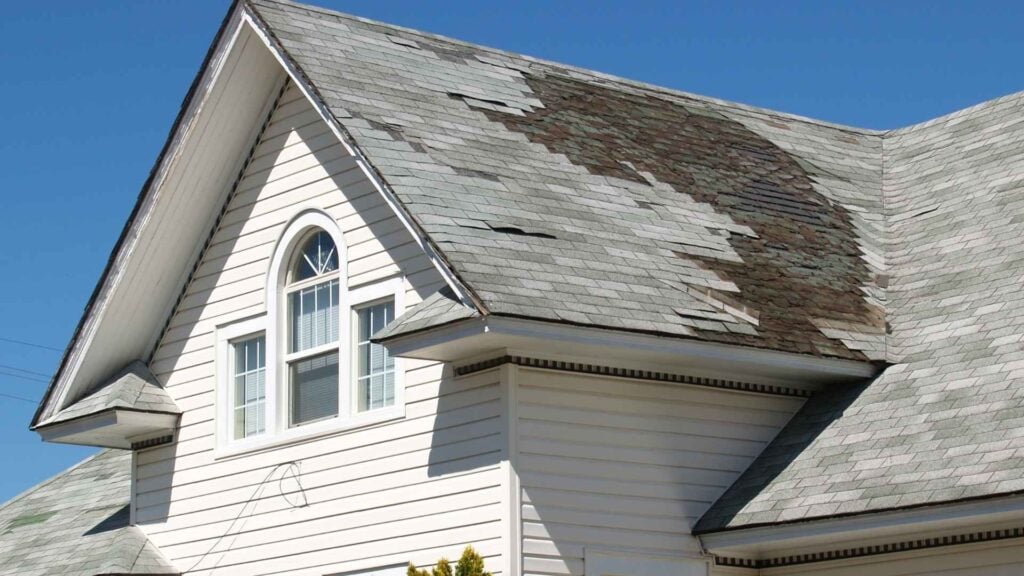
When most homeowners think about a roof, they picture shingles — color, texture, warranty, maybe even the style that looks best with their siding. But beneath those shingles lies one of the most important parts of your roof: the decking, also called Sheathing.