
How to Choose the Right Roofing Material for Your Quad Cities Home
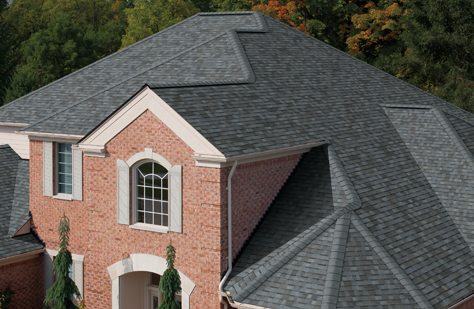
Picking the right roofing material matters in the Quad Cities affects how long your roof lasts, how comfortable your home stays, and how your house looks on the block. This guide walks you through the most common options, how local weather affects your choice, cost and lifespan comparisons, design considerations, and why Peterson Roofing is a trusted local partner for roofing projects. Our goal is to help you make a clear, confident decision for your home. Most Popular Roofing Materials for Quad Cities Homes Asphalt Shingles: Affordable and easy to install, asphalt shingles come in many colors and styles, so they work for lots of homes and budgets. Metal Roofing: Long‑lasting and energy efficient, metal handles Midwest storms and temperature swings very well. Tile Roofing: Durable and distinctive, tile can last for decades but usually requires extra structural support because of its weight. Wood Shakes: Offers a natural, warm look. Beautiful when well‑maintained, but needs more upkeep and is less fire resistant. Composite Roofing: Engineered to mimic the look of wood or slate while offering greater durability and lower maintenance. Each choice has trade‑offs in cost, lifespan, and care — match the material to your budget, the house style, and how much maintenance you want. Asphalt Shingles: Which Types Work Best for the Quad Cities? Asphalt shingles are a go‑to choice because they balance cost and protection. The two common varieties are: 3‑Tab Shingles: A basic, flat look at a lower price. They work well on many homes but tend to have shorter lifespans and less resistance to severe weather. Architectural Shingles: Thicker with a dimensional appearance. Built to handle tougher wind and hail conditions, they’re often the better choice in our variable Quad Cities climate. Both styles come in many colors and profiles, so you can find one that complements your home while providing solid protection. Metal Roofing: Benefits and Considerations for the Midwest Metal roofing has become popular here because it offers several clear advantages: Durability: Metal roofs often last 40–70 years — much longer than typical asphalt. Energy Efficiency: Reflective metal surfaces can reduce cooling loads in summer. Weather Resistance: Metal stands up well to wind, hail, snow, and ice — all common in the Quad Cities. That said, metal usually costs more up front and can be louder in heavy rain or hail unless you add proper insulation. Weigh those trade‑offs against the long service life and lower maintenance. Cool Roof Benefits: “Energy Savings & Comfort Increasing roof reflectivity from about 10–20% up to roughly 60% can cut cooling‑energy use in buildings by more than 20%. Cool roofs also lower surrounding air temperatures, reducing air‑conditioning needs and helping slow smog formation. In climates with significant cooling demand, raising roof solar reflectance reduces energy consumption in cooled buildings and improves comfort in non‑conditioned spaces.” Cool color roofing materials, R Levinson, 2006 If noise is a concern, proper underlayment and insulation will minimize it — an important step if you choose metal for its lifespan and performance. How Local Climate and Weather Affect Your Roofing Choice The Quad Cities see heavy snow, ice, hail, and strong winds at different times of year. Those conditions should guide the materials you consider. How Snow, Ice, Hail, and Wind Impact Roof Durability Snow and ice can create ice dams that force water under shingles. Hail can dent or crack softer materials, and strong winds can lift or blow off shingles. Choosing a material and installation method that address these threats helps avoid leaks and premature replacement. Which Materials Offer the Best Impact and Weather Resistance? For impact and weather resistance, metal roofing and architectural asphalt shingles are strong contenders. Metal tolerates heavy snow and high winds, while architectural shingles offer improved wind uplift and better hail protection than basic 3‑tab shingles. Prioritize these options if resilience is your top concern. Comparing Roofing Materials: Cost, Lifespan, and Maintenance Cost Range and Long‑Term Value: Asphalt vs. Metal Material Initial Cost Lifespan Maintenance Long-Term Value Asphalt Shingles $90-$120 per square 15-30 years Moderate Lower Metal Roofing $150-$350 per square 40-70 years Low Higher Maintenance Needs and Warranty Differences Maintenance varies by material. Asphalt roofs typically need periodic inspections and spot repairs. Metal roofs generally require less routine care and often come with longer manufacturer warranties. Think about how much upkeep you want and how long you plan to keep the house when choosing. Aesthetics and Home Style: Matching Roof to House Which Materials Complement Quad Cities Architectural Styles? The right roofing material should fit the home’s architecture. Traditional homes look great with asphalt shingles or wood shakes. Modern houses pair well with sleek metal. Craftsman homes often benefit from composite or wood shake options that support a warm, handcrafted look. Design Options for Composite, Slate, and Tile Roofs Composite, slate, and tile roofs offer strong visual impact. Composite roofing can convincingly imitate wood or slate while being easier to maintain. Slate is elegant and extremely long‑lived — often lasting more than 100 years. Tile brings a Mediterranean or Spanish look that stands out. Consider these materials when curb appeal and longevity are priorities. Why Choose Peterson Roofing for Your Quad Cities Project? What Sets Peterson Roofing Apart? Peterson Roofing is family owned and focused on doing the job right. Founded by Jody Peterson and now led by his son Ryan, we handle installations, repairs, and storm‑damage work with local know‑how. Our team knows Quad Cities weather and matches materials and installation methods to what actually performs here. Ready for a New Roof? Get Your Free Estimate! Don’t wait to secure your home with top-quality roofing in the Quad Cities in the Quad Cities. Peterson Roofing provides expert installation, durable materials, and personalized service tailored to our unique climate. Whether you need repairs, a full replacement, or just want to explore your options, our team is ready to help. Contact us today for a free, no-obligation estimate and experience the Peterson Roofing difference.
Complete Guide to Roofing in Quad Cities: What Every Homeowner Should Know
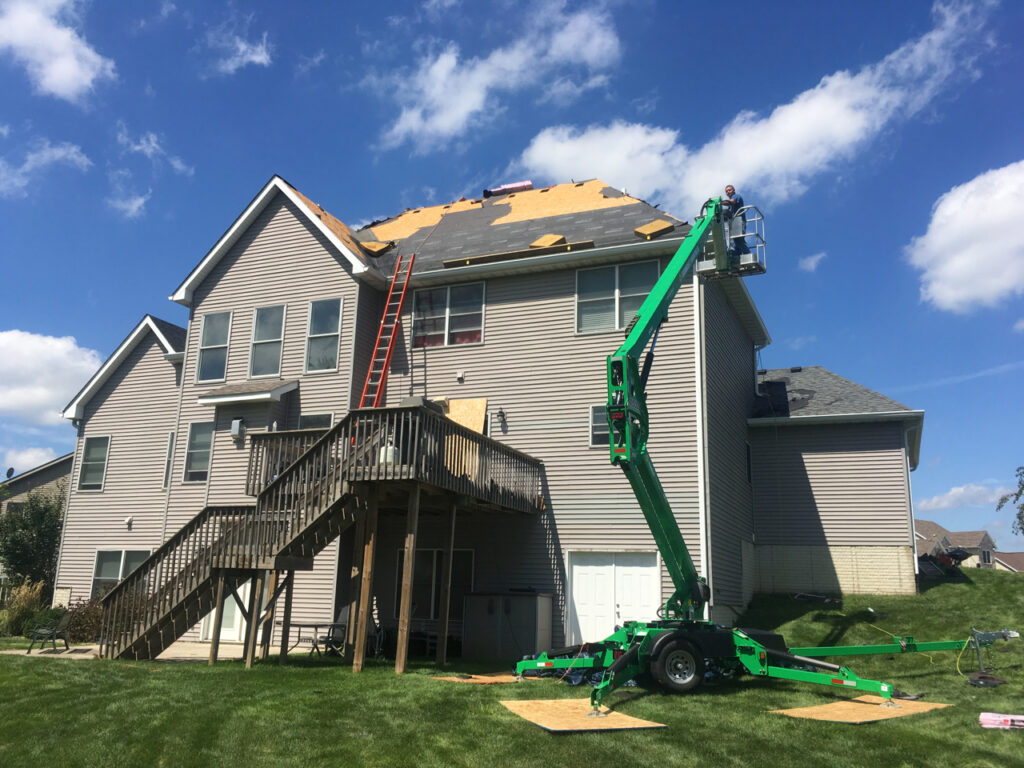
Roofing Quad Cities is critical for home maintenance, where harsh weather demands durable protection. This guide equips homeowners with essential knowledge on replacement signs, costs, material options, and contractor selection. Understanding these elements ensures informed decisions, adequate protection, and longevity for your roof, covering the replacement process and storm damage effectively. What Are the Signs You Need a New Roof in Quad Cities? Recognizing roof replacement signs is crucial for home integrity, especially in the Quad Cities where weather accelerates wear. Vigilance prevents extensive damage and costly repairs. How to Identify Roof Damage and Leaks Early Early identification of roof damage saves significant costs. Look for: Missing or Damaged Shingles: Cracked, curled, or missing shingles. Water Stains on Ceilings: Interior stains indicate potential roof leaks. Granules in Gutters: Shingle granules suggest an aging roof. Proactive attention prevents severe issues. What Is the Average Roof Lifespan for Quad Cities Homes? Roof lifespan varies by material and climate. In the Quad Cities, common materials offer these average lifespans: Material Average Lifespan Asphalt Shingles 20-30 years Metal Roofing 40-70 years EPDM Roofing 20-30 years Regular maintenance and inspections extend roof life and effectiveness. How Much Does Roof Replacement Cost in Quad Cities? Understanding roof replacement costs is essential for planning. Prices vary based on materials, roof size, and labor. What Factors Affect Roof Replacement Pricing? Key factors influencing Quad Cities roof replacement costs include: Material Choice: Asphalt shingles are generally more affordable than metal roofing. Roof Size and Pitch: Larger or steeper roofs require more materials and labor. Labor Costs: Local labor rates impact total installation cost. Consider these factors for financial preparation. What Financing Options Are Available for Roof Replacement? Various financing options can manage roof replacement costs: Home Equity Loans: Borrow against home equity. Personal Loans: Unsecured loans for necessary funds. Payment Plans: Contractor-offered installment plans. These options make roof replacement more financially manageable. Which Roofing Materials Are Best for Quad Cities Homes? Selecting the right roofing material is crucial for durability and performance in the Quad Cities’ climate. Homeowners should understand their options, each with unique benefits and drawbacks. What Are the Benefits of Asphalt Shingles and Owens Corning Products? Asphalt shingles are popular for their affordability and easy installation. Benefits include: Cost-Effectiveness: Generally less expensive. Variety of Styles: Customizable colors and styles. Durability: Quality products, like Owens Corning, offer warranties and proven performance. Owens Corning products are known for energy efficiency and long-lasting durability. How Do Metal and EPDM Roofs Compare for Quad Cities Weather? Metal and EPDM roofs are excellent for the Quad Cities, each with distinct advantages: Metal Roofing: Offers longevity (up to 70 years), severe weather resistance, and heat reflection for energy savings. EPDM Roofing: A durable rubber material, resistant to UV and extreme temperatures, ideal for flat/low-slope roofs, lasting 20-30 years. Both provide excellent protection against local climate elements. How Does the Roof Replacement Process Work in Quad Cities? Understanding the roof replacement process helps homeowners prepare for key stages, from initial inspections to final cleanup. What Permits and Local Regulations Should Homeowners Know? Before roof replacement, homeowners must know Quad Cities’ local regulations and permits: Building Permits: Required by most municipalities for code compliance. Inspections: Mandated in some areas during and after installation to verify safety standards. Familiarity avoids delays and ensures a smooth process. What Are the Key Stages of Installation and Cleanup? The roof replacement process includes these key stages: Preparation: Removal of old roofing and deck preparation. Installation: New materials installed per manufacturer specifications. Cleanup: Post-installation debris removal and site tidying. Understanding these stages builds homeowner confidence. How Can You Repair Storm Damage on Your Quad Cities Roof? Storm damage poses significant risks to roof integrity. Identifying and addressing these issues is essential for Quad Cities homeowners. What Are Common Storm Damage Signs Like Hail and Wind Effects? After a storm, inspect your roof for damage signs: Dents or Dings: Hail damage to metal or shingles. Missing Shingles: High winds can expose the roof to leaks. Debris Accumulation: Branches or debris causing punctures or blocked drainage. Early identification mitigates further damage. How to Navigate Insurance Claims and Emergency Repairs? If storm damage occurs, take these steps: Document the Damage: Photograph and note visible damage for insurance. Contact Your Insurance Provider: Report damage and inquire about coverage. Seek Emergency Repairs: For immediate risks, contact a qualified contractor to prevent further issues. These steps ensure necessary support and repairs post-storm. How Do You Choose the Best Roofing Contractor in Quad Cities? Selecting a qualified roofing contractor is crucial for a successful replacement. Homeowners should consider several factors. What Certifications and Local Reputation Should You Look For? When evaluating contractors, look for: Certifications: Relevant certifications, like Owens Corning Preferred Contractor, indicate quality. Local Reputation: Research reviews and testimonials for reliability and workmanship. A contractor with a solid reputation and proper certifications ensures a satisfactory roofing experience. Which Questions Should You Ask Your Roofing Contractor? Before hiring, ask your contractor: What is your Quad Cities roofing experience? Can you provide client references? What warranties do you offer on materials and workmanship? These questions help assess qualifications and ensure an informed decision. Ready for a Durable Roof in Quad Cities? Don’t wait for minor issues to become major problems. Whether you need a new roof, storm damage repair, or just a professional inspection, our experts in roofing Quad Cities are here to help. Ensure your home’s protection and longevity with quality materials and trusted craftsmanship. Contact us today for a free consultation and secure your peace of mind!
Hidden Warning Signs Your Roof Is Aging Faster Than You Think: Essential Roof Deterioration Signs for Homeowners
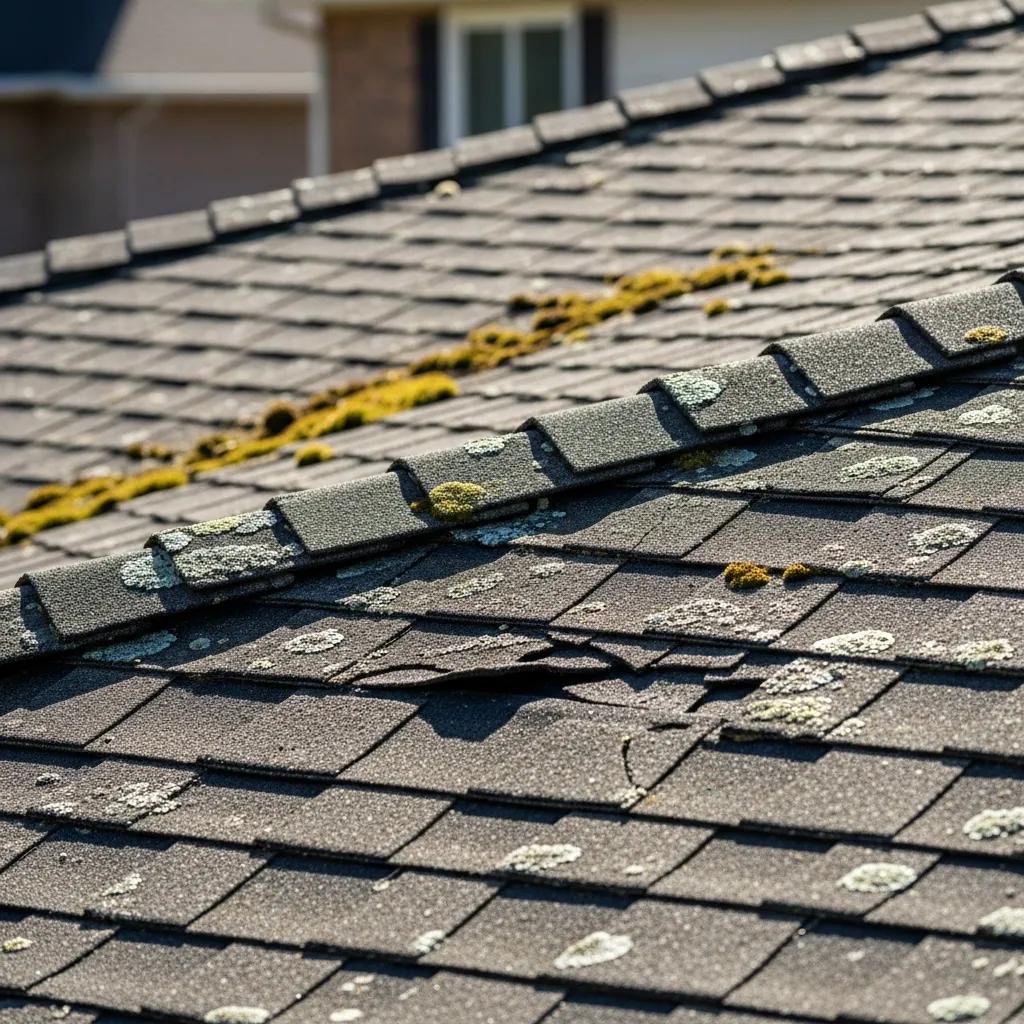
Premature roof aging leads to leaks, structural risks, and unexpected replacement costs. Early detection of subtle surface changes saves money and time. This guide helps homeowners spot hidden warning signs, understand their causes, and outlines next steps for inspection, repair, or replacement, with region-specific advice for roofing Rock Island. What Are the Most Common Signs of Roof Aging and Deterioration? Early recognition of roof aging signs allows for targeted repairs. Deterioration often starts at exposed surfaces due to UV, moisture, wind, and wear. Homeowners should inspect for: Curling, cracked, or missing shingles: surface deformation exposing underlayment and allowing water intrusion. Granule loss and bald spots: reduced UV protection and accelerated shingle wear. Water stains, leaks, or mold inside: indications of exterior material failure. Sagging roofline or soft spots in the attic: possible structural compromise. Moss, algae, or mold growth: biological agents retaining moisture and lifting shingles. How Can Water Stains and Leaks Reveal Hidden Roof Damage? Interior water stains, active drips, and attic dampness strongly indicate failed exterior roofing components. These often originate at roof penetrations or failed flashing. Homeowners should contain drips, document stains, and check the attic for damp insulation or sheathing. Interior leak indicators include discolored ceiling patches, wet insulation, and musty odors. Damaged flashing from corrosion or sealant breakdown is a common cause, requiring professional replacement or resealing. Why Is a Sagging Roofline a Critical Indicator of Structural Issues? A sagging roofline indicates compromised roofing materials or underlying structure, posing an urgent risk of interior damage or collapse. It results from moisture-induced decking rot, compromised truss/rafter joints, or prolonged leaks. Early detection involves measuring the roof plane, observing attic soft spots, and checking for ceiling drywall nail pops. Ignoring a sagging roof increases risks of progressive structural failure and higher repair costs. A prioritized assessment is crucial. How Do Moss, Algae, and Mold Growth Affect Roof Longevity? Moss, algae, and mold retain moisture, lift shingles, and accelerate material breakdown, shortening roof life and increasing leak risk. Visual signs include green moss mats, black-green algae streaks, and speckled mold discoloration, often in shaded or damp areas. These growths accelerate aging by promoting freeze-thaw damage and allowing water infiltration. Effective management involves safe removal, regrowth-inhibiting treatments, and corrective measures like trimming trees and improving drainage. When Should Homeowners Consider Roof Replacement Instead of Repair? Consider roof replacement over repair when systemic failure is evident: advanced age, multiple recurring leaks, extensive granule loss, or widespread shingle/decking rot. Roof age and lifespan factors (material type, installation, exposure) influence this, with asphalt shingles typically lasting 15–30 years. Increased energy bills can also signal degraded insulation or ventilation, indicating a need for roof evaluation. This framework helps homeowners weigh immediate repair costs against long-term value.Replacement decision checklist: Age meets or exceeds expected lifespan. Recurring leaks in multiple locations. Widespread granule loss or curling. Decking rot or structural compromise. Peterson Roofing uses local experience to assess storm damage and recommend season-appropriate measures for Rock Island’s freeze-thaw cycles. They emphasize clear diagnostics, insurance documentation, and practical maintenance plans. Peterson Roofing offers guaranteed free estimates and leverages its Owens Corning Preferred Contractor status and BBB A+ accreditation for quality assurance. How Does Local Weather Impact Roof Aging and Damage? Rock Island’s regional climate (freeze-thaw, severe storms, hail, wind, heavy rains) accelerates roof aging. Homeowners must address hailstorms, wind events, and spring freeze-thaw cycles. Peterson Roofing uses local experience to assess storm damage and recommend season-appropriate measures for roofing Rock Island, emphasizing clear diagnostics and practical maintenance plans. Ready to Safeguard Your Home? Schedule Your Free Roof Inspection Today! Recognizing the signs of roof aging is crucial for maintaining the integrity of your home and avoiding costly repairs. By understanding the indicators of deterioration, such as curling shingles and water stains, homeowners can take proactive steps to extend their roof’s lifespan. Engaging with local experts like Peterson Roofing ensures tailored solutions that address specific regional challenges. Don’t wait for leaks to appear; schedule a roof inspection today to safeguard your investment. Protect Your Investment – Get a Free Estimate! Don’t let hidden damage turn into costly repairs. Contact Peterson Roofing at 563-386-8613 or bestroof@petersonroofing.com for a comprehensive, no-obligation roof assessment.
Why Proper Drainage And Gutters Matter For Your Home
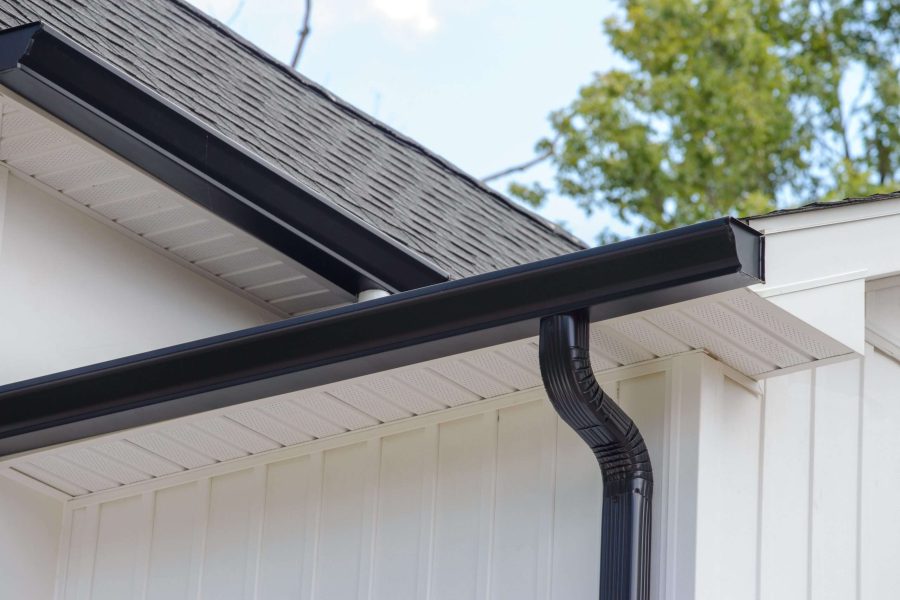
Why Proper Drainage And Gutters Matter For Your Home For homeowners, roofing Davenport homes can be challenging when it comes to keeping rainwater under control, especially during heavy storms. When water pools near your foundation or spills over clogged gutters, it can quickly lead to leaks and damage. What may seem like a small issue often turns into major problems over time. That’s why having a reliable gutter and drainage system is so important. Whether your home is brand-new or decades old, knowing how these systems work helps you prevent costly repairs and preserve your home’s strength for years to come. They Protect Your Foundation Your foundation supports your entire home. When rainwater isn’t directed away, it seeps into the soil around it. Over time, the moisture causes the ground to expand, contract, and shift, placing stress on the concrete. Cracks and uneven settling can develop, threatening the stability of your home. A well-designed gutter system prevents this by channeling water safely away. Downspouts positioned several feet from the foundation reduce pooling and pressure. Even small adjustments, like adding splash blocks or extensions, can make a big difference. Consistent soil moisture keeps your floors level and your foundation strong. They Prevent Roof and Fascia Damage Your roof can only protect your home if water flows freely off it. Clogged or undersized gutters trap rainwater, forcing it to back up under shingles. This water seeps into the roof deck and fascia, causing rot and decay. Routine cleaning and inspection keep gutters clear. Installing properly sized, durable gutters ensures they can handle heavy rainfall. Materials such as aluminum or steel resist rust and last for years. When water flows smoothly from roof to gutter, you prevent leaks and costly roof repairs. Regular maintenance protects one of your home’s most important systems. They Protect Your Basement and Interior Spaces Water issues outside can quickly become problems inside. When gutters overflow or drainage fails, water seeps into basements or crawl spaces. Even minor leaks lead to damp walls, mold, and unpleasant odors. Persistent moisture weakens flooring and insulation and can harm indoor air quality. Effective drainage directs water away before it reaches your foundation. Downspouts that discharge too close to the house are often the culprit. Redirecting them farther out or using underground extensions helps keep basements dry. Less moisture means a healthier, safer home for your family. They Preserve Your Landscaping and Exterior Your landscaping enhances your home’s beauty and value, but heavy rain can wash it away without proper drainage. Runoff erodes soil, uproots plants, and damages walkways or patios. Over time, it reshapes your yard and exposes tree roots. A balanced drainage system controls how water moves across your property. By channeling runoff through safe paths, you protect lawns, gardens, and hardscapes. Preventing puddles also reduces mosquito breeding and standing water damage. Good drainage keeps your yard attractive and functional year-round. They Prevent Ice Dams and Winter Damage Cold weather brings its own challenges. When gutters clog or hold water, ice dams form along the roof edge. These frozen ridges trap melting snow, forcing water back under shingles. The result can be roof leaks, warped shingles, and interior stains. Properly sloped gutters, combined with insulation and ventilation, prevent this issue. Cleaning gutters before winter ensures water can flow freely during freeze-thaw cycles. Good drainage protects your home through every season, not just during heavy rains. They Increase the Lifespan of Your Roof and Home When water drains away as it should, every part of your home benefits. Dry siding, paint, and trim last longer. Less moisture exposure means fewer repairs and less rot. Over time, this extends the life of your roof and structure. Quality gutters and proper drainage are small investments that deliver long-term savings. They reduce repair costs, preserve home value, and provide peace of mind. Keeping water under control is one of the smartest ways to protect your property. Protect Your Home with Peterson Roofing If your gutters overflow, sag, or show signs of wear, you’re likely already dealing with the frustration of water pooling around your home or seeping into unwanted places. These problems can make you worry about long-term damage and costly repairs. You’re not alone—many homeowners face the same challenge, unsure how to stop it for good. That’s where expert help makes all the difference. At Peterson Roofing, we’ve spent more than 45 years helping homeowners protect their properties from water damage. Our team installs, repairs, and maintains high-quality gutter systems built to last. We also offer gutter guards to keep debris out and drainage solutions tailored to your home. We proudly serve families throughout the Quad Cities with the same care we’d expect for our own homes. When it comes to the best roofing Davenport has to offer, contact Peterson Roofing at 563-386-8613 for a free estimate and discover how proper gutters and drainage can safeguard your home for years to come.
A little history of Peterson Roofing

A Legacy Built on Trust For more than 45 years, Peterson Roofing has been a trusted name in the Quad Cities. What began as a small, family-owned business has grown into a company known for quality craftsmanship and honest service. From roofing and siding to gutters and windows, Peterson Roofing continues to protect homes and build lasting relationships. This is the story of how a family’s dedication shaped one of the most respected home improvement companies in the Midwest—a company proud to be part of the roofing Davenport community. The Beginning: How It All Started In the early 1980s, Jody Peterson founded Peterson Roofing with one goal—to offer homeowners dependable roofing and exterior services built on integrity and trust. Jody believed in doing things the right way, not the fast way. Every nail, every shingle, and every handshake mattered. At first, it was just Jody, his truck, and his tools. He worked long hours on rooftops through all kinds of weather, determined to earn his customers’ trust one job at a time. His reputation spread quickly, not because of advertising, but through word-of-mouth from homeowners who appreciated his honesty and craftsmanship. While many companies chased quick profits, Jody built relationships. Success, to him, meant knowing a family could rest easy under a roof he installed. That commitment to people over profits became the foundation of Peterson Roofing’s reputation and values. Passing the Torch: The Next Generation of Excellence As Peterson Roofing grew, Jody’s son, Ryan Peterson, developed a strong interest in the family business. After finishing college, he joined full-time, ready to continue his father’s legacy while introducing new ideas for growth and innovation. Ryan respected the values his father built—hard work, honesty, and personal service—but he also saw ways to modernize. Roofing technology was advancing, and customers expected more efficiency and communication. Ryan introduced new equipment, training, and customer support systems to make projects smoother from start to finish. Under Ryan’s leadership, Peterson Roofing blended tradition with innovation. The company expanded its services, refined installation techniques, and strengthened its focus on long-term quality. Even as it evolved, Peterson Roofing never lost its family-first approach—treating every home as if it were their own. Built on Experience: What 45 Years Have Taught Us After more than four decades in business, Peterson Roofing has gained unmatched insight into what makes a roof last. The company has faced countless storms—both literal and economic—and has always stayed true to its mission of doing right by homeowners. Lessons from Decades of Roofing Excellence Experience has shown the Peterson team that a quality roof requires more than just durable materials. It takes skilled craftsmanship, attention to ventilation, and care for long-term performance. Over the years, the company has fine-tuned its methods to withstand the Midwest’s unpredictable weather. Peterson Roofing’s product selection process focuses on performance, reliability, and manufacturer support. Only proven materials make the cut, ensuring fewer callbacks and longer-lasting roofs. Their crews also follow every manufacturer guideline and, more importantly, understand why roofs fail—a knowledge gained from decades of hands-on experience. Expanding the Vision: More Than Roofing As customer needs grew, Peterson Roofing expanded beyond roofs into siding, gutters, windows, doors, and decks. This natural evolution allowed the company to offer complete exterior solutions while maintaining the same standard of care and precision. From refreshing homes with durable siding to improving comfort through energy-efficient windows, every project reflects the Peterson commitment to quality. Their “We’ve Got You Covered” approach gives homeowners peace of mind, knowing one trusted team can handle their entire exterior project The Peterson Promise: What Sets Us Apart For the Peterson family, roofing has always been about more than shingles—it’s about trust. Every homeowner receives honest pricing, clear communication, and no-down-payment service. Peterson Roofing stands by its work, offering free estimates and limited lifetime warranties for lasting confidence. The company also helps homeowners navigate insurance claims after storms, ensuring fair coverage and smooth repairs. Local inspectors and builders even choose Peterson Roofing for their own homes—a testament to its integrity and expertise. At its core, Peterson Roofing’s promise remains the same: to protect what matters most while treating every homeowner like family. That honesty continues to define the business and fuel its success. Protect Your Home With a Trusted Local Name From its humble beginnings to becoming a leader in exterior home improvement, Peterson Roofing remains dedicated to excellence, integrity, and personal service. If you’re looking for dependable roofing Davenport homeowners can trust, turn to the team that’s been earning confidence for generations. Call today for your free, no-obligation estimate and discover why Peterson Roofing continues to stand strong—where family values, craftsmanship, and trust have stood the test of time.
Winter Roof Prep 101 — How Quad Cities Homeowners Can Stay Dry All Season Long
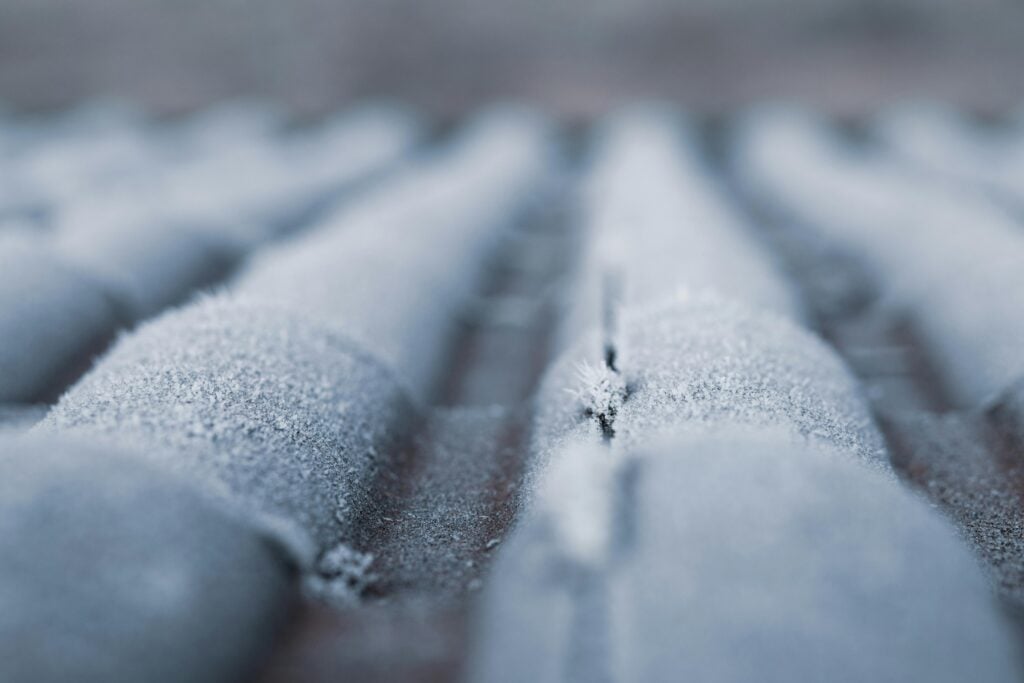
The first snowflake might look pretty—but for your roof, it’s a test. Ice, wind, andtemperature swings can expose small problems that turn into major leaks by February.The good news? A ten-minute inspection this fall can keep you cozy all winter. Step 1: Start from the Ground Up Walk around your house and look up. Are any shingles missing or curling? Do you seedark streaks or dips? Those are weak spots that may not survive the next freeze-thawcycle. Step 2: Clean Those Gutters Clogged gutters cause ice dams—the enemy of Midwest roofs. Water backs up undershingles, freezes, and pries them apart. Clear leaves and debris now so melting snowcan flow freely. Step 3: Check the Attic Grab a flashlight and head inside. Look for damp insulation, frost on nails, or daylightthrough the boards. Those are signs your roof deck or ventilation needs attention.Proper airflow keeps both your attic and your heating bill healthy. Step 4: Seal Vents & Flashings High winds in Davenport and Rock Island love to lift flashing and vent boots. Resealcracked caulking and tighten loose fasteners before the first freeze. Step 5: Call in the Pros Even a confident DIYer can miss subtle issues. A professional roof inspection includesmoisture-meter testing, fastener checks, and thermal imaging to spot hidden leaks.Most inspections cost less than a family dinner out—and can prevent thousands inwater damage. Bonus Tip: Think Ahead If your roof is 15 years old or older, winter prep is the best time to budget forreplacement. Scheduling early spring work often gets you better prices and moreflexible timing. Don’t wait for a thaw to find a leak. A pre-winter inspection today means peace of mind all season long.Peterson Roofing proudly serves homeowners in the Quad Cities, helping families keepwarm, dry, and confident no matter what Iowa weather throws their way.
Tear-Off vs. Overlay — Which Roof Replacement Makes Sense for Your Quad Cities Home?
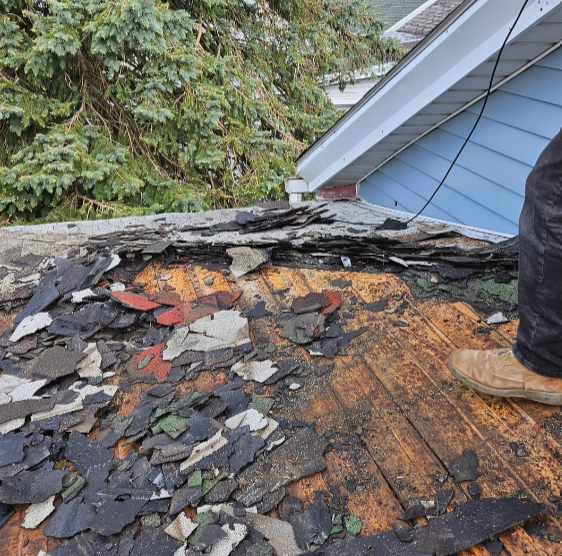
When your roof shows its age, you face a big decision: tear off the old shingles orinstall new ones right over the top. In the Quad Cities, local code allows twolayers—but that doesn’t mean it’s a good idea. What a Roof Overlay Actually Is An overlay (or recover) adds a new layer of shingles over the existing one. It soundssimple and cheaper—and initially, it is. You skip tear-off labor, disposal, and newunderlayment. But you also skip your one chance to inspect what’s underneath. Hidden issues like rotted decking, loose flashing, or trapped moisture remainsealed inside. Out of sight, out of mind—until the next storm. The Case for a Full Tear-Off A tear-off strips everything to the wood decking. That gives your roofer a clean slate to: ● Replace damaged boards or rot● Install modern ice-and-water shield barriers● Re-flash chimneys and vents● Nail shingles exactly where the manufacturer intends This approach restores your warranty, improves ventilation, and extends the life of yourroof—often by a decade or more. The True Cost Comparison Yes, tear-offs cost a bit more upfront (roughly 10–20% more). But overlays often failsooner, require another tear-off later, and can make your roof heavier—sometimes tooheavy for older trusses. When you add labor and disposal from doing the job twice, the“savings” disappear. Curb Appeal & Resale Value Buyers notice a wavy or uneven roof line. That’s a hallmark of an overlay. A clean tear-off installation not only performs better but also looks crisper, adding instant curb appealand confidence during resale inspections. The Local Takeaway We’ve replaced hundreds of roofs across Bettendorf, Moline, and East Moline. Everytime we open an old roof, we find something an overlay would have hidden—softdecking, bad flashing, or even squirrel damage. In roofing, shortcuts always cost more later. If you’re not sure which route makes sense, let’s inspect together. We’ll show youwhat’s under there so you can make an informed decision.
Roof Decking 101: Why the Wood Under Your Shingles Matters More Than You Think
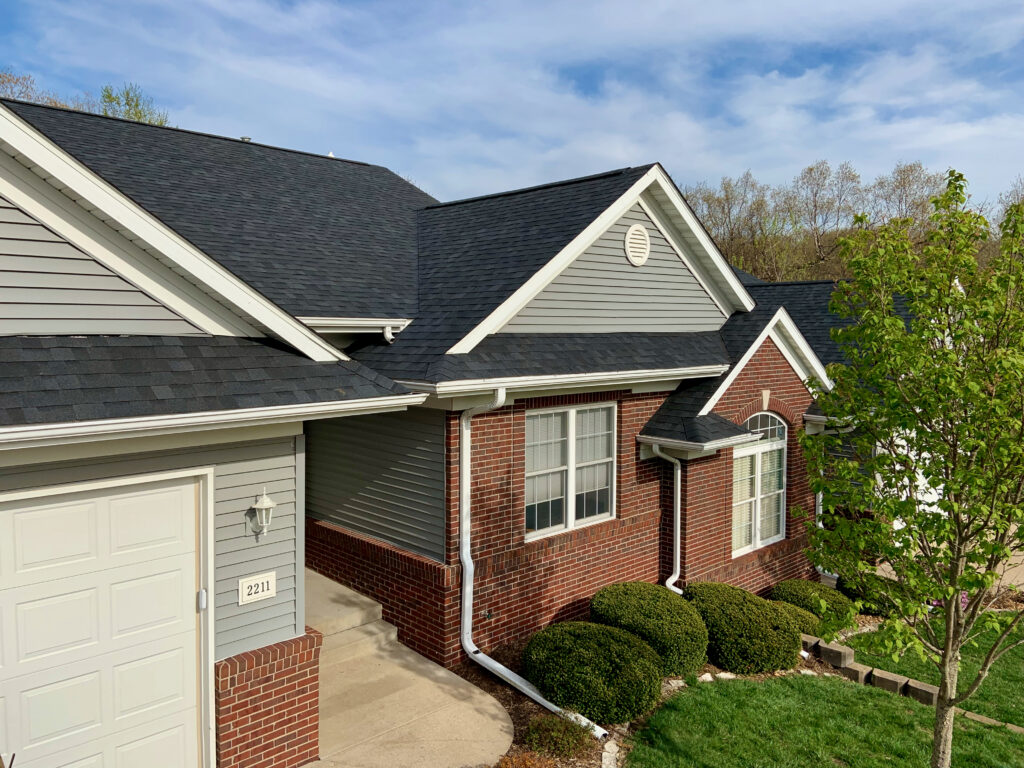
When most homeowners think about a roof, they picture shingles — color, texture,warranty, maybe even the style that looks best with their siding. But beneath thoseshingles lies one of the most important parts of your roof: the decking, also calledsheathing. This hidden layer is what your entire roofing system depends on for strength andstability. It’s what your shingles, nails, and underlayment all attach to. And if yourdecking isn’t sound, your new roof is only as strong as the weakest board beneath it. What Is Roof Decking, Exactly? Decking is the layer of wood that covers your home’s rafters. It forms the base thatsupports your roofing materials. In older homes — especially those built before the1960s — decking was often made from 1×6 or 1×8 wooden boards spaced slightlyapart. Those boards did their job back in the day, but time and technology havechanged. Today, most new roofs are installed on plywood or OSB (oriented strand board)sheets. These modern materials create a smooth, continuous surface, which helpsshingles adhere better and ensures a tighter seal against water. Why Decking Quality Matters Every nail that holds your shingles must go through solid wood. If there are gapsbetween planks, rot, or delaminated plywood, nails can miss or pull loose. That leads tolifted shingles, leaks, or wind damage — exactly what you don’t want during a QuadCities thunderstorm. If your home has been re-roofed several times, the wood may already be full of old nailholes. Over the years, moisture seeps into those spots, softening the wood and weakening the hold. Once that happens, there’s no patch strong enough to reverse it.That’s when a new layer of decking becomes a must. Signs You Might Need New Decking • Shingles look uneven or wavy• You hear squeaks or creaks from your roofline• Water stains appear on ceilings or attic boards• The roof feels “spongy” when walked on• There are visible gaps between boards when seen from the attic Modern Solutions: OSB vs Plywood Both materials work well, but each has benefits. • OSB: More affordable, uniform, and used in most new construction.• Plywood: Slightly stronger, handles moisture better, and easier to repair in smallsections. A quality roofing contractor will evaluate your existing deck and recommend the rightmaterial for your structure and budget. The Bottom Line Your decking is the unsung hero of your roof. Without a solid base, even the mostexpensive shingles can fail prematurely. If you’re investing in a new roof, take the timeto inspect and replace any questionable wood. It’s the foundation for decades ofprotection.