
When Is It Time to Replace Your Roof?
Post View Transcript If you’re a homeowner wondering whether your roof is still protecting your home—or quietly failing—you’re not alone. Knowing the early warning signs can save you thousands in repairs. Inspired by insights from roofing experts Jody Peterson and Ryan Peterson of Peterson Roofing, we break down exactly what to look for. If you’re searching for guidance from the best roofer Davenport IA has to offer, you’re in the right place. Understanding the Lifespan of Your Roof Most asphalt shingle roofs are designed to last anywhere from 20 to 50 years, depending on the type and environmental conditions. While modern architectural shingles boast longer warranties, real-world factors like weather exposure, roof pitch, and ventilation can significantly shorten that lifespan. Ryan Peterson explains, “Shingles are made much better these days, but after about 20 years, you’re going to start seeing wear—especially on the sides that get the most sun.” In regions like Iowa, harsh winters, freeze-thaw cycles, hailstorms, and strong winds all accelerate wear and tear. Key Warning Signs Your Roof Needs Replacement 1. Age of the Roof If your roof is over 20–25 years old, it’s likely nearing the end of its useful life—even if it still looks okay from the ground. Jody Peterson puts it simply: “If you know your roof is 20 to 25 years old, that’s a pretty good indicator it might be time.” 2. Granule Loss Shingles are coated with protective granules that reflect sunlight and protect the asphalt underneath. If you notice granules collecting in your gutters or downspouts, it’s a strong indicator your roof is deteriorating. Jody explains, “Toward the end of a roof’s life, those granules start coming off faster—you’ll see them washing out of your downspouts.” 3. Curling or Buckling Shingles Shingles that are curling, warping, or buckling often point to aging or poor attic ventilation. Excess heat can “bake” shingles from below, causing them to deform. Ryan adds, “If your attic is too hot, it bakes the shingles from underneath—that’s what causes that curling and buckling.” 4. Missing Shingles Finding pieces of shingles in your yard is never a good sign. It usually means the adhesive seal has failed, and more damage is likely to follow. Jody warns, “If you’re seeing shingles in your yard, the sealant has failed. That’s a major issue.” 5. Leaks and Water Stains Water stains on ceilings or walls are often the result of roof leaks. By the time you notice interior damage, the problem may already be serious. Jody notes, “If you’re seeing stains inside, you’ve probably waited too long already.” 6. Daylight Through the Roof If you can see sunlight coming through your attic (outside of vents), it likely indicates holes or structural damage that need immediate attention. Ryan explains, “Some light is normal near vents—but if you see light through the roof itself, that’s a problem.” The Impact of Weather on Roof Longevity Extreme weather plays a major role in how long your roof lasts. According to roofing experts, Iowa’s climate is particularly harsh. Freeze-thaw cycles cause materials to expand and contract, weakening shingles. Hailstorms strip away protective granules. High winds can lift or completely remove shingles. Jody highlights, “All that expansion and contraction eventually breaks shingles apart,” while Ryan adds, “It’s a tough climate—you really need to check your roof regularly.” These factors make regular inspections essential for homeowners in the region. Repair or Replace? How to Decide Not all damage means you need a full replacement. Minor issues—like flashing problems around vents or chimneys—can often be repaired easily. However, widespread shingle failure, structural damage, or recurring leaks typically signal it’s time for a full roof replacement. Jody explains, “A small hole in the wrong place can still let in a lot of water—it doesn’t take much to cause serious damage.” A professional inspection can help you determine the right course of action without unnecessary expenses. The Value of a Professional Inspection A trustworthy roofing contractor will provide an honest assessment of your roof’s condition. The best inspections include detailed visual checks, photo documentation, clear explanations of findings, and no-pressure recommendations. Ryan emphasizes their approach: “We’ll tell you honestly if you need a new roof—or if you don’t.” This transparency helps homeowners make informed decisions about repairs or replacements. Key Takeaways Roofs typically last 20–25 years before showing major wear. Granule loss is one of the earliest signs of deterioration. Curling shingles often indicate ventilation problems. Missing shingles suggest your roof is near failure. Weather conditions significantly impact roof lifespan. Regular inspections can prevent costly damage. Protect Your Home with Smart Roof Decisions Your roof is one of the most important parts of your home, and ignoring early warning signs can lead to costly consequences. Whether you’re dealing with aging shingles, storm damage, or just uncertainty, getting expert advice is always the best next step. If you’re looking for trusted guidance, working with the best roofer Davenport IA has to offer ensures you get honest answers and quality workmanship when it matters most. FAQs How often should I have my roof inspected? At least once a year, and after any major storm. Can I replace just a few shingles instead of the whole roof? Yes—if the roof is relatively new and damage is minimal. What’s the most common cause of roof failure? Aging combined with weather exposure, especially in harsh climates. Are “lifetime” shingles really lifetime? Not exactly. While warranties may last decades, visible wear often begins after 20 years. Is a small leak something I can ignore? No. Even minor leaks can lead to major structural damage if left untreated. Mike Downer: Hi, everybody. Welcome to Roots to Renovation. I’m your host, Mike Downer. Today, I am joined by Jody Peterson, founder and CEO of Peterson Roofing, and his very handsome son, Ryan Peterson, who is also the CEO of Peterson Roofing. How are we doing today, guys? Jody Peterson: Doing good. Mike Downer: You’re ready to get me off your computer so you can get out there and
Is It Time to Replace Your Roof? A Practical Guide Every Homeowner Should Read
Most homeowners don’t think about their roof until something goes wrong. A stain on the ceiling, a shingle in the yard, or water dripping during a storm—these are often the first warning signs. If you’re searching for roof replacement signs Davenport IA, you’re already taking a proactive step. The reality is simple: your roof rarely fails overnight. It gives you signals—subtle at first, then impossible to ignore. Why Your Roof Matters More Than You Think Your roof quietly handles some of the most important jobs your home relies on every single day. Understanding its role helps you spot problems earlier and make smarter decisions before small issues turn into expensive repairs. Your Roof as a Structural Shield Your roof does far more than keep rain out. It protects your home’s structure, insulation, and indoor air quality. When it starts to fail, the effects ripple through your entire home. The Hidden Impact of Moisture Intrusion Moisture intrusion is the biggest risk. Water doesn’t just stay where it enters—it travels. It seeps into insulation, weakens wood framing, and creates the ideal environment for mold growth. By the time you notice a stain inside, the damage has often been developing for weeks or even months. Even a slow leak can quietly reduce insulation efficiency and increase energy bills. Over time, that hidden damage compounds, turning what could have been a simple repair into a much larger project. Why Early Detection Matters More Than You Think That’s why experienced professionals emphasize early detection. As one roofing expert put it, “If you see stains on your ceiling or walls, you’ve probably waited too long.” That mindset separates reactive homeowners from proactive ones. Catching issues early gives you more control. It allows you to plan, budget, and fix problems before they escalate into costly structural damage. How Long Does a Roof Really Last? There’s a common misconception that a roof lasts as long as its warranty. While many shingles are labeled as “lifetime,” real-world conditions tell a different story. Most asphalt shingle roofs realistically last between 20 and 25 years. After that point, visible wear begins to show. Even premium architectural shingles, which are thicker and more durable, gradually lose their protective qualities. Several factors influence how long your roof will last: Climate and Weather Exposure Regions with frequent storms, hail, and temperature swings put more stress on roofing materials. Freeze-thaw cycles cause expansion and contraction, which slowly weakens shingles. Ventilation and Heat Poor attic ventilation traps heat. Over time, that heat radiates upward and “cooks” the shingles from underneath. This accelerates aging and leads to curling or warping. Roof Design and Pitch Flatter roofs tend to hold water longer, increasing wear. Steeper roofs shed water more efficiently, which can extend lifespan. Sun Exposure South- and west-facing slopes often wear out faster due to prolonged UV exposure. Understanding these factors helps homeowners set realistic expectations and avoid being caught off guard. The Most Common Warning Signs Your Roof Is Failing Your roof rarely fails without warning. The key is recognizing the signals early and acting before minor issues turn into major repairs. Granule Loss: The Quiet Red Flag Granules serve as your roof’s protective shield. They reflect sunlight and protect the asphalt layer beneath. Over time, these granules begin to loosen and wash away. It’s normal to see a small amount of granules in your gutters. However, when accumulation becomes noticeable, it often means your roof is nearing the end of its life. Hail damage can accelerate this process. As one expert explained, hail can strip granules away quickly, exposing the underlying material and causing rapid deterioration. Once that protective layer is gone, the roof becomes vulnerable to sun damage and moisture. Curling or Buckling Shingles Curling shingles are a clear sign something is wrong beneath the surface. While age plays a role, ventilation is often the real culprit. When heat builds up in the attic, it pushes upward into the roofing system. This causes shingles to deform, curl at the edges, or buckle in place. Over time, this weakens their ability to protect against water intrusion. Modern shingles are more durable than older ones, but even the best materials can fail if ventilation is inadequate. Missing or Broken Shingles If you find shingles in your yard, your roof is sending a strong signal. This typically means the adhesive seal that holds shingles in place has failed. As shingles age, they lose flexibility. Instead of bending with the wind, they crack and break. Once one section fails, surrounding areas are more likely to follow. As one roofing professional pointed out, if you see a couple of shingles missing, it’s not just a one-off issue. It’s often the beginning of a larger problem. Interior Leaks and Water Stains Water stains are one of the most obvious signs of roof trouble. Unfortunately, they also indicate that damage has already progressed. Leaks can start small—often around flashing or roof penetrations like chimneys and vents. These areas are common weak points. A minor issue here can allow water to seep in slowly over time. Even a small hole in the wrong location can allow significant water intrusion. What starts as a simple repair can quickly escalate into damaged drywall, insulation, and framing. Simple Checks Homeowners Can Do You don’t need to climb onto your roof to spot potential issues. In fact, staying on the ground is the safest approach. Check Your Gutters After a heavy rain, take a look at your gutters and downspouts. If you notice a buildup of granules, it’s a sign your shingles are wearing down. Scan Your Roof From the Ground Use binoculars if necessary. Look for uneven lines, dark patches, or missing shingles. These visual cues often indicate underlying issues. The “Daylight Test” Head into your attic during daylight hours. If you see light coming through areas where it shouldn’t, it could indicate gaps or holes in the roof. However, not all light is a problem. As one expert explained, certain areas like vents
How to Choose a Roofing Contractor You Can Trust: Lessons from 45 Years in the Quad Cities

Choosing the right contractor for your roof isn’t just another home improvement decision—it’s one that can impact your home’s safety, value, and long-term costs. Many homeowners searching for a roofing company Quad Cities quickly realize how difficult it is to separate trustworthy professionals from those simply chasing the next job. The truth is, trust in this industry isn’t built through flashy ads—it’s earned through consistency, honesty, and experience. Why Choosing the Right Roofing Contractor Matters More Than Price It’s easy to start with price. Most homeowners request multiple estimates and line them up side by side, looking for the best deal. But roofing isn’t a product you can compare like appliances or furniture. It’s a system that protects your home from weather, temperature changes, and moisture year-round. When that system fails, the consequences extend far beyond the roof itself. Water can seep into insulation and drywall, creating hidden damage that worsens over time. By the time a stain appears on the ceiling, the problem has often been developing for months. Ventilation is another area where shortcuts can cause long-term issues. Without proper airflow, heat and humidity build up in the attic. This can prematurely age shingles, warp wood structures, and increase energy costs. These problems don’t always show up immediately, which is why a low upfront price can become expensive later. Experienced contractors understand that every roof will eventually face challenges. What separates a dependable company from the rest is how those challenges are handled. The goal isn’t perfection—it’s reliability over time. The #1 Trait of a Contractor You Can Trust: Accountability Trust begins with accountability. It’s not about making bold claims; it’s about following through. What Accountability Looks Like in Roofing Before any work begins, accountability shows up in how a contractor communicates. A trustworthy professional will walk you through the entire process, explaining materials, timelines, and potential risks. They don’t rush through details or avoid questions. Instead, they make sure you feel informed and confident. During the project, accountability becomes visible in consistency. The crew arrives when they say they will. The work progresses as outlined. If something unexpected happens, it’s communicated clearly and addressed promptly. After the job is complete, accountability matters even more. This is where many companies fall short. A reliable contractor remains available. They return calls, inspect concerns, and stand behind their work without hesitation. Homeowners often remember how issues are handled after installation more than the installation itself. That experience defines whether trust is built or broken. Local Roots Matter More Than You Think Roofing is deeply influenced by local conditions. Weather patterns, seasonal changes, and building practices all play a role in how a roof performs. Why Local Experience Builds Trust Contractors who have worked in the same area for decades bring valuable insight. They understand how different materials respond to local climate conditions. They know which installation methods hold up best against wind, rain, and temperature shifts. This knowledge allows them to design solutions that last longer and perform better. Instead of reacting to problems, they prevent them. Local contractors also operate within the community they serve. Their reputation isn’t limited to online reviews—it’s built through word-of-mouth, repeat customers, and long-term relationships. In smaller markets, this reputation carries real weight. When a company has been part of a community for years, there’s a level of accountability that goes beyond the job itself. They’re not just completing projects; they’re maintaining trust with neighbors, friends, and local homeowners. The Danger of “Too Easy” Estimates Advancements in technology have made it easier to generate roofing estimates quickly. While this can be convenient, it can also create a false sense of accuracy. Why In-Person Inspections Still Matter A roof is more than its dimensions. It includes multiple layers and components that work together. Flashing, ventilation, insulation, and structural integrity all play a role in performance. Satellite-based estimates often miss these details. They can’t identify hidden damage, improper installation, or underlying issues within the attic. An in-person inspection provides a complete picture. It allows contractors to assess the roof from multiple angles and identify problems that aren’t visible from above. It also gives homeowners the opportunity to share concerns and ask questions. Listening is a critical part of the process. Homeowners often notice small signs—minor leaks, drafts, or unusual sounds—that point to larger issues. These insights help contractors make more accurate recommendations. Technology can enhance efficiency, but it should never replace hands-on expertise. The best contractors combine both. Honest Contractors Don’t Always Recommend Replacement One of the strongest indicators of trust is a contractor’s willingness to recommend what’s best for the homeowner—even when it’s not the most profitable option. Repair vs. Replacement: What You Should Know Roof replacement is a significant investment. While it’s necessary in some cases, many roofs can be maintained through targeted repairs. An experienced contractor evaluates several factors before making a recommendation. These include the age of the roof, the condition of the materials, and the quality of the original installation. They also consider how long the homeowner plans to stay in the home. When repairs are a viable option, a trustworthy contractor will say so. This approach may reduce immediate revenue, but it builds credibility and long-term relationships. Homeowners remember when a contractor saves them money without compromising quality. That kind of honesty leads to referrals and repeat business over time. Small Actions Reveal Big Integrity Trust is built through consistency. It’s shaped by how a contractor handles everyday situations, not just major projects. What to Look For Pay attention to the small details. Does the contractor take time to explain minor issues? Do they answer questions without rushing? Are they willing to address simple concerns without turning them into larger sales opportunities? These moments provide insight into how a company operates. Contractors who prioritize relationships will often go beyond what’s required. They focus on delivering value, not just completing a job. Returning to fix a minor issue years later may not seem significant, but it reflects a deeper commitment.
From Roots to Renovation: How Peterson Roofing Earned 45 Years of Trust
When most homeowners think about a roof, they picture shingles — color, texture, warranty, maybe even the style that looks best with their siding. But beneath those shingles lies one of the most important parts of your roof: the decking, also called Sheathing.
Roofing Davenport: What Homeowners Need to Know Before Replacing Their Roof
Replacing a roof is a significant investment for homeowners in Davenport, and understanding the key factors involved can make the process smoother and more cost-effective. This article aims to provide essential insights into roof replacement, covering everything from material options to budgeting and maintenance tips. Homeowners will learn about the various roofing materials available, the costs associated with replacement, and the signs that indicate a roof may need replacing. By the end of this guide, readers will be equipped with the knowledge necessary to make informed decisions regarding their roofing needs. Key Considerations When considering a roof replacement, homeowners should evaluate several critical factors. First, it’s essential to determine whether a repair or a full replacement is necessary. This decision often hinges on the extent of damage and the age of the existing roof. Additionally, the suitability of materials for the local climate is crucial, as Davenport experiences a range of weather conditions that can impact roof longevity. Material Options Homeowners have various roofing materials to choose from, each with its unique benefits and drawbacks. Understanding these options can help in making an informed decision. Material Durability Cost Asphalt Shingles 20-30 years Cost-effective Metal Roofing 40-70 years Higher upfront Tile Roofing 50-100 years Expensive Asphalt shingles are popular due to their affordability and variety of styles. Metal roofing, while more expensive, offers exceptional durability and energy efficiency. Tile roofing is known for its longevity and aesthetic appeal but may require additional structural support due to its weight. Cost Factors Several factors influence the cost of roof replacement in Davenport. Homeowners should consider the following: Material Choice: Different materials come with varying price points. Roof Size: Larger roofs will naturally incur higher costs due to more materials and labor. Labor Costs: Hiring experienced contractors may increase upfront costs but can save money in the long run through quality workmanship. After evaluating these factors, homeowners can better understand the financial commitment involved in a roof replacement. Budgeting for a New Roof Budgeting effectively for a new roof is essential to avoid unexpected financial strain. Here are some tips to consider: Get Multiple Estimates: Comparing quotes from different contractors can help identify a fair price. Plan for Unexpected Costs: Always set aside a contingency fund for unforeseen issues that may arise during the replacement process. Consider Financing Options: Many contractors offer financing plans that can make the upfront costs more manageable. By planning ahead, homeowners can ensure they are financially prepared for their roofing project. Maintenance Tips Regular maintenance is key to extending the life of a roof. Homeowners should follow these tips: Regular Inspections: Schedule inspections at least once a year to catch potential issues early. Early Problem Detection: Look for signs of wear, such as curling or missing shingles, to address problems before they escalate. Seasonal Upkeep: Clean gutters and remove debris to prevent water damage and ensure proper drainage. These maintenance practices can help homeowners avoid costly repairs and prolong the lifespan of their roofs. What Are the Key Signs You Need a New Roof in Davenport? Recognizing the signs that indicate a roof replacement is necessary can save homeowners from more extensive damage. Key indicators include: Curling, Cracked, or Missing Shingles: These are clear signs of wear that can lead to leaks. Granules in Gutters: If shingles are shedding granules, it may indicate they are nearing the end of their lifespan. Water Stains or Leaks Inside the Home: Any signs of water damage inside the house should prompt immediate inspection. Being vigilant about these signs can help homeowners take timely action. How to Identify Roof Damage and Wear Early Identifying roof damage early can prevent costly repairs down the line. Homeowners should: Inspect Shingles: Regularly check for any visible damage or wear. Look for Granule Loss: Inspect gutters for granules, which can indicate shingle deterioration. Check for Water Stains: Look for water stains on ceilings or walls, which may signal leaks. By conducting these checks, homeowners can address issues before they become severe. Local Weather Impacts on Roof Longevity in the Quad Cities The weather in Davenport can significantly affect roof longevity. Factors such as heavy rain, snow, and temperature fluctuations can lead to wear and tear. Homeowners should consider materials that can withstand local weather conditions, ensuring their roofs remain durable and effective over time. Which Roofing Materials Are Best Suited for Davenport Homes? When selecting roofing materials, homeowners should consider options that are well-suited for Davenport’s climate. Materials like metal roofing are excellent for reflecting heat and resisting moisture, making them ideal for the region. Asphalt shingles are also a popular choice due to their versatility and cost-effectiveness. Comparing Asphalt Shingles, Metal Roofing, and Other Options Each roofing material has its pros and cons. Asphalt shingles are affordable and easy to install, while metal roofing offers superior durability and energy efficiency. Tile roofing, although more expensive, provides a unique aesthetic and longevity. Homeowners should weigh these factors against their budget and preferences. Energy-Efficient and Sustainable Roofing Choices for the Midwest Energy-efficient roofing options are becoming increasingly popular among homeowners. Materials such as metal roofing can reflect solar heat, reducing cooling costs in the summer. Additionally, sustainable options like recycled shingles are available, allowing homeowners to make environmentally friendly choices. Indeed, studies underscore the significant energy savings and long-term benefits associated with sustainable roofing choices. Sustainable Roofing: Energy Savings & Long-Term Investment This paper addresses the general concept of sustainability and relates it to the building owner`s selection of a low-slope roof. It offers a list of performance features of sustainable roofs. The paper concludes with a list of sustainable roofing features worth considering for a low-slope roof investment. The potential exists to design, construct, and maintain roofs that last twice as long and reduce the building space heating and cooling energy loads resulting from the roof by 50%. Sustainable roofs with real energy savings, 1996 What Is the Roof Replacement Process for Davenport Homeowners? The
Complete Roof Maintenance Guide for Silvis Homeowners
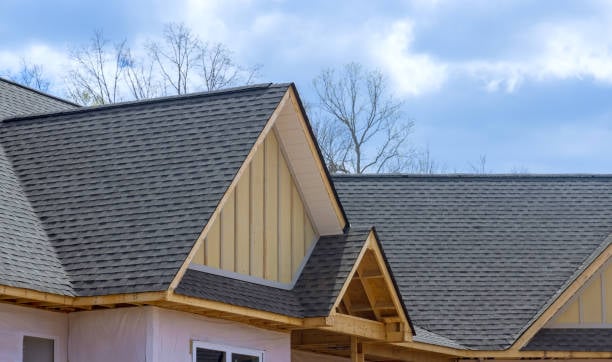
When most homeowners think about a roof, they picture shingles — color, texture, warranty, maybe even the style that looks best with their siding. But beneath those shingles lies one of the most important parts of your roof: the decking, also called Sheathing.
How to Find a Reliable Roofing Contractor in Davenport: Essential Guide
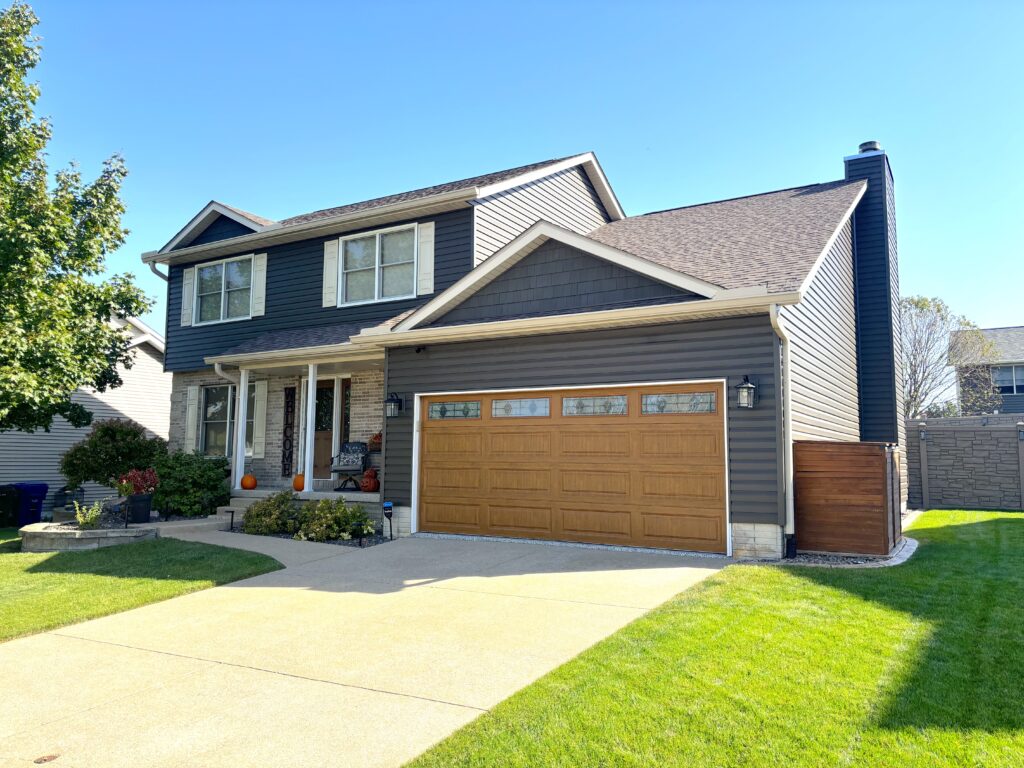
When most homeowners think about a roof, they picture shingles — color, texture, warranty, maybe even the style that looks best with their siding. But beneath those shingles lies one of the most important parts of your roof: the decking, also called Sheathing.
Complete Guide to Roofing Services in Davenport: What Homeowners Need to Know
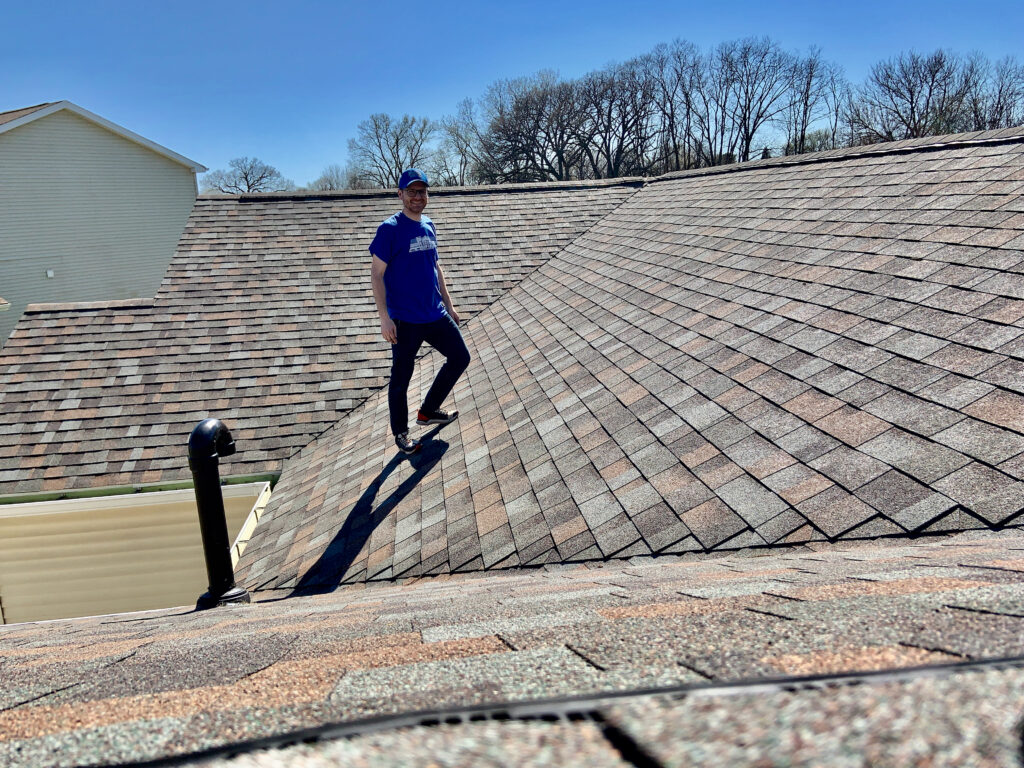
Your roof protects your home, your family, and your energy bills. This guide gives homeowners straightforward, practical roofing Davenport information. Whether you’re dealing with leaks, storm damage, or an aging roof, the process can feel overwhelming. We’ll walk through the essentials — repair vs. replacement, materials that hold up here, the cost factors to watch, and local rules — so you can make clear, confident decisions. Common Roofing Services Offered in Davenport Local roofers generally provide three core services that keep homes weather-tight and lasting longer: repairs, full replacements, and regular maintenance. Each service targets different needs — from patching a leak to completely reroofing a house — and a professional crew ensures the work stands up to Davenport’s seasons. Roof Repair Addresses Common Problems in Davenport Homes Repairs take care of leaks, missing or damaged shingles, and localized structural issues caused by storms, wear, or poor installation. Fixing small problems quickly prevents water intrusion, mold, and bigger bills later. Regular inspections and prompt maintenance catch trouble early and help your roof last longer. When Roof Replacement is Necessary for Davenport Properties Replacement is usually the right choice when a roof has reached the end of its useful life or damage is widespread. Signs to watch for include heavy shingle curling, multiple active leaks, and visible sagging. Most asphalt shingle roofs last about 20 to 25 years; other materials can last longer. If repair estimates approach roughly half the roof’s value, a full replacement often makes better long-term sense. For larger decisions, looking at life-cycle costs — comparing upfront price with long-term performance and maintenance — helps you choose the smarter option for your home. Roofing Materials Best Suited for Davenport’s Climate Temperature swings, wind, and precipitation all affect roof performance here. Choose materials that balance durability, energy efficiency, and budget. Proper insulation, underlayment, and skilled installation matter just as much as the shingles or panels you pick. Advantages of Asphalt Shingles in Davenport Asphalt shingles are a popular, cost-effective choice in Davenport. They’re available in many colors and styles, are straightforward to install and repair, and provide dependable protection from wind and rain. For many homeowners, they offer the best mix of price, curb appeal, and performance. Comparing Metal and Tile Roofing for Davenport Homeowners Metal roofing shines for longevity and energy savings — many metal roofs last 40–60 years and reflect heat, helping with summer cooling. Tile brings exceptional durability and a distinctive look that can boost curb appeal, but it’s heavier and may require extra structural support. Decide based on your budget, roof framing, and the aesthetic you want for your home. Roof Replacement Costs in Davenport, Iowa Replacement costs depend on material, roof size, and labor. Understanding the main cost drivers helps you budget and compare contractor bids more effectively. Factors Influencing Davenport Roof Replacement Costs Several things affect price: Material Choice: Asphalt is usually the most affordable option; metal and tile carry higher upfront costs. Roof Size: Larger roofs require more materials and labor, which increases the total. Labor Costs: Roof complexity, steep pitches, and local labor rates all influence the final bill. Budgeting for a New Roof in Davenport To plan for a roof replacement: Get Multiple Estimates: Compare detailed quotes from several reputable contractors to understand differences in scope and pricing. Plan for Unexpected Costs: Set aside a contingency for hidden damage uncovered during tear-off. Consider Financing Options: Ask contractors about payment plans or explore local financing to spread out the expense. Choosing the Best Roofing Contractor in Davenport Choosing the right contractor matters for safety, warranty protection, and long-term value. Take time to vet companies thoroughly before signing any contract. Credentials and Experience for Davenport Roofers Look for these basics: Licensing and Insurance: Verify the contractor is licensed in Iowa and carries liability and workers’ compensation insurance. Experience: Pick contractors with a solid local track record — knowledge of Davenport weather and code requirements matters. References and Reviews: Read online reviews and ask for recent references to confirm workmanship and customer service. Why Choose Peterson Roofing for Your Davenport Roofing Needs? Peterson Roofing is family-owned and operated with more than 45 years serving the Quad Cities. We build on honesty, skilled craftsmanship, and prompt, respectful service. As a BBB Accredited and Owens Corning Preferred Contractor, we stand behind our work and guide homeowners through every step — from material choices to the final inspection. Homeowners’ Guide to Storm Damage Roof Repair in Davenport Storms can cause both visible and hidden roof damage. Spotting issues early and documenting them correctly helps you get repairs done quickly and supports any insurance claims. Identifying and Addressing Storm Damage on Your Roof After severe weather, check for: Missing or Damaged Shingles: Look for cracked, curled, or missing shingles. Leaks: Water stains on ceilings or walls can indicate an active leak. Debris Accumulation: Remove branches and debris that trap moisture and accelerate damage. If you find damage, call a licensed roofing professional to assess the problem and recommend repairs — avoid climbing on a compromised roof yourself. The Role of Insurance Claims in Davenport Storm Damage Repairs Insurance often covers storm repairs. To make the claims process smoother: Document Damage: Photograph visible damage from the ground and, if it’s safe, from a ladder. Contact Your Insurance Provider: Report damage promptly to start the claim process. Work with a Contractor: A contractor can prepare repair estimates and meet with the adjuster to explain the needed work. Understanding how wind and storm damage typically appears on residential roofs makes filing claims and planning repairs easier. Local Roofing Permits and Regulations in Davenport, IA Following local permit rules keeps your project legal and safe. Before work begins, confirm which permits and inspections apply to your job. When Roofing Permits are Required in Davenport Permits are usually required for larger projects. Common cases that need a permit include: Complete Roof Replacement: Full re-roofs typically require a permit. Structural Changes: Any work that alters roof framing or structure generally
Complete Guide to Roofing in Quad Cities: What Every Homeowner Should Know
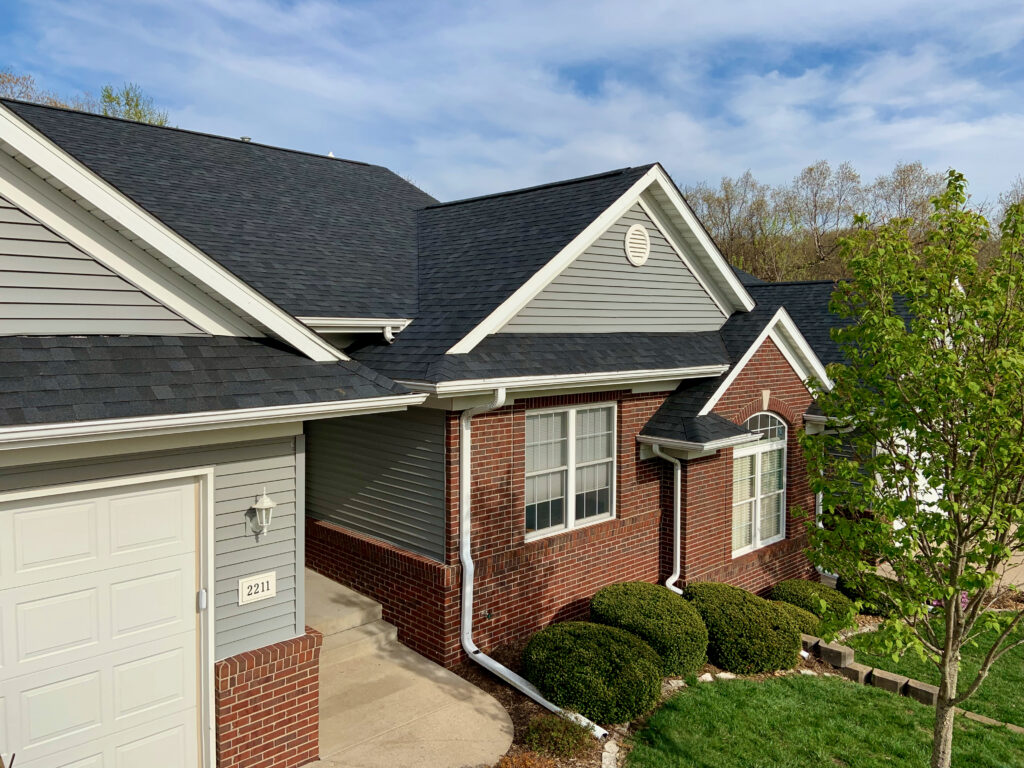
Roofing Quad Cities is critical for home maintenance, where harsh weather demands durable protection. This guide equips homeowners with essential knowledge on replacement signs, costs, material options, and contractor selection. Understanding these elements ensures informed decisions, adequate protection, and longevity for your roof, covering the replacement process and storm damage effectively. What Are the Signs You Need a New Roof in Quad Cities? Recognizing roof replacement signs is crucial for home integrity, especially in the Quad Cities where weather accelerates wear. Vigilance prevents extensive damage and costly repairs. How to Identify Roof Damage and Leaks Early Early identification of roof damage saves significant costs. Look for: Missing or Damaged Shingles: Cracked, curled, or missing shingles. Water Stains on Ceilings: Interior stains indicate potential roof leaks. Granules in Gutters: Shingle granules suggest an aging roof. Proactive attention prevents severe issues. What Is the Average Roof Lifespan for Quad Cities Homes? Roof lifespan varies by material and climate. In the Quad Cities, common materials offer these average lifespans: Material Average Lifespan Asphalt Shingles 20-30 years Metal Roofing 40-70 years EPDM Roofing 20-30 years Regular maintenance and inspections extend roof life and effectiveness. How Much Does Roof Replacement Cost in Quad Cities? Understanding roof replacement costs is essential for planning. Prices vary based on materials, roof size, and labor. What Factors Affect Roof Replacement Pricing? Key factors influencing Quad Cities roof replacement costs include: Material Choice: Asphalt shingles are generally more affordable than metal roofing. Roof Size and Pitch: Larger or steeper roofs require more materials and labor. Labor Costs: Local labor rates impact total installation cost. Consider these factors for financial preparation. Which Roofing Materials Are Best for Quad Cities Homes? Selecting the right roofing material is crucial for durability and performance in the Quad Cities’ climate. Homeowners should understand their options, each with unique benefits and drawbacks. What Are the Benefits of Asphalt Shingles and Owens Corning Products? Asphalt shingles are popular for their affordability and easy installation. Benefits include: Cost-Effectiveness: Generally less expensive. Variety of Styles: Customizable colors and styles. Durability: Quality products, like Owens Corning, offer warranties and proven performance. Owens Corning products are known for energy efficiency and long-lasting durability. How Do Metal and EPDM Roofs Compare for Quad Cities Weather? Metal and EPDM roofs are excellent for the Quad Cities, each with distinct advantages: Metal Roofing: Offers longevity (up to 70 years), severe weather resistance, and heat reflection for energy savings. EPDM Roofing: A durable rubber material, resistant to UV and extreme temperatures, ideal for flat/low-slope roofs, lasting 20-30 years. Both provide excellent protection against local climate elements. How Does the Roof Replacement Process Work in Quad Cities? Understanding the roof replacement process helps homeowners prepare for key stages, from initial inspections to final cleanup. What Permits and Local Regulations Should Homeowners Know? Before roof replacement, homeowners must know Quad Cities’ local regulations and permits: Building Permits: Required by most municipalities for code compliance. Inspections: Mandated in some areas during and after installation to verify safety standards. Familiarity avoids delays and ensures a smooth process. What Are the Key Stages of Installation and Cleanup? The roof replacement process includes these key stages: Preparation: Removal of old roofing and deck preparation. Installation: New materials installed per manufacturer specifications. Cleanup: Post-installation debris removal and site tidying. Understanding these stages builds homeowner confidence. How Can You Repair Storm Damage on Your Quad Cities Roof? Storm damage poses significant risks to roof integrity. Identifying and addressing these issues is essential for Quad Cities homeowners. What Are Common Storm Damage Signs Like Hail and Wind Effects? After a storm, inspect your roof for damage signs: Dents or Dings: Hail damage to metal or shingles. Missing Shingles: High winds can expose the roof to leaks. Debris Accumulation: Branches or debris causing punctures or blocked drainage. Early identification mitigates further damage. How to Navigate Insurance Claims and Emergency Repairs? If storm damage occurs, take these steps: Document the Damage: Photograph and note visible damage for insurance. Contact Your Insurance Provider: Report damage and inquire about coverage. Seek Emergency Repairs: For immediate risks, contact a qualified contractor to prevent further issues. These steps ensure necessary support and repairs post-storm. What Certifications and Local Reputation Should You Look For? When evaluating contractors, look for: Certifications: Relevant certifications, like Owens Corning Preferred Contractor, indicate quality. Local Reputation: Research reviews and testimonials for reliability and workmanship. A contractor with a solid reputation and proper certifications ensures a satisfactory roofing experience. Which Questions Should You Ask Your Roofing Contractor? Before hiring, ask your contractor: What is your Quad Cities roofing experience? Can you provide client references? What warranties do you offer on materials and workmanship? These questions help assess qualifications and ensure an informed decision. Ready for a Durable Roof in Quad Cities? Don’t wait for minor issues to become major problems. Whether you need a new roof, storm damage repair, or just a professional inspection, our experts in roofing Quad Cities are here to help. Ensure your home’s protection and longevity with quality materials and trusted craftsmanship. Contact us today for a free consultation and secure your peace of mind!
How to Tell When Your Roof Needs Replacement: 10 Warning Signs Homeowners Should Never Ignore
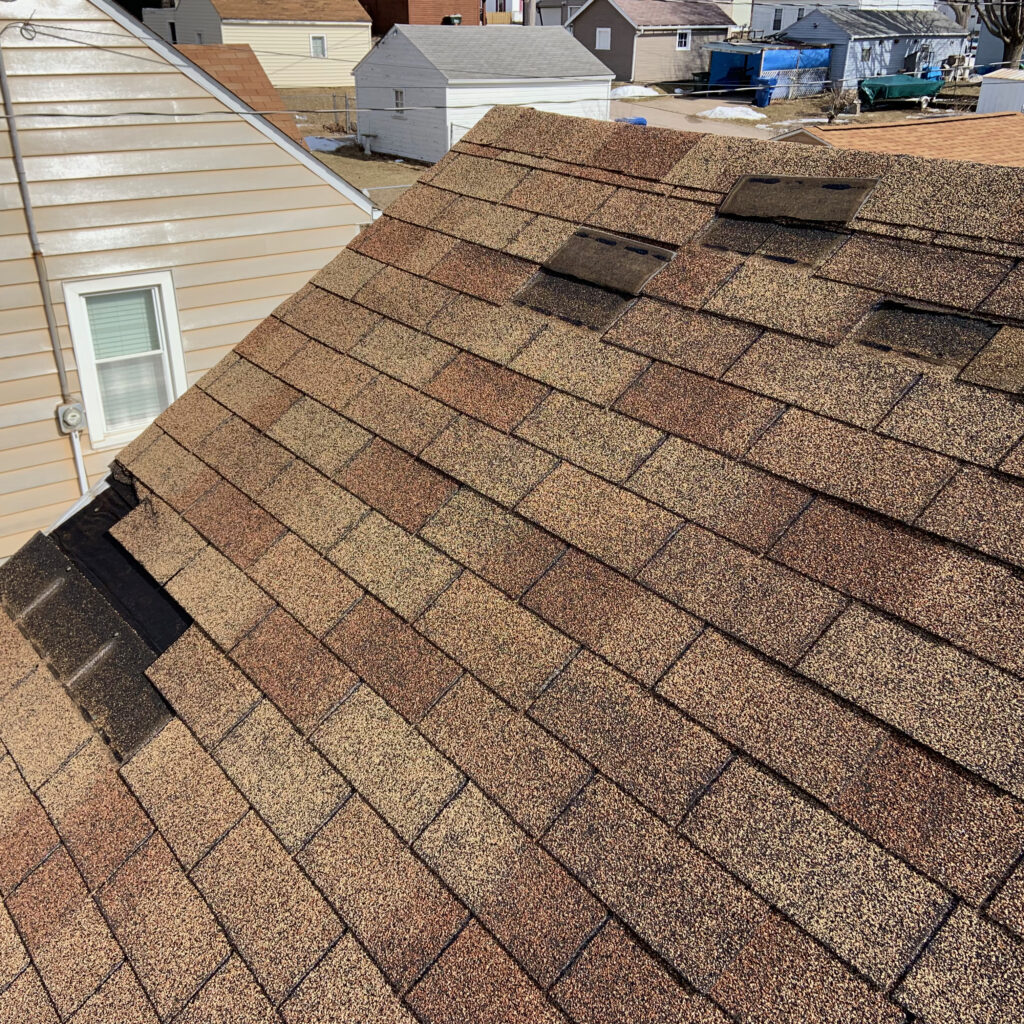
Maintaining a safe and secure home starts with a solid roof over your head. Recognizing when your roof needs replacement is crucial to prevent costly repairs and ensure the safety of your family. Understanding these signs can save you from potential hazards and financial burdens associated with roof failure. This article will guide you through ten warning signs that indicate your roof may need to be replaced, helping you make informed decisions on when to call an expert in roofing Bettendorf. What Is the Typical Lifespan of Different Roofing Materials? The lifespan of roofing materials varies significantly, impacting when homeowners should consider replacement. Understanding these differences can help you plan for future maintenance and replacement needs. How Long Do Asphalt, Metal, and Tile Roofs Last? Asphalt shingles typically last 20 to 30 years, depending on the quality and installation. Metal roofs can endure for 40 to 70 years, making them a durable option. Tile roofs, known for their longevity, can last 50 to 100 years with proper maintenance. Each material has its unique benefits and drawbacks, influencing homeowners’ choices based on budget and aesthetic preferences. When Should You Consider Replacing Your Roof Based on Age? Age is a critical factor in determining roof replacement. If your asphalt roof is nearing the 20 to 25-year mark, it may be time to consider replacement, especially if you notice other warning signs. Metal roofs should be evaluated around the 50 to 70-year mark, while tile roofs can often last longer but should still be inspected regularly. Climate and weather conditions also play a significant role in the longevity of roofing materials. Which Visual Signs Indicate Your Roof Needs Replacement? Visual indicators are often the first signs that homeowners notice when assessing roof health. Recognizing these signs can help you take timely action. What Do Curling, Cracked, or Missing Shingles Mean? Curling, cracked, or missing shingles are clear indicators of roof damage. Curling shingles may suggest that the roof is nearing the end of its lifespan, while cracked shingles can lead to leaks and further deterioration. Missing shingles expose the underlying structure to the elements, increasing the risk of water damage and mold growth. Why Are Granules in Gutters a Warning Sign? Finding granules in your gutters is a significant warning sign that your shingles are deteriorating. Granules protect shingles from UV rays and weather damage. Excessive granule loss indicates that your roof may be failing, necessitating immediate inspection and potential replacement. What Do Water Stains or Leaks Inside Your Home Indicate? Water stains on ceilings or walls are often the first signs of a roof leak. These stains indicate that water is penetrating the roof and can lead to significant structural damage if not addressed promptly. Homeowners should investigate the source of the leak and consider roof replacement if the damage is extensive. Why Is Daylight Visible in the Attic a Concern? If you can see daylight peeking through your roof in the attic, it is a serious concern. This visibility indicates gaps or holes in the roofing material, which can lead to water intrusion and pest infestations. Addressing this issue quickly is essential to prevent further damage. What Structural and Environmental Signs Suggest Roof Replacement? Structural integrity is vital for a safe roof. Homeowners should be aware of signs that indicate potential structural issues. What Causes a Sagging Roof Deck and Why Is It Dangerous? A sagging roof deck is a significant warning sign that should not be ignored. It often indicates that the roof is overloaded or that there is a structural failure. This condition can lead to catastrophic roof collapse if not addressed, making it imperative to consult a roofing professional immediately. How Do Moss, Algae, or Fungus Growth Affect Your Roof? Moss, algae, and fungus growth can trap moisture against the roof surface, leading to deterioration and potential leaks. While some growth may be cosmetic, extensive infestations can compromise the roof’s integrity. Regular cleaning and maintenance can help prevent these issues. How Do Energy Bills and Neighborhood Trends Signal Roof Issues? Rising energy bills and neighborhood trends can also indicate that your roof may need replacement. Homeowners should pay attention to these factors. Why Can High Energy Bills Mean Your Roof Is Failing? High energy bills can signal that your roof is not providing adequate insulation. If your roof is failing, it may allow heat to escape in the winter and enter in the summer, leading to increased energy costs. Evaluating your roof’s condition can help identify potential issues affecting your home’s energy efficiency. What Does It Mean When Neighbors Are Replacing Their Roofs? If you notice that several neighbors are replacing their roofs, it may indicate that your area has experienced severe weather or that the roofing materials used in your neighborhood have a shorter lifespan. This trend can be a sign that you should evaluate your roof’s condition and consider replacement. What Steps Should Homeowners Take After Spotting Warning Signs? Upon noticing any of the warning signs discussed, homeowners should take immediate action to address potential roof issues. How Can Peterson Roofing Help With Free Roof Inspections and Estimates? Peterson Roofing offers free roof inspections and estimates to help homeowners assess their roofing needs. With over 45 years of experience serving the Quad Cities, our family-owned business specializes in providing honest assessments and quality craftsmanship. If you notice any warning signs, contact us to schedule your free inspection and ensure your roof remains in optimal condition. Roofing Material Lifespan Replacement Cost Asphalt Shingles 20-30 years $3,000 – $10,000 Metal Roofing 40-70 years $5,000 – $15,000 Tile Roofing 50-100 years $10,000 – $30,000 Understanding the lifespan and costs associated with different roofing materials can help homeowners make informed decisions about their roofing needs. Regular inspections and maintenance can extend the life of your roof and prevent costly replacements. Homeowners should remain vigilant for the warning signs of roof damage. By understanding the typical lifespan of roofing materials, recognizing visual and interior signs of damage, and being aware of